Hawaii's restricted license requires a court hearing, mandatory ignition interlock for alcohol suspensions, and county-level processing that varies by island. Most applicants miss the court petition timeline.
Hawaii Issues Restricted Licenses Through District Courts, Not Administrative DMV Hearings
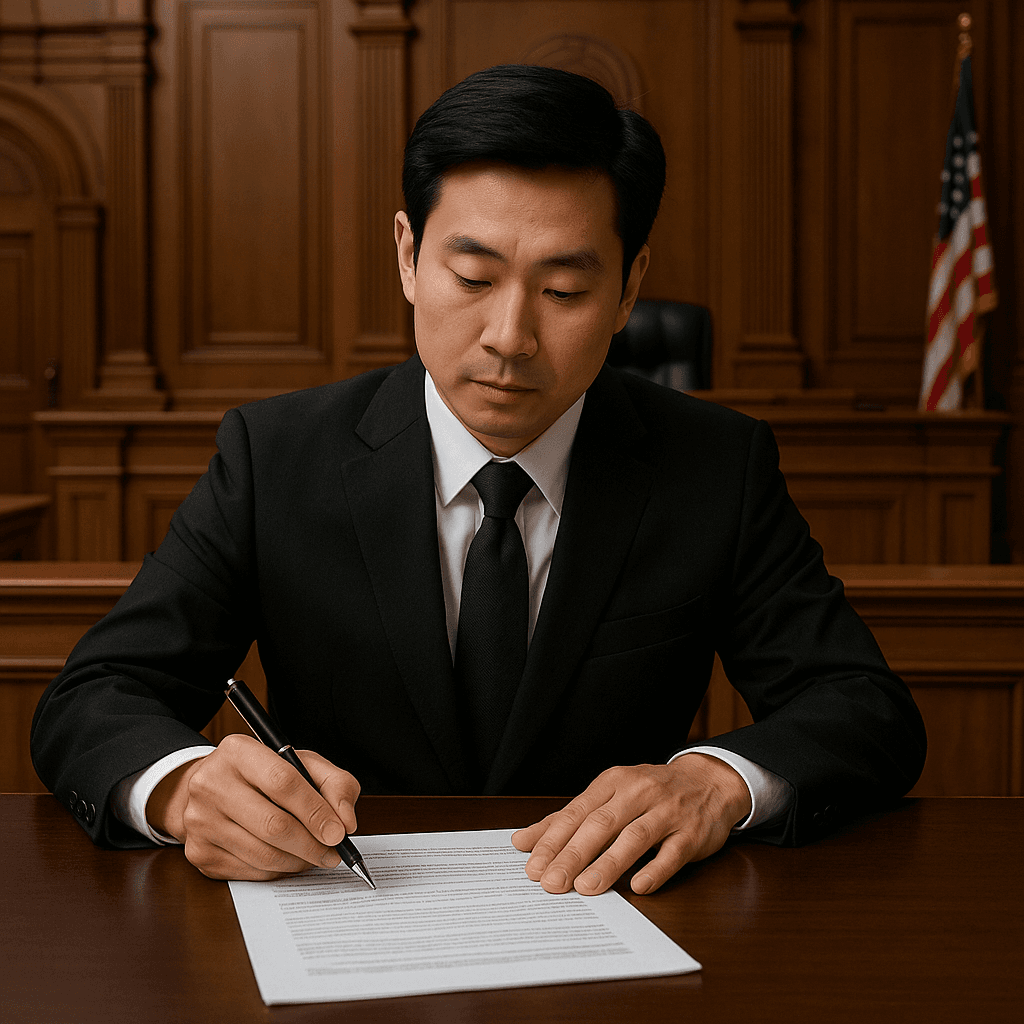
Hawaii's restricted license program runs through the district court system, not through a DMV administrative process. You file a petition with the district court in your county of residence, not with a state licensing office. The judge evaluates your petition and sets the terms: approved routes, permitted hours, and conditions. Administrative staff at the DMV cannot approve or deny restricted driving privileges.
This matters because county-level court systems operate independently across Hawaii's four counties—Honolulu, Maui, Hawaii County, and Kauai. Processing timelines, required documentation formats, and judicial discretion vary between them. A petition filed in Honolulu City and County follows different procedures than one filed in Kauai County. Mainland applicants accustomed to a single statewide DMV timeline will face delays if they prepare paperwork assuming uniform state processing.
Hawaii Revised Statutes Chapter 286 governs driver licensing authority, but restricted license petitions fall under court jurisdiction. The county licensing office executes the court's order once approved—they do not evaluate eligibility themselves. Expect a court hearing date 30 to 45 days after filing, depending on county docket load. Judges require you to demonstrate specific, documented need: employment verification on employer letterhead with supervisor contact information, medical appointment records with provider name and address, or school enrollment confirmation with class schedule.
Ignition Interlock Is Mandatory for Alcohol-Related Suspensions Under HRS §291E-41
If your suspension stems from DUI, refusal to submit to chemical testing, or any alcohol-related Administrative Driver's License Revocation Office (ADLRO) proceeding, Hawaii law mandates ignition interlock as a condition of any restricted license. This is not judicial discretion. HRS §291E-41 makes IID installation a statutory requirement before the court will issue restricted driving privileges during an alcohol-related suspension period.
You must install the device with a state-approved vendor before the court hearing. Bring the installation receipt and monthly monitoring agreement to your petition hearing. Judges will not approve restricted privileges without proof of active IID enrollment. Device rental costs $70 to $90 per month; installation fees run $100 to $150. Budget for the full suspension period—if your DUI revocation runs three years, expect $2,520 to $3,240 in total IID costs before adding insurance or filing fees.
Points-based suspensions and uninsured driver suspensions do not trigger the IID mandate. The statute applies exclusively to alcohol-related causes. If your suspension resulted from accumulating traffic convictions without alcohol involvement, the court will not require interlock installation. Confirm your suspension cause with the county licensing office before paying installation fees.
Compare car insurance rates in your state
Get quotes from licensed carriers — no obligation, no spam, results in minutes.
Get Your Free Quote✓ No Obligation Required✓ Licensed Carriers Only✓ Available Nationwide✓ Free to Compare
Eligibility Varies by Suspension Cause: DUI and Points Qualify, Uninsured Does Not
Hawaii's restricted license program is open to DUI suspensions and points-based suspensions. Uninsured driver suspensions under HRS Chapter 287 are explicitly excluded. If your suspension resulted from driving without valid liability and personal injury protection coverage, the court cannot grant restricted privileges. Your only path forward is full reinstatement: pay the $30 base reinstatement fee, file SR-22 proof of insurance with your county licensing office, and clear any outstanding fees or fines tied to the lapse.
DUI suspensions qualify after the hard suspension period expires. ADLRO administrative revocations carry mandatory minimums before restricted privileges become available—typically 30 days for a first-offense administrative revocation, longer for repeat offenses or refusal cases. The court will not issue restricted driving privileges during the hard period. Points-based suspensions under HRS §286-111 qualify immediately once the suspension takes effect, provided you can demonstrate employment, medical, or educational need.
Unpaid traffic fines and failure-to-appear warrants complicate eligibility. Judges require proof that all outstanding court obligations are satisfied or under active payment plan before considering a restricted license petition. If your suspension resulted from unpaid tickets, resolve the underlying debt before filing your petition. Most Hawaii district courts allow payment plans through their clerk's office—confirm the plan is active and bring payment receipts to your hearing.
Court-Defined Restrictions Limit Where and When You Drive
The judge sets your route and time restrictions at the hearing. These are not standard statewide parameters—every restricted license reflects the specific circumstances you documented in your petition. If you listed your job address as 1234 Main Street and your home address as 5678 King Street, the court order will specify those two locations. Deviating from the approved route violates the restriction and triggers immediate revocation.
Typical approved purposes: direct travel between home and work, home and medical appointments, home and school, home and required court or probation meetings. Judges rarely approve stops for groceries, childcare, or errands unless you present employer verification that errands are part of your job duties (for example, delivery drivers or home healthcare workers). Time restrictions mirror your documented schedule. If your employer letter states you work Monday through Friday 8:00 AM to 5:00 PM, the court order will restrict driving to those days and hours.
Island geography implicitly bounds your route. Inter-island travel by car is impossible—restricted license routes apply only to your island of residence. If you live on Oahu and work in Honolulu, your restriction covers Oahu roads only. If you need to travel to another island for medical treatment, petition the court for a temporary route amendment before the trip. Driving off-island without court approval violates the restriction even if the purpose would otherwise qualify.
Required Documentation: Employment Verification, SR-22 Filing, and Court Petition Forms
Your petition must include proof of need on official letterhead. Employer verification requires: company name, your job title, work address, supervisor name and direct phone number, your shift schedule, and a statement that restricted driving is necessary to maintain employment. Medical need requires appointment records showing provider name, clinic address, appointment frequency, and the nature of the condition requiring regular treatment. School enrollment requires a registrar-issued letter confirming current enrollment, class schedule, and campus address.
SR-22 proof of insurance is required for alcohol-related suspensions and most points-based suspensions. The filing must be active before the court hearing. Contact your insurance carrier or a high-risk broker; they file SR-22 electronically with the Hawaii Department of Transportation. The filing fee is typically $25 to $50; your premium will increase $40 to $120 per month depending on your violation history. The SR-22 must remain active for the full duration the court specifies—usually the remaining suspension period.
Court petition forms vary by county. Honolulu City and County uses form TR-300; Maui County and Hawaii County use different local forms available at the district court clerk's office. Kauai County requires you to draft a petition on pleading paper following local court rules. Do not assume forms from one county work in another. Call the district court clerk in your county before filing to confirm current forms and filing fees.
Processing Timeline and Fees: 30 to 45 Days from Petition to Hearing
File your petition with the district court clerk as soon as your suspension notice arrives. Court dockets run 30 to 45 days out in most counties; earlier filing means earlier hearing dates. Honolulu City and County typically schedules hearings within 35 days. Neighbor island courts may run longer during summer months when visitor-related cases load the docket.
Filing fees vary by county but typically fall between $50 and $100. Honolulu charges $65 for restricted license petitions; Maui County charges $75. Confirm current fees with the clerk when you file. If the court grants your petition, expect an additional $30 base reinstatement fee at the county licensing office when you pick up your restricted license. Total upfront cost before insurance: $80 to $130 in court and DMV fees, plus IID installation if required.
If the judge denies your petition, you may refile after addressing the deficiencies noted in the denial order. Most denials result from insufficient documentation—vague employer letters, missing appointment records, or outdated proof of insurance. Refile as soon as you correct the gaps. A second filing requires another court fee and resets the 30-to-45-day hearing timeline.
Insurance Requirements: SR-22 Duration, Non-Owner Options, Premium Impact
SR-22 filing duration depends on your suspension cause. DUI-related suspensions typically require three years of continuous SR-22 coverage measured from the date the filing is first submitted, not from the date the suspension ends. If your revocation runs two years and the court grants restricted privileges after six months, you still owe three full years of SR-22 from the initial filing date. Points-based suspensions usually require one to three years depending on the violation count.
If you do not own a vehicle, non-owner SR-22 insurance satisfies Hawaii's proof-of-insurance requirement. Non-owner policies provide liability coverage when you drive a vehicle you do not own—for example, a borrowed car or a rental. Premiums run $30 to $60 per month for minimum liability limits. Add the SR-22 filing fee and your total monthly cost for non-owner coverage is $35 to $70.
Premium increases vary by carrier and violation severity. DUI convictions typically increase premiums 60% to 120% for the first three years. Points-based suspensions increase premiums 20% to 50%. Shop quotes from carriers writing high-risk policies in Hawaii: GEICO, Progressive, and National General all write SR-22 and after-DUI coverage statewide. State Farm writes SR-22 but does not offer non-owner policies in Hawaii. Estimates based on available industry data; individual rates vary by driving history, vehicle, and coverage selections.