Most cost calculators miss the compounding structure. Application fees trigger IID rental, which triggers SR-22 filing, which triggers premium surcharges—each phase stacks on the last, and missing one payment resets the entire clock.
The Four-Layer Cost Structure Most Calculators Don't Show
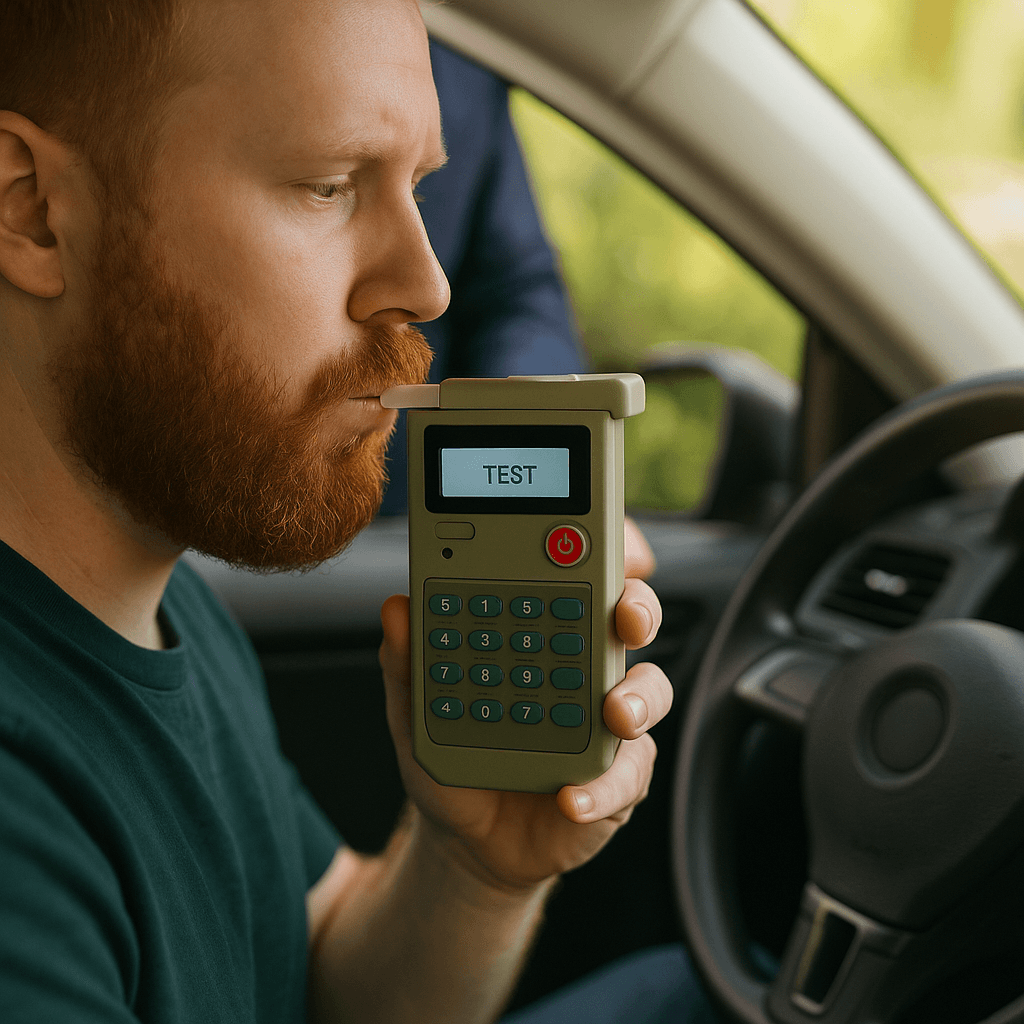
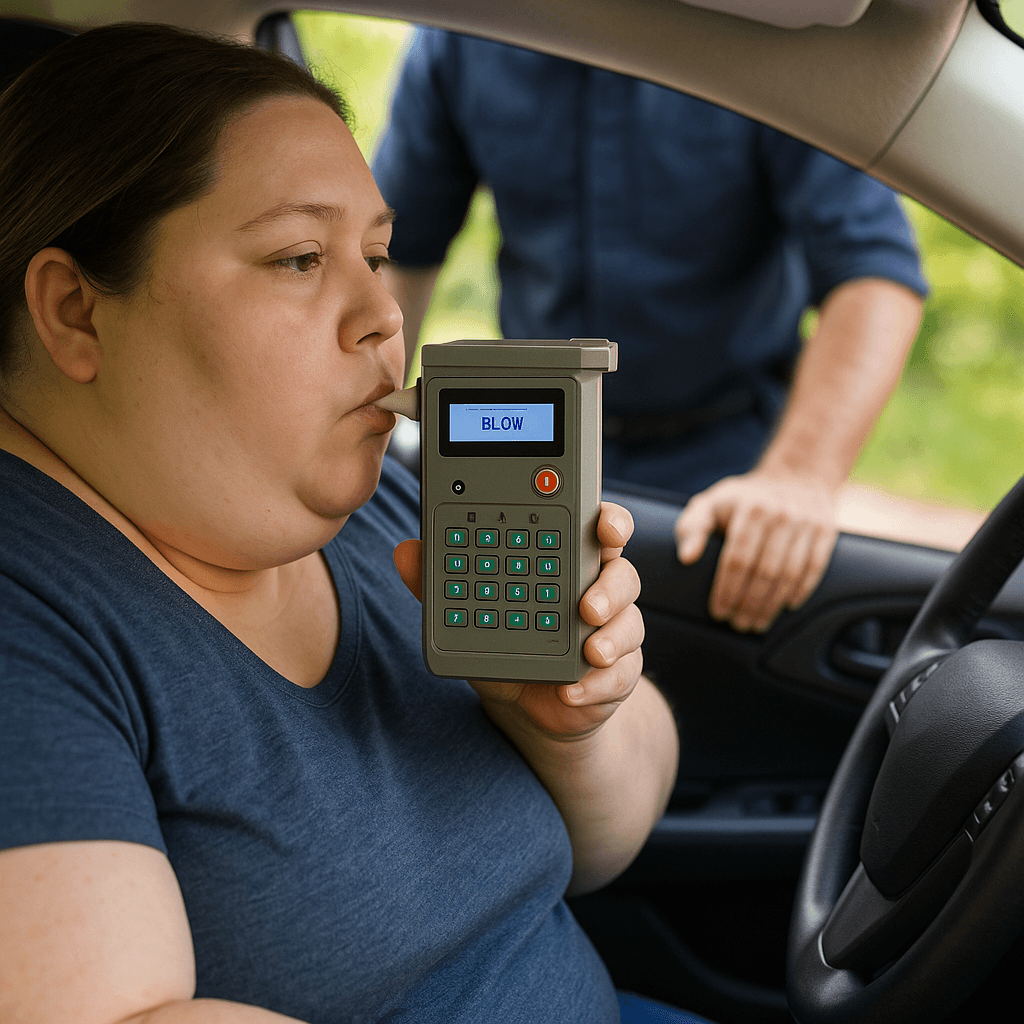
You pay four separate bills to drive on a hardship license, and three of them recur monthly. The application fee hits once—typically $50–$150 depending on your state. The ignition interlock device (IID) rental starts the day installation happens and runs $70–$150 per month for the entire restriction period. SR-22 filing costs $15–$50 upfront, then renews annually at the same rate. Your insurance premium increases 50%–300% the month SR-22 attaches, and that elevated rate persists for the full three-year filing period in most DUI cases.
Most first-time applicants budget only for the application fee and the first month of IID rental. They discover the compounding monthly structure when the second IID invoice arrives, the SR-22 annual renewal hits 12 months later, and the elevated premium persists into year two. A Texas occupational license granted after DUI costs approximately $150 application, $100/month IID for 12 months, $25 annual SR-22 filing, and a $180/month premium increase—$3,585 total over the first year, not the $150 most drivers plan for.
The failure mode: missing a single IID payment triggers device lockout, which violates hardship terms, which revokes the license and restarts the suspension clock. You don't get partial credit for the months you paid. The cost stack must run uninterrupted from grant date through the full restriction period.
Application Fees by State and Hearing Type
Court-granted hardship licenses cost more than administrative DMV permits because filing fees compound with hearing fees. Texas charges $125 for the occupational license petition plus $30–$50 in county clerk filing fees. Georgia's limited driving permit application runs $25 at the DMV for administrative-path cases, but $200–$350 when a DUI requires superior court petition. Florida's business purposes only (BPO) license costs $60 for first-time administrative review, $150 for formal hearing cases.
States with mandatory waiting periods before hardship eligibility effectively double the cost stack. Wisconsin requires 30 days served before occupational license eligibility opens after most DUI suspensions—you pay for alternative transportation for that first month, then start the hardship cost clock. Minnesota's B-card eligibility opens at day 15 for first-offense DUI, but the $680 ignition interlock installation fee and $100 monthly rental start immediately at grant, compounding with the $50 application fee you already paid.
Processing time matters for budgeting. States issuing hardship licenses within 10 business days (Ohio, Michigan, Indiana) compress the upfront cost window—you pay application, IID installation, and SR-22 filing within the same two-week period. States with 30–45 day processing (Illinois, North Carolina, Missouri) let you stagger IID installation until approval arrives, but monthly rental starts the day the device goes in regardless of whether the license has printed.
Compare car insurance rates in your state
Get quotes from licensed carriers — no obligation, no spam, results in minutes.
Get Your Free Quote✓ No Obligation Required✓ Licensed Carriers Only✓ Available Nationwide✓ Free to Compare
Ignition Interlock Monthly Rental and Hidden Calibration Fees
IID costs split into three categories: installation ($50–$150 one-time), monthly rental ($70–$150), and calibration appointments ($10–$30 every 30–60 days). The rental invoice is automatic and non-negotiable. The calibration fee is mandatory but often omitted from cost calculators. You must bring the vehicle to the provider's shop for data download and sensor recalibration at intervals set by your state's monitoring agency—typically every 30 days for the first six months, every 60 days after that.
Most state-approved IID vendors require autopay enrollment and charge a $35–$50 late fee if the monthly rental payment fails. Three late payments or one missed calibration appointment triggers a compliance violation report to the state monitoring authority, which most states treat as immediate grounds for hardship license revocation. The missed-payment-to-revocation pathway is faster than most drivers expect—Ohio's monitoring program reports violations within 5 business days, and BMV revocation follows within 10 days of the report.
The contract term runs longer than the hardship license itself in many states. Wisconsin requires IID for 12 months after occupational license grant for first-offense OWI, but the occupational license itself may be valid for only 6–9 months depending on total suspension length. You keep paying IID rental after the hardship period ends until the underlying suspension lifts and you fully reinstate. Illinois compounds this: the BAIID device stays installed for 12 months minimum after restricted driving permit (RDP) grant, and you pay monthly rental even if the RDP itself expires before the BAIID term completes.
SR-22 or FR-44 Filing Fees and Annual Renewal Cycles
SR-22 filing costs $15–$50 depending on the carrier, paid at policy inception. The filing renews automatically with your policy, and most carriers bill the renewal fee annually—$25/year is the most common rate. Florida and Virginia DUI cases require FR-44 instead of SR-22, and filing fees run slightly higher: $20–$50 initial, $30–$50 annual renewal.
The filing period starts the day your policy binds, not the day the hardship license prints. If you bind SR-22 coverage two weeks before your occupational license hearing to ensure continuous compliance, the three-year clock starts then. Your filing obligation outlasts the hardship license itself in most cases—Texas occupational licenses typically grant for 12 months of restricted driving, but SR-22 runs for two years from the date of DUI conviction, which may extend 8–16 months past the date your occupational license expires and you reinstate fully.
Missing the SR-22 renewal triggers automatic suspension in most states. The insurance company notifies the state within 10 days of policy cancellation or lapse. The state suspends your license—hardship or full—within 30 days of the lapse notice. There is no grace period in Ohio, Michigan, Indiana, Texas, or Florida. You cannot reinstate until you refile SR-22, pay a reinstatement fee (typically $50–$125), and serve any additional suspension days the lapse triggered.
Premium Surcharge Duration and the Three-Year Tail
SR-22 filing itself costs $25. The premium increase it triggers costs $1,200–$3,600 over three years. Carriers classify SR-22-required drivers as high-risk and apply surcharge multipliers to the base liability premium. A driver paying $85/month for minimum liability pre-suspension typically pays $180–$240/month once SR-22 attaches.
The surcharge persists for the entire three-year filing period in DUI cases, regardless of how long the hardship license itself lasts. Georgia grants limited driving permits for 12 months maximum, but SR-22 runs for three years from DUI conviction date—you pay elevated premiums for two years after the hardship period ends and you fully reinstate. Non-owner SR-22 policies cost less than standard SR-22 ($40–$90/month is the typical range), but the rate still reflects high-risk classification and stays elevated for the full filing term.
Switching carriers mid-filing period does not reset the surcharge. The new carrier sees the SR-22 requirement in your MVR and applies its own high-risk multiplier. Shopping annually can reduce the monthly premium—progressive rate increases often exceed competitive new-customer rates—but no carrier will offer clean-record pricing while SR-22 is active. The only exit is completing the full filing term without violations, at which point the SR-22 cancels and you can request standard-rate quotes.
Total Cost Examples for Common Suspension Triggers
A first-offense DUI in Texas with 12-month occupational license and two-year SR-22 term costs approximately: $150 application, $680 IID installation, $100/month IID rental for 12 months ($1,200 total), $25 SR-22 filing initial and annual renewal ($50 total), and $95/month premium increase over baseline for 24 months ($2,280 total)—$4,360 combined over two years. This assumes no missed payments and no calibration violations.
An insurance lapse suspension in Florida with six-month BPO license (no IID required for lapse-cause) and one-year SR-22 term costs: $60 application, $25 SR-22 filing, and $70/month premium increase for 12 months ($840 total)—$925 combined. Lapse-cause hardship is materially cheaper because IID is not required, cutting the largest monthly recurring cost.
A points-accumulation suspension in Ohio with one-year occupational privileges and no SR-22 requirement (Ohio does not require SR-22 for points-only suspensions) costs: $50 application fee, no IID, no SR-22 filing, and no premium surcharge beyond standard high-points rating adjustment—under $100 total if no additional violations occur during the restricted period. The cost delta between violation types is wider than most drivers expect.
Payment Failure Modes and Reinstatement Reset Costs
Missing a single IID rental payment locks the device after the grace period expires—typically 5–7 days past due date. A locked device prevents the vehicle from starting, which prevents compliance with hardship license terms, which triggers automatic revocation in most states. Paying the past-due balance unlocks the device but does not reverse the revocation. You must reapply for hardship, pay the application fee again, and restart the restriction clock.
SR-22 lapse during hardship triggers suspension of the hardship license and the underlying full license simultaneously. You cannot drive at all—restricted or otherwise—until you refile SR-22 and pay reinstatement fees on both the hardship license ($50–$150 depending on state) and the base license ($50–$125). Texas does not allow reinstatement of an occupational license after SR-22 lapse; you must serve the remainder of the original suspension without driving privileges, then reinstate fully. The financial reset is acute: reapplication, refiling, and dual reinstatement fees compound to $200–$400 depending on state.
The compounding structure punishes payment interruptions harder than initial application denials. A denied hardship application costs you the $50–$150 application fee and nothing else. A revoked hardship license after six months of compliant payments costs you six months of IID rental already paid ($600–$900), the SR-22 filing fee already paid ($25–$50), six months of elevated premiums already paid ($300–$900), plus reapplication and reinstatement fees to restart ($200–$400)—$1,425–$2,250 sunk cost with zero credit toward future eligibility.