Application fees are just the start. Ignition interlock devices, SR-22 filings, and court costs add layers most hardship applicants don't budget for until they're already in the process.
Why the Application Fee Is Only the First Payment
The hardship license application fee ranges from $25 to $150 depending on your state, but that administrative cost represents less than 10% of what you'll actually spend. Most states require ignition interlock device installation for DUI-related suspensions, SR-22 or FR-44 insurance filings that carry separate fees, and court filing costs if your state routes hardship applications through judicial hearings rather than DMV administrative review.
Texas charges $125 for an occupational license petition, but Harris County court filing adds another $185, IID installation runs $75–$150, monthly IID monitoring costs $60–$90 per month for the entire restriction period (typically 90 days to 1 year), and SR-22 filing adds $25–$50 upfront plus 40–70% premium increases for three years. A driver budgeting only the $125 petition fee faces a total first-year cost closer to $2,800–$4,200.
Florida's Business Purpose Only license application costs $60 through the DMV, but circuit court filing in Miami-Dade adds $295, IID installation costs $70–$100, monthly monitoring runs $75–$85, and FR-44 filing (Florida's higher-limit SR-22 equivalent) adds $50 filing fees plus premium increases averaging 60–90% for three years. The $60 application fee is accurate but misleading without the full cost stack.
Georgia's Limited Driving Permit costs $25 to file, but ignition interlock installation adds $100–$125, monthly monitoring costs $70–$80, SR-22 filing adds $35, and superior court filing in Fulton County runs $215. A six-month hardship period with IID required produces a total cost of $1,200–$1,500 before premium increases.
Ignition Interlock Device Costs: Installation, Monitoring, and Removal
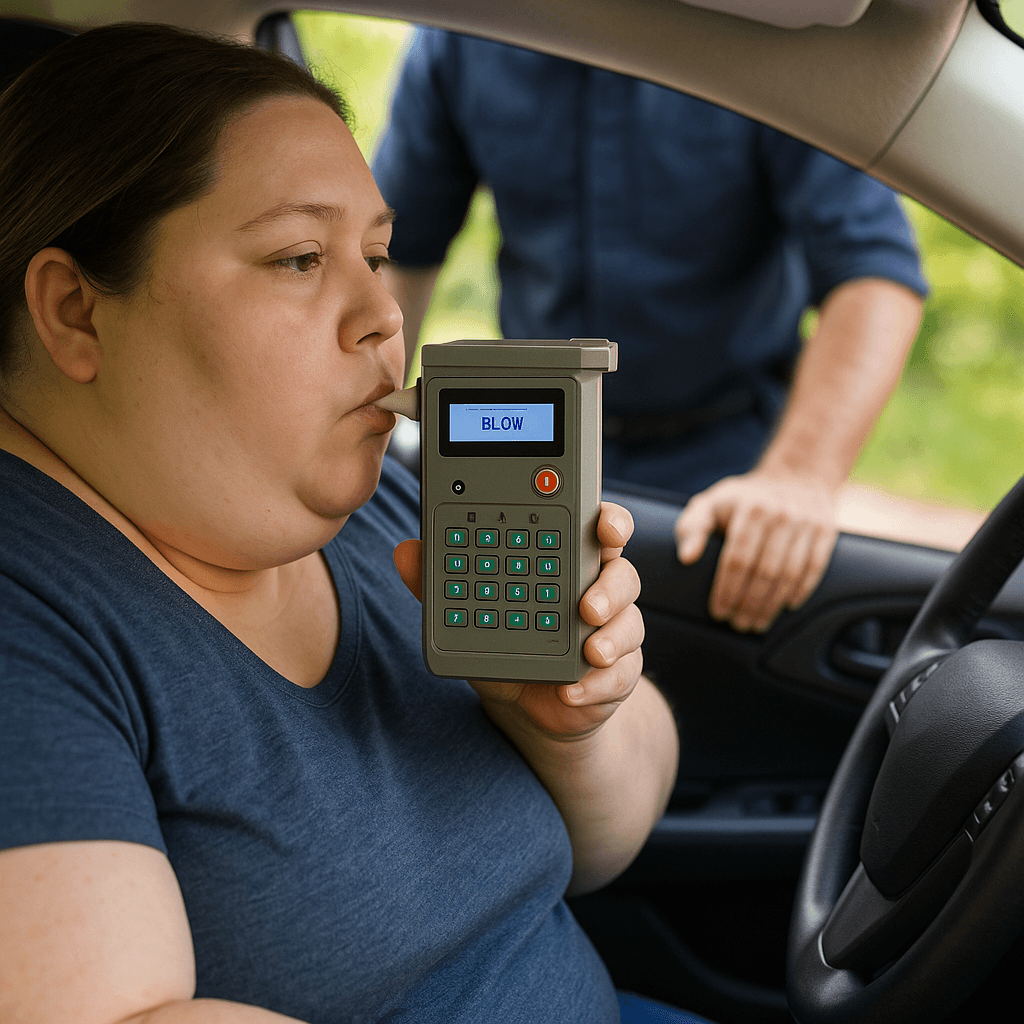
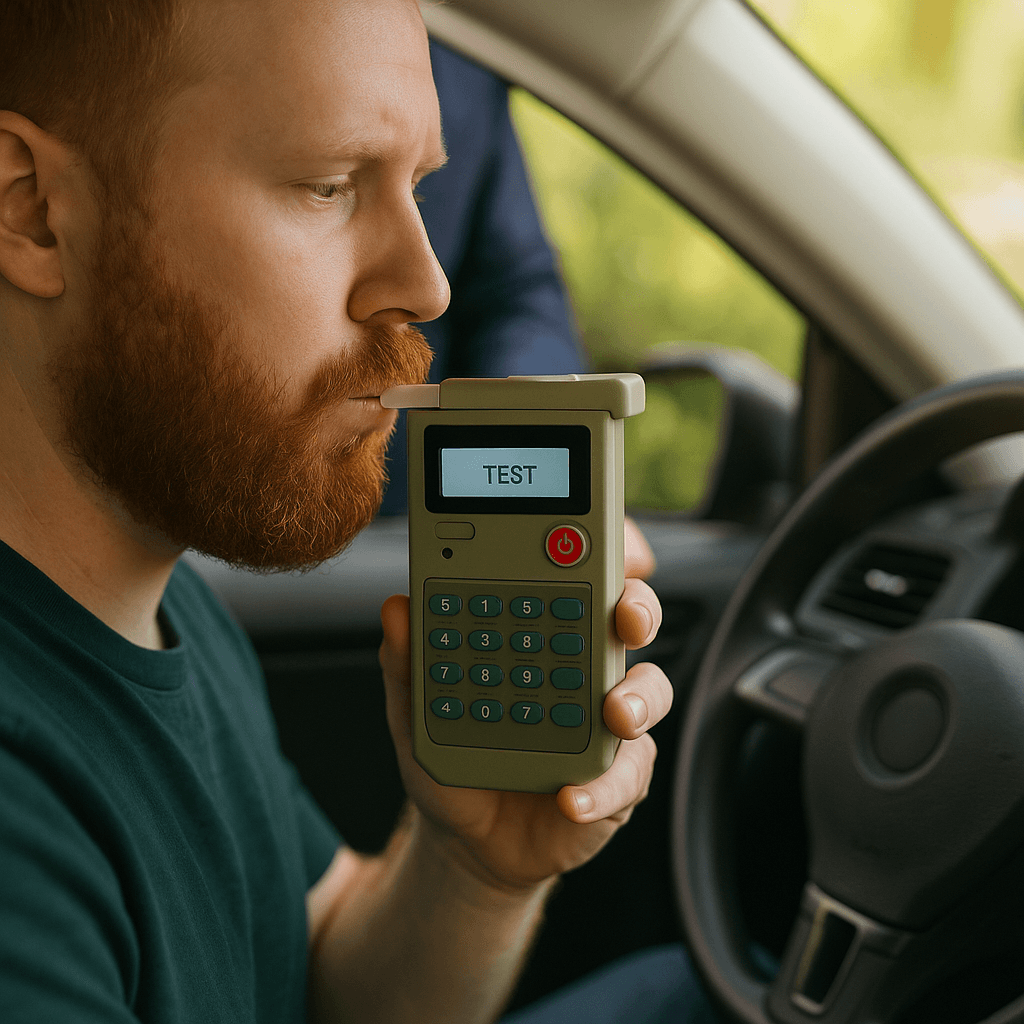
Ignition interlock devices are mandatory in most states for DUI-related hardship licenses. Installation costs $75–$150 as a one-time fee, but monthly monitoring and calibration costs $60–$90 per month represent the bulk of IID expense. Removal at the end of the restriction period costs another $50–$75.
California requires IID for all DUI-related restricted licenses and mandates a minimum 5-month installation period. At $80 installation, $75 monthly monitoring, and $50 removal, a five-month IID requirement costs $505 total. Drivers who qualify for a longer restricted license period (12 months for second DUI offenses) face $1,030 in IID costs alone.
Wisconsin requires IID for all occupational licenses following OWI convictions, with installation averaging $100, monthly monitoring $75, and a minimum 12-month period. Total IID cost for a one-year occupational license: $1,050. The state offers an indigency waiver that reduces monthly monitoring to $50 for drivers below 150% of federal poverty guidelines, but the waiver requires separate court petition and income documentation.
Illinois mandates IID for hardship licenses following DUI suspensions but allows the monitoring period to run concurrently with the suspension rather than extending it. Installation costs $125, monthly monitoring $85, removal $75. A driver granted a 12-month Monitoring Device Driving Permit faces $1,220 in IID costs.
Compare car insurance rates in your state
Get quotes from licensed carriers — no obligation, no spam, results in minutes.
Get Your Free Quote✓ No Obligation Required✓ Licensed Carriers Only✓ Available Nationwide✓ Free to Compare
SR-22 and FR-44 Filing Fees Plus Premium Impact
SR-22 and FR-44 filings are certificates filed by your insurer confirming you carry minimum liability coverage. The filing itself costs $25–$50 as a one-time fee, but the premium increase attached to high-risk classification produces the real cost. Most carriers raise premiums 40–80% for SR-22 filers, and FR-44 filers in Florida and Virginia face 60–100% increases.
Texas requires SR-22 filing for three years following DUI conviction. If your baseline premium was $110/month, SR-22 classification raises it to $180–$200/month. Over three years, the premium increase alone totals $2,520–$3,240. The $25 filing fee is negligible compared to the classification penalty.
Florida requires FR-44 for DUI-related suspensions, with higher liability minimums than SR-22: $100,000 bodily injury per person, $300,000 per accident, $50,000 property damage. The higher limits and high-risk classification combine to raise premiums 70–90% on average. A driver paying $140/month before suspension faces $240–$270/month with FR-44, a three-year cost increase of $3,600–$4,680.
Virginia requires FR-44 for DUI and habitual offender suspensions, with the same liability minimums as Florida. Non-owner FR-44 policies (for drivers without vehicles who still need to meet filing requirements) cost $40–$70/month, significantly cheaper than standard FR-44 but still a three-year commitment totaling $1,440–$2,520.
Court Filing Costs and Attorney Fees
States route hardship license applications through either DMV administrative review or court petition. Court-routed states add filing fees ranging from $75 to $350 depending on jurisdiction. Attorney representation adds another $500–$1,500 depending on case complexity and local market rates.
Texas requires occupational license petitions to be filed in the county of residence. Court filing fees vary by county: Harris County charges $185, Dallas County $205, Travis County $178, smaller counties as low as $100. Attorneys in metro areas charge $800–$1,200 for occupational license representation; rural attorneys charge $400–$700. Most drivers handle their own petitions, but judges deny petitions with incomplete route documentation or employer affidavits at high rates. Pro se filers save the attorney fee but face higher denial risk.
Georgia requires Limited Driving Permit petitions to be filed in superior court. Fulton County charges $215, DeKalb County $200, Gwinnett County $195. Attorneys charge $500–$900 for representation. Georgia judges require detailed justification for why public transportation cannot meet the driver's needs, and pro se petitions frequently fail that standard.
Florida allows Business Purpose Only applications through DMV administrative review for first-time DUI offenders, but second or subsequent offenses require circuit court petition. Court filing costs $200–$295 depending on county. Attorneys charge $600–$1,000. Administrative review through DMV costs only the $60 application fee and does not require attorney representation.
Hidden Costs: Reinstatement Fees, License Reissuance, and Program Enrollment
Hardship licenses do not waive reinstatement fees owed at the end of the suspension period. Texas charges $125 occupational license fee but also requires a separate $125 reinstatement fee when the full suspension period ends. Drivers pay twice: once to drive under restriction, once to restore unrestricted privileges.
California charges $125 for restricted license issuance, but the DMV also assesses a $55 reissuance fee when the restriction ends and the driver returns to a standard license. DUI Program enrollment (required for restricted license eligibility) costs $500–$1,800 depending on program tier. First offenders enroll in a three-month program costing $500–$650; second offenders enroll in an 18-month program costing $1,600–$1,800.
Wisconsin charges $200 for occupational license application but also requires enrollment in an Intoxicated Driver Program, costing $150–$300 depending on county. Assessment fees add another $435. At the end of the suspension period, reinstatement costs $200. Total administrative cost before IID and SR-22: $985–$1,135.
Illinois charges $50 for Monitoring Device Driving Permit application, $30 for license reissuance, and $500 reinstatement fee at the end of the suspension. Alcohol evaluation costs $100–$200, and completion of a Risk Education Program costs $250–$400. Total administrative and program costs: $930–$1,180.
How to Budget the Full Cost Stack Before You Apply
Calculate total cost by adding five categories: application or court filing, IID installation and monitoring for the full restriction period, SR-22 or FR-44 filing fee plus estimated premium increase over the filing duration, DUI program or assessment enrollment, and reinstatement fees due at the end. Use your state's actual DMV fee schedule and your county's court filing rates for accurate totals.
Texas example for 12-month occupational license following DUI: $125 occupational petition, $185 Harris County filing, $125 IID installation, $75/month monitoring for 12 months ($900), $75 IID removal, $25 SR-22 filing, $70/month premium increase for 36 months ($2,520), $125 reinstatement fee at suspension end. Total: $4,080 over three years, with $1,410 due in the first year.
Florida example for 6-month Business Purpose Only license following first DUI: $60 BPO application, $100 IID installation, $80/month monitoring for 6 months ($480), $50 IID removal, $50 FR-44 filing, $100/month premium increase for 36 months ($3,600), $75 reinstatement fee. Total: $4,415 over three years, with $740 due in the first six months.
California example for 5-month restricted license following first DUI: $125 restricted license fee, $80 IID installation, $75/month monitoring for 5 months ($375), $50 IID removal, $35 SR-22 filing, $550 three-month DUI Program, $60/month premium increase for 36 months ($2,160), $55 reissuance fee. Total: $3,490 over three years, with $1,275 due in the first five months.
Finding SR-22 or FR-44 Coverage That Fits Your Budget
Most hardship applicants discover their current carrier will not file SR-22 or FR-44, forcing them to shop mid-suspension. Non-standard carriers specialize in high-risk filings and often quote 20–40% lower premiums than standard carriers for the same coverage. Compare quotes from at least three non-standard carriers before committing.
Non-owner SR-22 policies cover drivers who do not own vehicles but still need to meet state filing requirements to qualify for hardship licenses. Monthly cost ranges from $30–$60, significantly cheaper than standard auto policies with SR-22 endorsements. Non-owner policies provide liability coverage when you drive borrowed or rented vehicles but do not cover a vehicle you own or regularly use.
SR-22 filing requirements vary by state, but most mandate three-year continuous coverage. If the policy lapses or cancels, the carrier notifies the DMV and your hardship license is revoked immediately. Budget for the full three-year commitment, not just the hardship period.
FR-44 policies in Florida and Virginia require higher liability limits than SR-22, raising premiums further. Shop carriers that specialize in FR-44 rather than asking your current carrier to add the endorsement. Specialized carriers price FR-44 risk more accurately and often beat standard-carrier quotes by 30–50%.