Most drivers budget for the hardship license application fee and miss the three-year insurance filing surcharge that follows. Here's the full cost stack before you apply.
The Three-Part Cost Structure: Application, Filing, and Premium Impact
Hardship license costs break into three categories: the state application fee (one-time), the SR-22 or FR-44 filing fee (annual), and the premium surcharge your carrier adds for high-risk classification (monthly, for the duration of the filing period). The application fee is visible—typically $50 to $150 depending on state. The filing fee and premium surcharge are not, and they persist long after your hardship license term ends.
Most hardship licenses last 6 to 18 months. Most SR-22 filing requirements last 3 years. The filing period starts when you obtain the hardship license, not when you reinstate to full privileges. If your hardship term is 12 months and your SR-22 requirement is 36 months, you pay the surcharge for all 36 months—24 of those after your hardship restrictions lift.
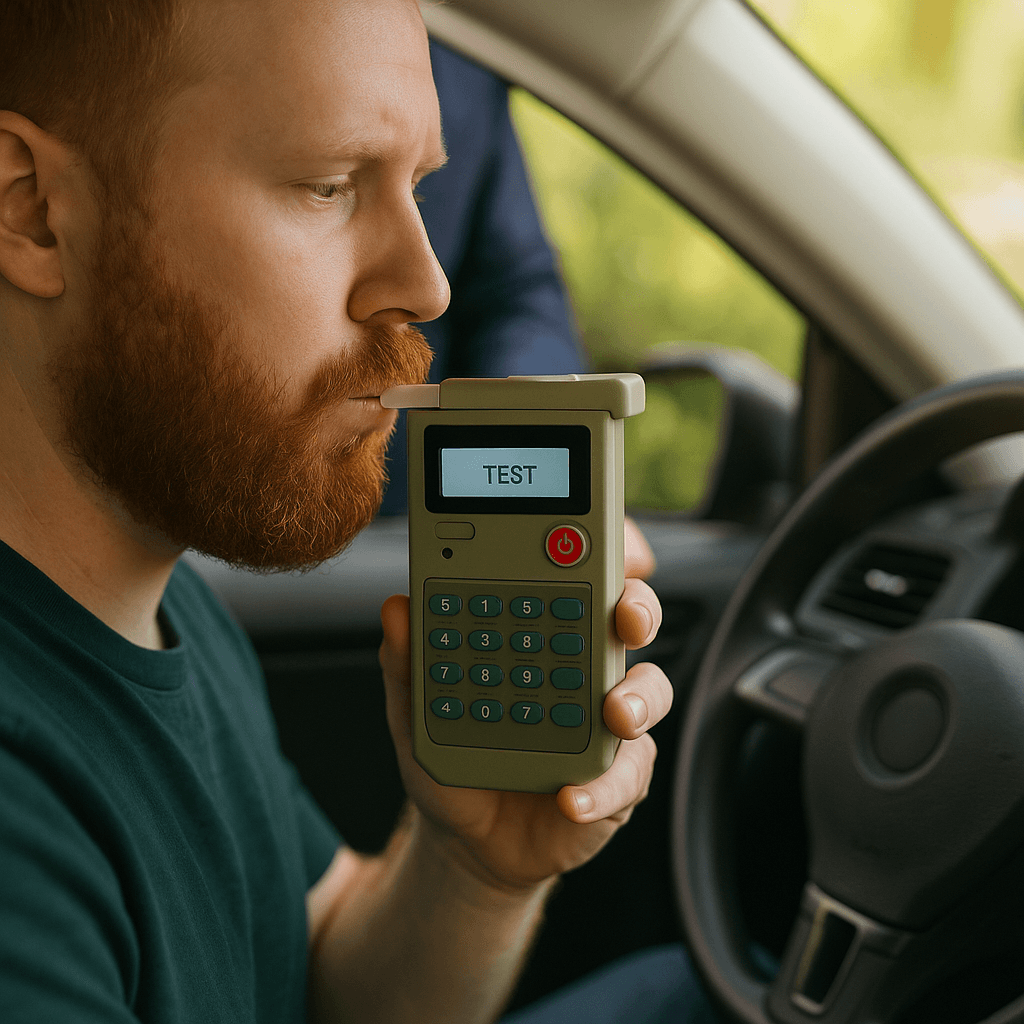
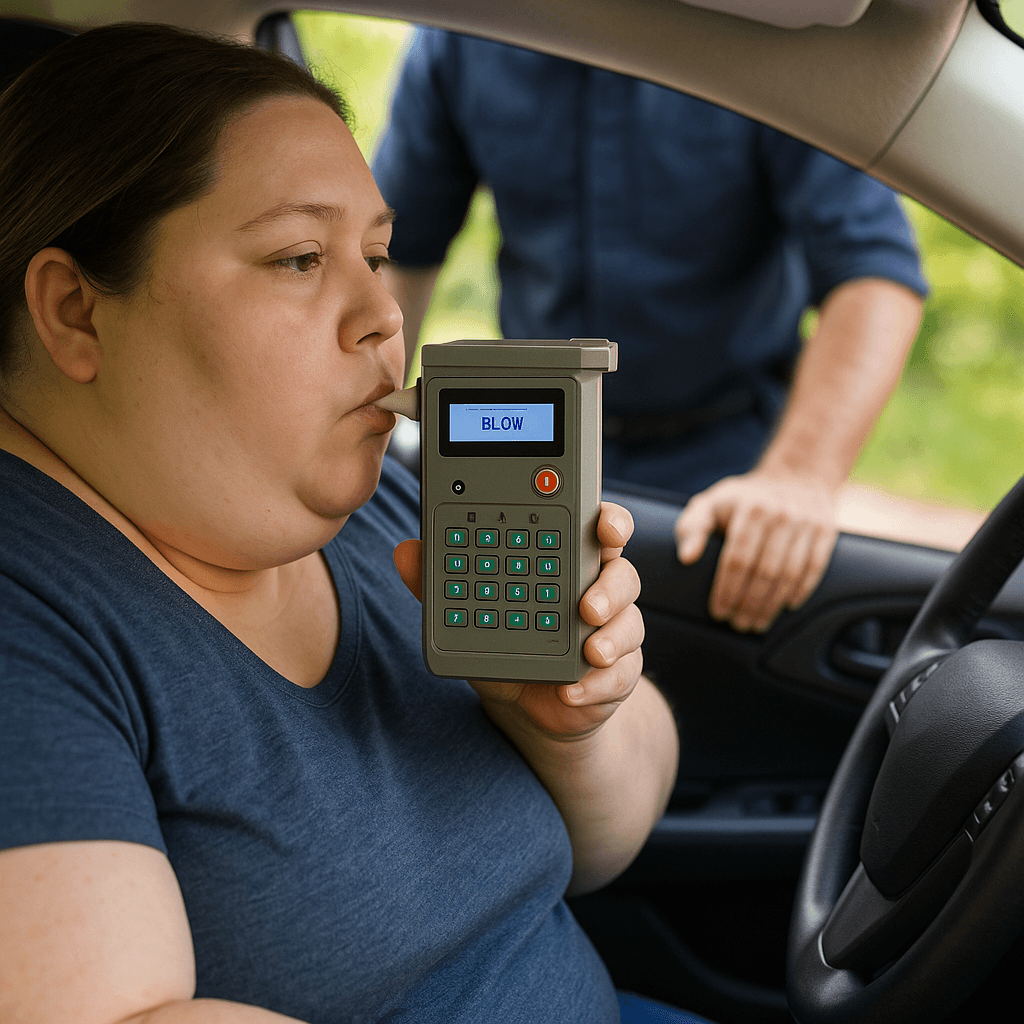
Ignition interlock device costs apply separately when your state mandates IID for your suspension cause. IID is required for DUI hardship licenses in most states, optional or unavailable for other causes. Monthly IID lease runs $70 to $150. Installation and calibration visits add $100 to $200 every 60 days. This is the largest cost component for DUI-triggered hardship licenses.
SR-22 Filing Fees: One-Time Setup and Annual Renewals
The SR-22 filing itself costs $15 to $50 depending on your carrier and state. This is a one-time fee when your carrier files the form with your state's DMV. Some carriers charge annually at renewal; others absorb renewal filing as part of your premium.
The filing fee is not the cost. The premium surcharge is the cost. High-risk classification adds 50% to 150% to your base liability premium, depending on your suspension cause and state. A driver paying $90/month for minimum liability before suspension will typically pay $140 to $190/month after SR-22 filing. That surcharge applies every month for the entire filing period—36 months in most states, 60 months in some.
Florida and Virginia require FR-44 instead of SR-22 for DUI-related suspensions. FR-44 mandates higher liability limits than SR-22: $100,000/$300,000 bodily injury instead of state minimums. The filing fee is similar ($15 to $50), but the premium surcharge is steeper because the underlying coverage is more expensive. Florida FR-44 filers typically pay $180 to $280/month for minimum compliant coverage.
Compare car insurance rates in your state
Get quotes from licensed carriers — no obligation, no spam, results in minutes.
Get Your Free Quote✓ No Obligation Required✓ Licensed Carriers Only✓ Available Nationwide✓ Free to Compare
Premium Surcharge Duration: Why Filing Period Outlasts Hardship Term
Your state sets the SR-22 filing duration by suspension cause, not by hardship license term. DUI suspensions typically trigger 3-year SR-22 requirements. Uninsured driver suspensions range from 1 to 5 years depending on state. Reckless driving suspensions vary—some states require SR-22, others do not.
The hardship license is a restricted driving privilege during suspension. The SR-22 filing is a compliance mechanism that proves you carry insurance. The two timelines do not align. If you obtain a hardship license 90 days into your suspension and your SR-22 requirement is 3 years from the conviction date, you owe SR-22 for 33 months after the hardship license is issued—even if the hardship term itself is only 12 months.
Some states measure filing duration from reinstatement date instead of conviction date. In those states, the SR-22 clock starts when you obtain the hardship license, and the filing requirement continues after you transition to full driving privileges. Verify your state's SR-22 duration measurement in your suspension notice or with your DMV directly. The difference can add 12 to 18 months of surcharge costs.
Ignition Interlock Device Costs: Lease, Installation, and Calibration
States requiring IID for hardship licenses typically mandate it for the entire hardship term plus any probationary period after full reinstatement. Total IID duration ranges from 6 months to 3 years depending on BAC level, prior offenses, and state statute.
Monthly lease costs $70 to $150. Installation runs $100 to $200 upfront. Calibration visits every 30 to 60 days cost $50 to $100 per visit. A 12-month IID requirement costs approximately $1,400 to $2,600 total, not including violation lockouts or service calls for failed starts.
Some states offer IID cost subsidies for low-income applicants. Eligibility thresholds vary—typically 200% of federal poverty level or below. Subsidies cover 50% to 100% of installation and monthly lease for approved applicants. Application processes vary by state; some require court petition, others allow direct application through the IID vendor. Your hardship license application packet will include IID vendor contact information if your state mandates the device for your suspension cause.
Total Cost Example: DUI Hardship License Over 36 Months
Assume a DUI suspension in a state requiring 12-month hardship license, 3-year SR-22 filing, and 12-month IID installation. Application fee: $100. SR-22 filing fee: $25 one-time. Premium before suspension: $90/month. Premium after SR-22 filing: $160/month. IID lease and calibration: $120/month for 12 months.
First 12 months (hardship term with IID): $160 insurance + $120 IID = $280/month = $3,360. Months 13-36 (post-hardship, SR-22 still active, no IID): $160/month = $3,840. Total incremental cost over 36 months: $7,200 plus $100 application fee = $7,300. This excludes court costs, attorney fees, DUI education programs, and any license reinstatement fees after the filing period ends.
Non-DUI hardship licenses avoid IID costs. A hardship license for unpaid traffic tickets or points accumulation typically requires SR-22 filing but no device installation. Total cost over 3 years: application fee ($100) plus premium surcharge ($70/month over baseline for 36 months = $2,520) = approximately $2,620 incremental cost. The suspension cause determines whether IID applies, which doubles or triples the total cost burden.
How to Find Coverage That Meets Filing Requirements
Not all carriers file SR-22 or FR-44. National carriers like State Farm, GEICO, and Progressive offer SR-22 filing in most states, but acceptance varies by your driving record and suspension cause. Non-standard carriers specialize in high-risk drivers and hardship license applicants—Bristol West, The General, Acceptance Insurance, and state-specific assigned risk pools.
Non-owner SR-22 policies cover drivers without vehicles. Monthly premiums run $40 to $80 for minimum liability limits plus SR-22 filing. This option works for drivers relying on borrowed vehicles, public transit, or rideshare during their hardship term. The SR-22 filing proves financial responsibility without requiring vehicle ownership.
Shop at least three quotes before committing. Premium variance for SR-22 filers is extreme—$120/month at one carrier, $220/month at another for identical coverage. Hardship license applicants face the steepest variance because underwriting models treat suspension causes inconsistently. Request quotes specifying your suspension cause and required filing type upfront to avoid wasted time on carriers who will decline coverage after pulling your MVR.