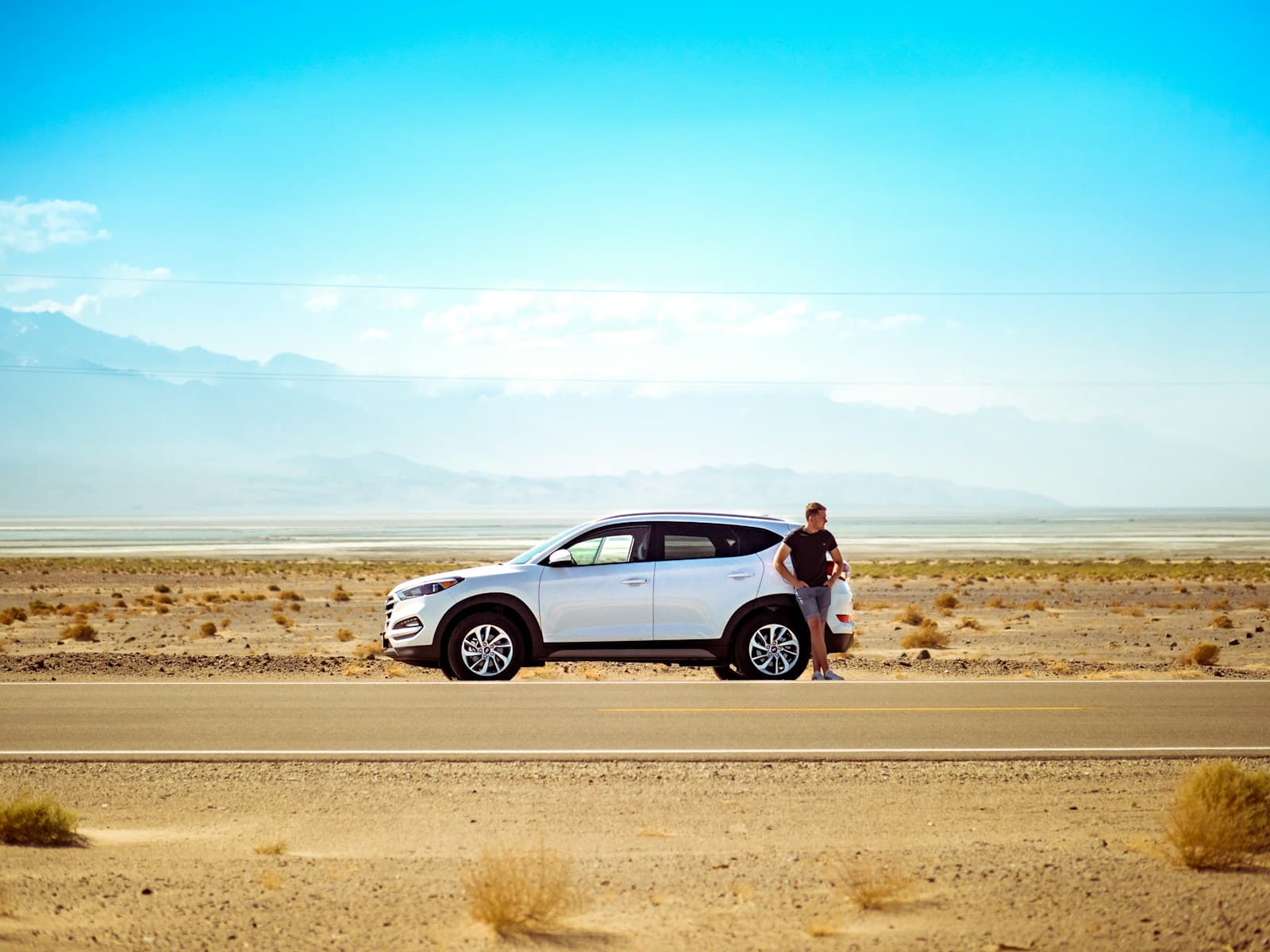
Most states require you to own or lease the vehicle before approving the hardship license — but securing affordable SR-22 coverage before you buy changes what you can afford to insure.
Why Vehicle Ownership Timing Matters for Hardship License Applications
Most state hardship license programs require proof of vehicle ownership or a lease agreement before approving your application. You submit the title, registration, or lease contract alongside your employer affidavit and court order. The DMV or judge wants to see that you have legal access to a specific vehicle that will carry the required liability insurance and SR-22 filing.
But the premium you'll pay for that SR-22 coverage depends entirely on the vehicle you choose. A 2015 sedan with liability-only coverage might cost $140/month with an SR-22 endorsement. The same driver insuring a 2018 SUV requiring comprehensive and collision could pay $280/month. If you buy the vehicle before getting SR-22 quotes, you've locked in the insurance cost without knowing whether you can afford it for the entire filing period.
This timing problem hits hardest in states where hardship licenses require ignition interlock devices. You're stacking IID lease costs ($70–$100/month), SR-22 premium increases ($40–$120/month over base rates), and the vehicle payment itself. Choosing the wrong vehicle pre-purchase can price you out of the hardship license program entirely.
The Pre-Purchase Insurance Quote Strategy
Get SR-22 quotes on multiple vehicle profiles before you commit to a purchase. Most non-standard carriers will provide quotes based on a VIN you don't yet own. You tell them you're comparing vehicles and need to understand the total cost of ownership including the SR-22 filing requirement.
Run quotes on three vehicle profiles: the car you want, a cheaper sedan option, and a minimum-coverage liability-only option. Compare the monthly premium difference. If the vehicle you want adds $90/month to your SR-22 cost over a simpler option, multiply that by 36 months (the typical DUI SR-22 filing period in most states). That's $3,240 in additional insurance cost alone, not counting the higher purchase price or loan interest.
Some buyers discover that non-owner SR-22 policies cost significantly less than insuring a vehicle they're considering. If you can delay the vehicle purchase and use ride-sharing, public transit, or borrowed vehicles for work commutes under your hardship restrictions, a non-owner policy keeps you legal while you save for a vehicle that won't bury you in premiums.
Compare car insurance rates in your state
Get quotes from licensed carriers — no obligation, no spam, results in minutes.
Get Your Free Quote✓ No Obligation Required✓ Licensed Carriers Only✓ Available Nationwide✓ Free to Compare
State-Specific Ownership Requirements and Workarounds
Texas, Wisconsin, and Indiana hardship programs (called occupational licenses in those states) require the applicant to list a specific vehicle on the petition. You can't get approval without showing proof of ownership or lease. The court order itself names the vehicle make, model, year, and VIN. If you don't own a vehicle at petition time, you're ineligible.
California, Illinois, and Ohio allow hardship applications without vehicle ownership if you can demonstrate access to a vehicle you'll use. That typically means a family member's car with written permission and proof that you'll be added to their insurance policy as a listed driver. This option avoids the purchase-timing trap entirely, but it requires cooperation from someone willing to accept the insurance premium increase that comes with adding a suspended driver to their policy.
Florida's Business Purpose Only (BPO) license program requires proof of insurance but not proof of ownership. You can list a vehicle you intend to purchase, get the BPO approval, then finalize the purchase. But you can't drive legally until the vehicle is titled, registered, insured, and the SR-22 filing is confirmed with the Florida DHSMV. The gap between approval and legal operation creates a window where mistakes cost drivers their BPO eligibility.
How Carriers Price SR-22 Policies by Vehicle Profile
Non-standard carriers price SR-22 endorsements based on total loss exposure, not just the filing itself. A vehicle worth $4,000 requiring liability-only coverage presents low claim risk. The carrier's maximum payout is the state's minimum liability limit, typically $25,000–$50,000 per accident. A vehicle worth $22,000 requiring full coverage exposes the carrier to comprehensive and collision claims on top of liability.
SR-22 drivers already pay elevated base rates because of the violation that triggered the filing requirement. Adding a high-value vehicle or a vehicle requiring comprehensive coverage compounds that premium increase. Carriers assume suspended drivers present higher accident risk, and higher-value vehicles mean higher claim severity if an accident occurs.
Some suspended drivers finance expensive vehicles before shopping SR-22 coverage, then discover the lender requires comprehensive and collision coverage. They're locked into both the vehicle payment and the insurance requirement. If the combined cost exceeds what they budgeted, they default on the loan or drop coverage — both of which trigger license re-suspension and hardship revocation in most states.
Leased Vehicles and SR-22 Filing Complications
Leasing adds a complication most hardship applicants miss: the leasing company owns the vehicle, not you, and they control what insurance requirements you must meet. Nearly all lease agreements require liability limits higher than your state's minimum, plus comprehensive and collision with low deductibles. You can't reduce coverage to save money even if your state allows it.
When you add an SR-22 endorsement to a leased vehicle policy, the filing goes to the state DMV, but the leasing company also receives notification that the primary driver is under a filing requirement due to a suspension. Some leasing companies treat this as a lease agreement violation and accelerate the lease or refuse renewal. Others increase the required liability limits mid-lease, forcing you to upgrade your policy or default.
If you're considering a lease while under suspension, read the lease agreement's insurance clause carefully. Confirm with the leasing company that they accept SR-22 drivers before signing. If they refuse or impose conditions that inflate your premium beyond affordability, you're better off buying a lower-cost vehicle outright or using a non-owner SR-22 until your filing period ends.
Non-Owner SR-22 as a Bridge Strategy
A non-owner SR-22 policy provides liability coverage when you drive vehicles you don't own. It satisfies your state's SR-22 filing requirement without requiring proof of vehicle ownership. Monthly premiums typically run $40–$90 depending on your violation and state, significantly less than insuring a vehicle you own.
This strategy works if your hardship license restrictions allow you to drive employer-owned vehicles, vehicles owned by household members, or rental vehicles for approved purposes. You maintain legal driving status and fulfill the SR-22 requirement while saving money to purchase a vehicle later — ideally after you've shopped coverage and understand the total cost.
The catch: most state hardship programs require you to demonstrate transportation necessity, which usually means showing you need to drive to work, school, medical appointments, or court-ordered programs. If you're relying on non-owner coverage, the judge or DMV examiner may question whether you have reliable vehicle access. Some states reject hardship petitions if the applicant doesn't own or lease a vehicle, treating non-owner coverage as insufficient proof of transportation stability.
What Happens If You Buy the Wrong Vehicle After Hardship Approval
If your hardship license names a specific vehicle and you sell that vehicle or total it in an accident, most states require you to notify the DMV or court within 10–30 days and update your hardship order with the replacement vehicle information. You'll need to update your SR-22 filing to reflect the new VIN and provide proof of insurance on the replacement.
The problem: if the replacement vehicle costs significantly more to insure and you can't afford the premium increase, you'll either drop coverage (triggering automatic hardship revocation and license re-suspension) or drive uninsured (a criminal offense in most states that adds jail time and extended suspension periods). Once your hardship is revoked for an insurance lapse, most states impose a waiting period before you can reapply — often 90 days to 6 months.
This is why getting SR-22 quotes before the initial vehicle purchase matters. If you choose a vehicle with an affordable premium at the start, you have budget flexibility to handle the replacement if something goes wrong. If you max out your insurance budget on day one, any disruption ends your hardship eligibility.