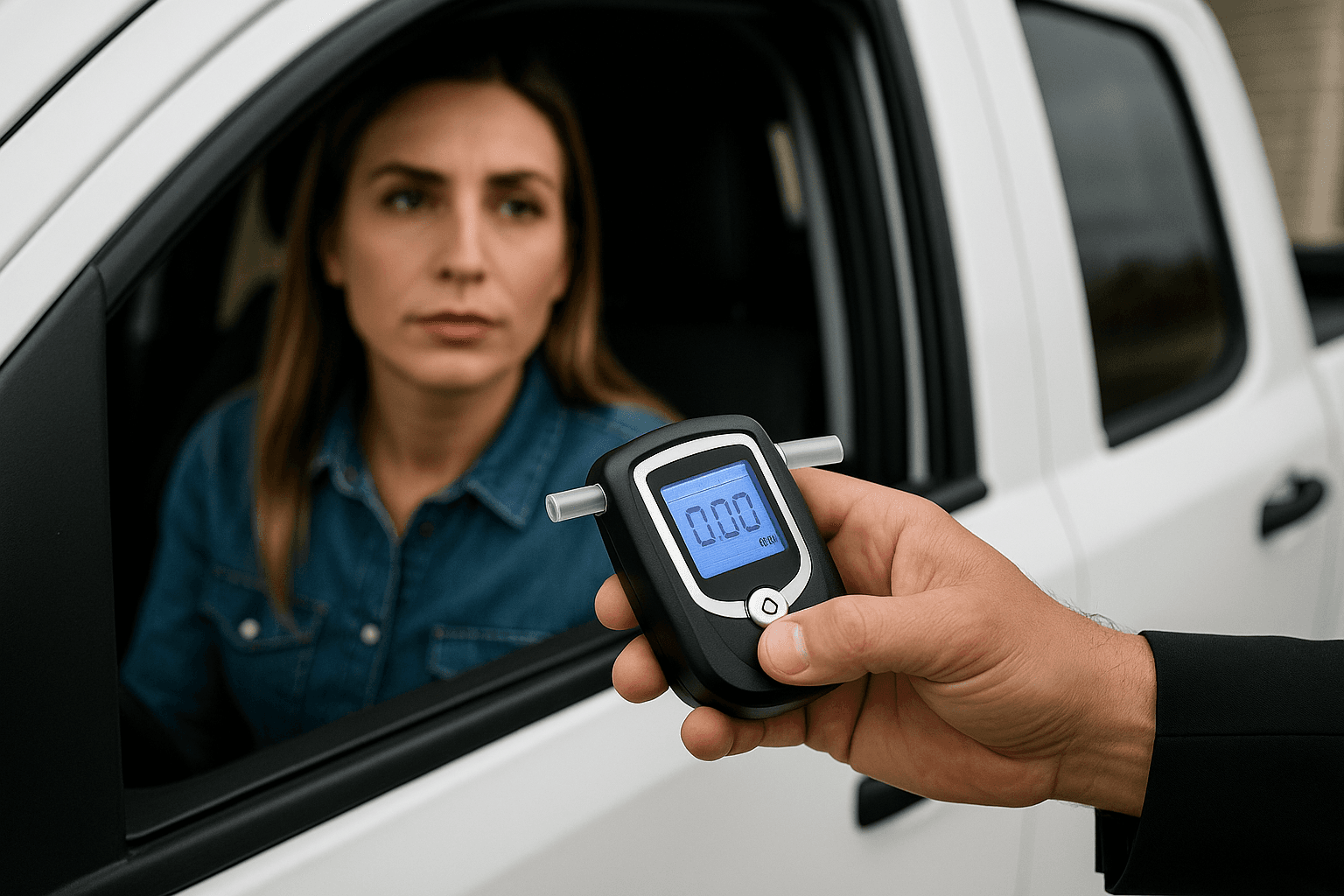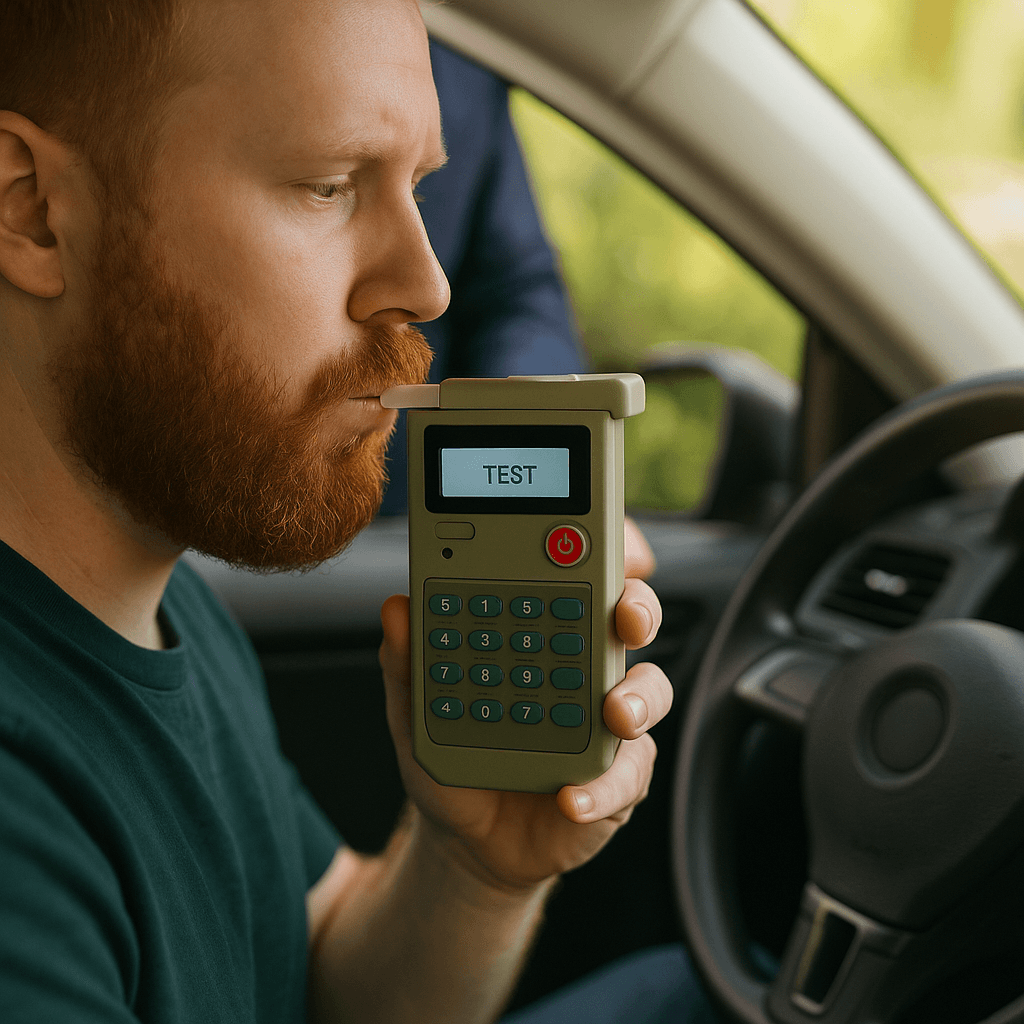
Most drivers think IID service visits are mechanical checks. They're compliance audits—and missing a scheduled appointment triggers immediate hardship license revocation in most states before you even realize the appointment window closed.
What Actually Happens During an IID Service Appointment
The technician downloads three types of data from your device: attempted engine starts (successful and failed), recorded BAC readings for every start attempt, and tamper alerts including disconnection events and circumvention attempts. This data uploads directly to your state's monitoring authority—typically the DMV or a contracted third-party compliance vendor—within 24 to 48 hours of your appointment.
The physical inspection takes 5 to 10 minutes. The technician recalibrates the fuel cell sensor, checks camera functionality if your device includes photo verification, inspects wiring connections for wear or evidence of bypass attempts, and replaces the mouthpiece. Calibration drift is normal and expected—sensors lose accuracy over time, which is why service intervals exist.
You receive a service completion certificate immediately after the appointment. Keep this certificate. If your monitoring authority questions a missed appointment or flags a compliance gap, this certificate is your only proof the visit occurred on time. Most providers email a digital copy, but system delays mean the email may arrive hours or days later—ask for a printed copy before you leave the service center.
How Often You Must Return for Service
Standard service intervals are every 30 days in most states, measured from the installation date—not from your previous service visit. If your device was installed on March 3, your first service window opens around April 3, regardless of whether you schedule the appointment for April 3 or April 10. The compliance clock is installation-anchored, not appointment-anchored.
Some states mandate shorter intervals for higher-risk cases. California requires every 30 days for standard DUI, but every 15 days for drivers with two or more DUI convictions within 10 years. Florida requires every 30 days for standard ignition interlock, but every 60 days once you transition from monitoring period to full reinstatement. Check your hardship license order or IID installation paperwork—the service interval is a condition of your restricted driving privilege, and the interval specified in your order controls.
Most providers send email or text reminders 7 to 10 days before your service window opens. Do not rely on these reminders. Provider systems fail, email filters catch notifications, and phone numbers change. Set your own recurring calendar alert for 5 days before each service due date. The grace period for a missed appointment is typically 5 to 7 days after the due date in most states—but enforcement is automated, and once the grace period closes, your hardship license is administratively revoked without a hearing.
Compare car insurance rates in your state
Get quotes from licensed carriers — no obligation, no spam, results in minutes.
Get Your Free Quote✓ No Obligation Required✓ Licensed Carriers Only✓ Available Nationwide✓ Free to Compare
What Triggers a Failed Service Visit
A failed service visit does not mean your device stops working. It means the data downloaded during service shows a compliance violation that disqualifies you from continued hardship driving. The most common failure trigger is a failed start attempt—any recorded BAC reading above your state's lockout threshold, typically 0.02% to 0.04%, generates a violation flag.
Tamper alerts trigger immediate failure in all states. Disconnecting the device to move it between vehicles without provider authorization, attempting to start the vehicle while the device displays a service lockout message, or covering the camera lens during a rolling retest are all classified as circumvention attempts. Even if your BAC data is clean, a single tamper flag can result in hardship license revocation and extension of your total interlock requirement period by 6 to 12 months.
Missed rolling retests also appear in service data. Most devices require a rolling retest 5 to 15 minutes after the engine starts, then at random intervals during longer trips. If you ignore three rolling retest prompts in a 30-day period, most state monitoring programs classify this as a pattern violation. You are required to pull over safely and complete the retest within the time window displayed—failing to do so logs a missed retest, which counts as a compliance failure even if you never recorded a positive BAC reading.
Why Missed Appointments Revoke Your Hardship License Immediately
IID service appointments are not optional maintenance—they are compliance checkpoints mandated by your hardship license order. When you miss a service appointment, your provider cannot download data proving you maintained zero failed starts and zero tamper events during the previous 30-day period. Without that data upload, your monitoring authority has no compliance record, and your hardship license is automatically revoked.
Most states impose a 5-day grace period after the service due date. If your appointment was due April 15 and you schedule for April 18, you remain compliant as long as the service occurs before the grace period closes. Once the grace period expires, the device enters service lockout mode: the vehicle will start 3 to 7 more times (enough to get you to a service center), then the device permanently locks until serviced. But by the time the device locks, your hardship license has already been revoked—servicing the device does not automatically reinstate your driving privilege.
Reinstatement after a missed-appointment revocation requires filing a new hardship petition in most states, paying a reinstatement fee (typically $50 to $200), and in some cases appearing before a hearing officer to explain the missed appointment. If you missed the appointment because you were traveling out of state, hospitalized, or your vehicle was inoperable, bring documentation—but even with documentation, most states require you to remain off the road until the new hardship order is issued, which can take 10 to 30 days.
What the Data Download Reveals About Your Driving Pattern
Service data shows when you attempted to start the vehicle, not where you drove. But the timestamp pattern reveals whether you are complying with the route and time restrictions in your hardship license order. If your hardship license restricts you to work-related driving Monday through Friday between 6 AM and 6 PM, but service data shows start attempts at 11 PM on Saturday, your monitoring authority can revoke your hardship license for driving outside approved hours—even if every BAC reading was 0.00%.
Most state monitoring programs flag abnormal use patterns for review. If your hardship license allows driving to work, medical appointments, and DUI education classes, but service data shows 40 starts per week when your documented work commute requires 10 starts per week, the monitoring authority may request an explanation. You are not required to document every trip in most states, but you are required to limit driving to the purposes approved in your hardship order. Excessive start attempts suggest unauthorized use, and the burden is on you to explain the pattern.
Some devices log GPS data in addition to start attempts. GPS logging is not universal—check your installation paperwork. If your device includes GPS, the downloaded data shows your route, and the monitoring authority can verify whether you drove only to approved locations. GPS noncompliance—such as driving to a bar when your hardship license restricts you to work and home—is grounds for immediate revocation in states that monitor location data.
How IID Requirements Affect Your SR-22 or FR-44 Filing
An ignition interlock requirement does not eliminate your SR-22 or FR-44 filing obligation. Most DUI suspensions require both: the IID proves you cannot start the vehicle after drinking, and the SR-22 or FR-44 filing proves you carry liability insurance at state-mandated minimums. These are parallel requirements, not substitutes.
Your SR-22 or FR-44 filing must remain active for the full duration specified in your suspension order—typically 3 years for a first DUI, longer for repeat offenses or aggravated cases. If your IID requirement is 1 year but your SR-22 requirement is 3 years, you must maintain the filing for the full 3 years even after the IID is removed. If your insurer cancels your policy or you allow coverage to lapse during the filing period, the state DMV receives an automatic notification and your hardship license is revoked immediately.
Some insurers add surcharges for policies that require both IID and SR-22 filing. Expect to pay $140 to $250 per month for liability-only coverage with an SR-22 filing and active IID requirement. Non-owner SR-22 policies are available if you do not own a vehicle but need to maintain a filing—these policies cost $50 to $90 per month and satisfy the filing requirement, but you still must have the IID installed in any vehicle you drive, including borrowed or employer-owned vehicles in most states.