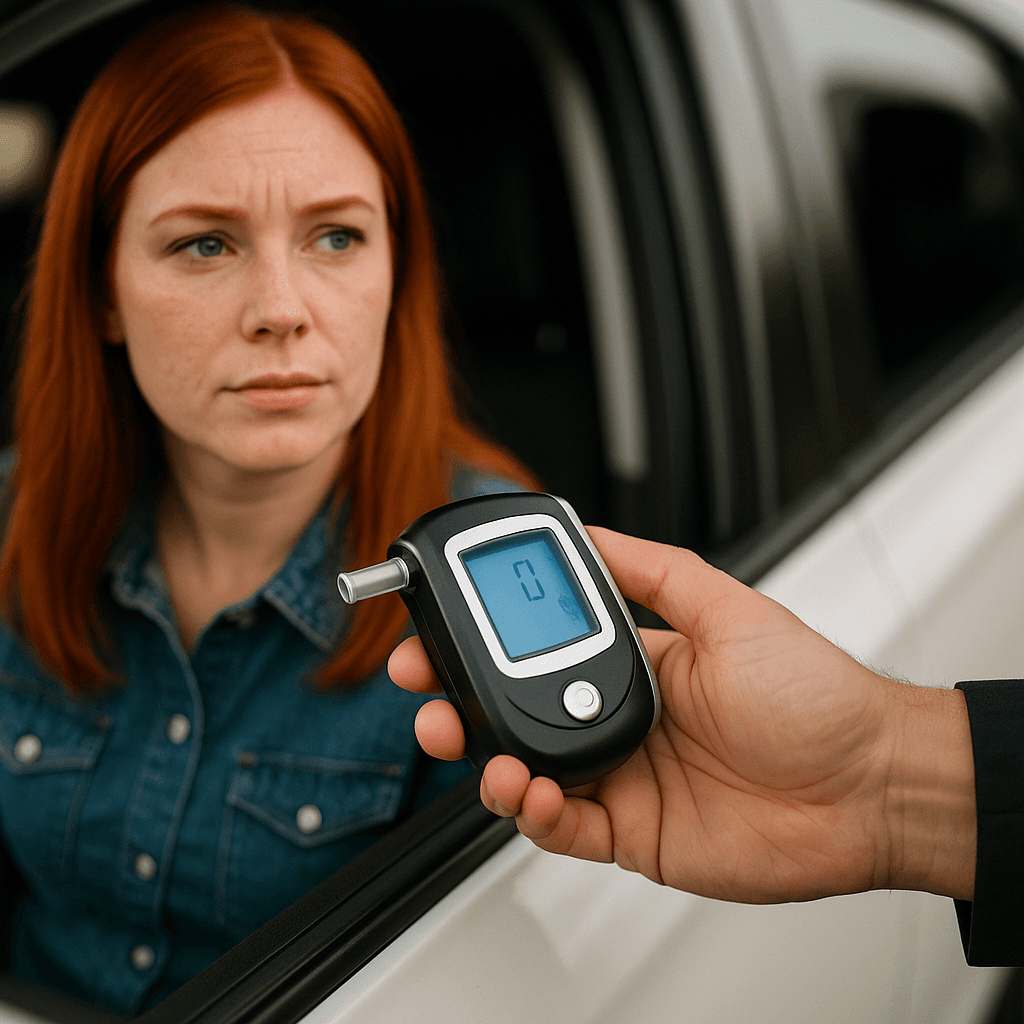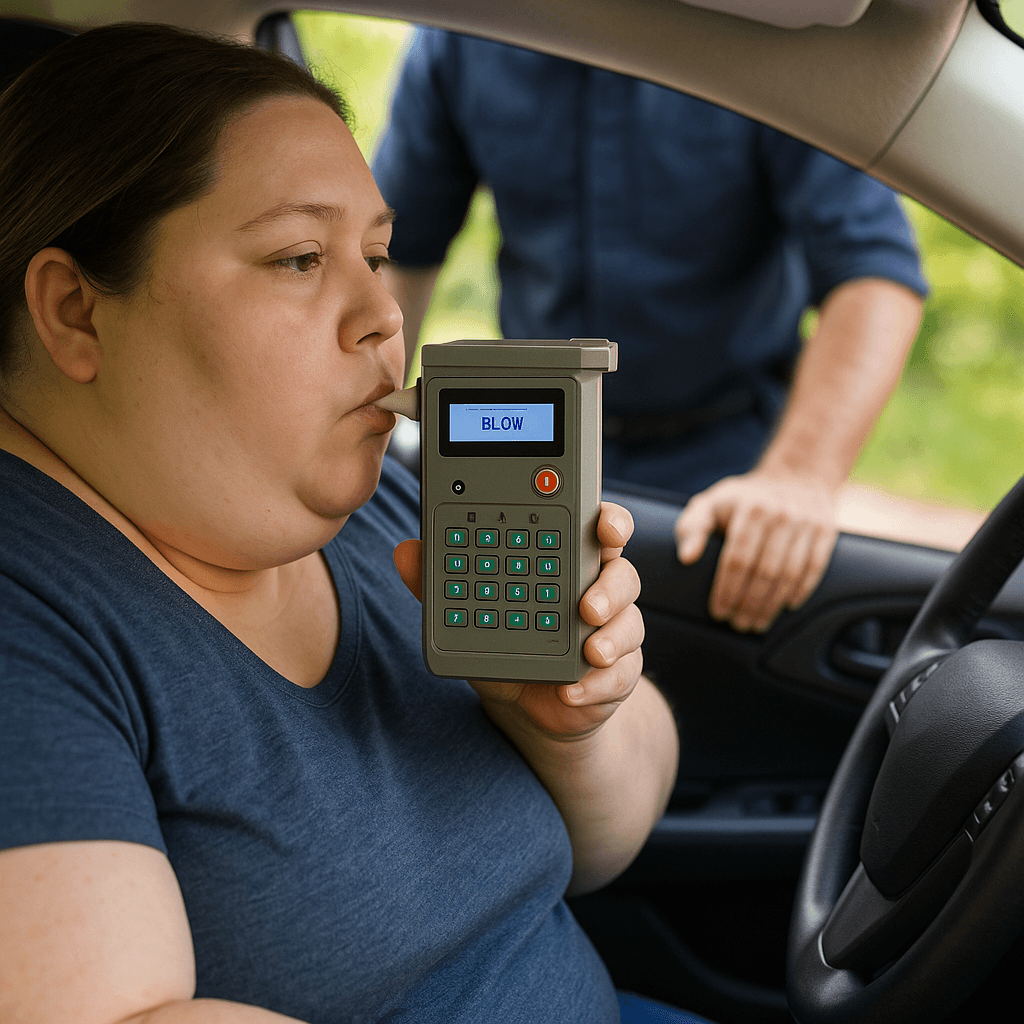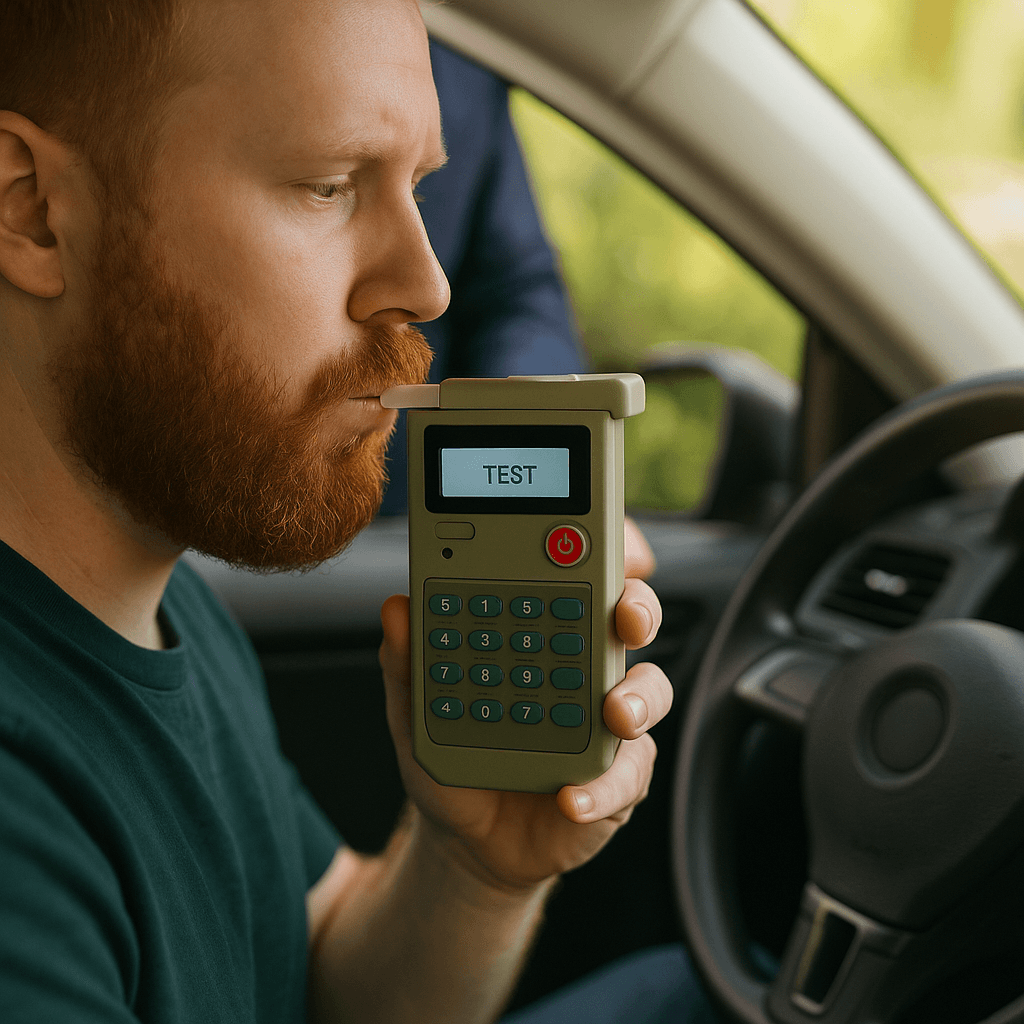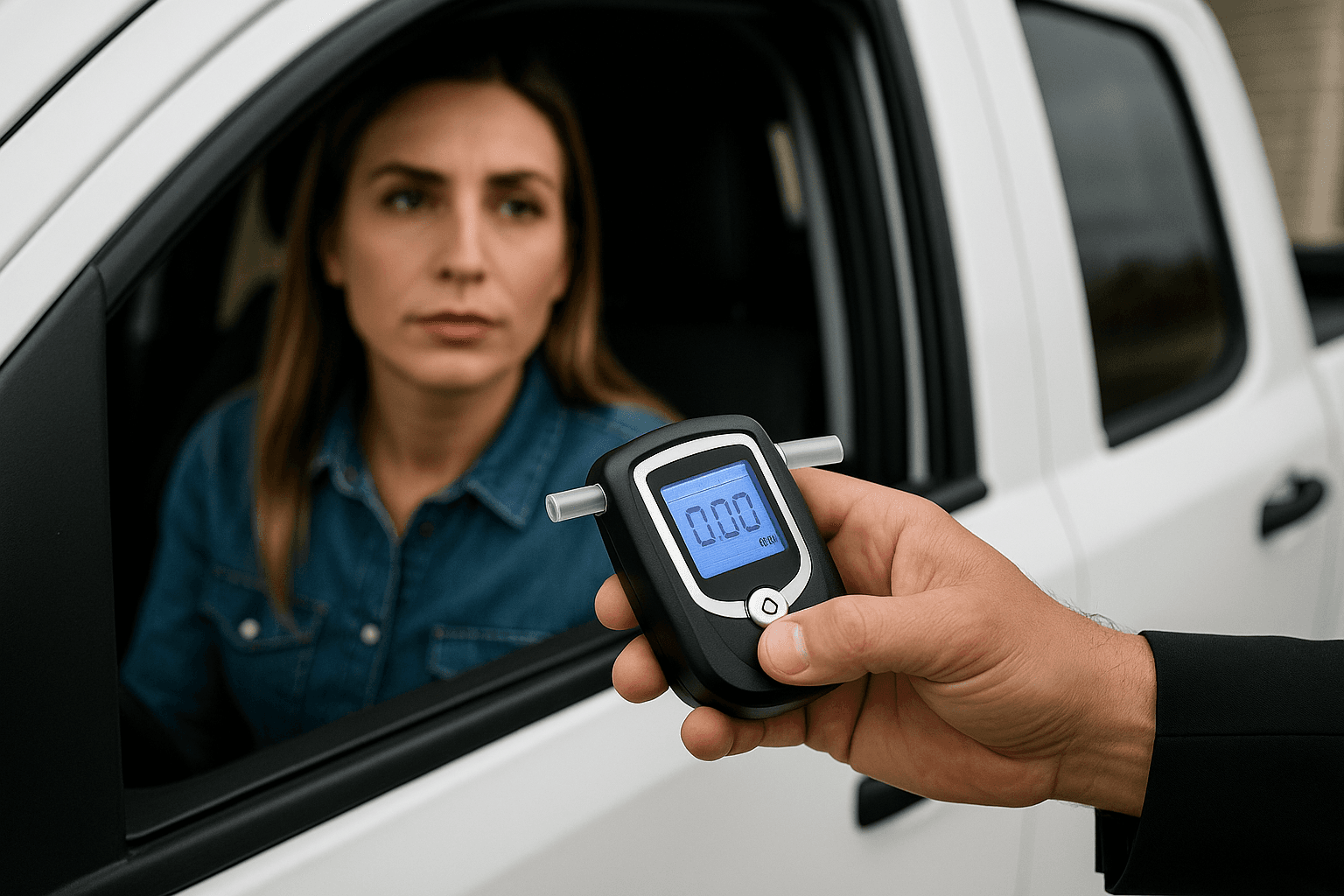
Courts and DMVs count ignition interlock installation dates differently than completion dates. Most drivers discover too late that their removal eligibility depends on continuous monitoring compliance, not just clean tests.
When Your IID Compliance Clock Actually Starts
Your ignition interlock removal eligibility does not begin on the date the device was installed. It begins on the first date of continuous compliant monitoring—the first full month with zero violations, zero missed rolling retests, and zero calibration lapses. If you fail a test, miss a calibration appointment, or trigger a lockout in month three, most states restart your compliance clock from zero.
The distinction matters because hardship licenses with IID requirements typically mandate 6 to 12 months of compliant operation before removal petitions are considered. A driver who had the device installed in January but recorded a failed retest in March does not reach six-month eligibility in July. The clock restarts in April, pushing removal eligibility to October at the earliest.
Courts and DMVs receive IID monitoring reports directly from the provider. These reports flag violations, missed appointments, and tampering attempts. The agency determines compliance start date from the report data, not from your installation receipt. Your perception of when you became eligible and the state's calculation rarely align without reviewing the monitoring history first.
What Counts as a Violation That Resets the Clock
A violation is not just a failed breath test. Missed rolling retests trigger violation flags in most state monitoring systems. Rolling retests are random prompts requiring a breath sample while driving—typically within 5 to 15 minutes of the initial request. Missing one retest, even if all startup tests were clean, counts as noncompliance.
Calibration lapses are the second most common reset trigger. IID providers require recalibration every 30 to 90 days depending on state rules and device type. If you exceed the calibration window by even one day, the device logs a compliance failure. Some states treat calibration lapses identically to failed breath tests for purposes of restarting the monitoring period.
Tampering attempts, circumvention flags, and power disconnections also reset eligibility. Devices log voltage interruptions and physical access events. If the monitoring report shows unexplained power loss or case tampering, the state treats the entire period as noncompliant regardless of breath test results. Providers cannot verify what happened during offline periods, so offline time does not count toward your compliant months.
Compare car insurance rates in your state
Get quotes from licensed carriers — no obligation, no spam, results in minutes.
Get Your Free Quote✓ No Obligation Required✓ Licensed Carriers Only✓ Available Nationwide✓ Free to Compare
How Courts Verify Completion Before Removal
Removal petitions require a certified compliance report from your IID provider covering the full monitoring period. The report lists every test result, every rolling retest event, every calibration visit, and every flagged violation. Courts do not accept summaries or verbal confirmations—the certified monitoring log is the only accepted evidence.
Judges compare the monitoring start date to the hardship license order date and the installation date. If the order required six months of compliant monitoring and your certified report shows a violation reset in month four, the petition will be denied regardless of how long the device has been physically installed. The compliant period must be continuous and must meet or exceed the duration specified in the original suspension or hardship order.
Some states require an additional hearing to remove IID requirements even after completing the monitoring period. Texas, Oklahoma, and Georgia courts typically schedule removal hearings 30 to 60 days after the petition is filed. Other states process removal administratively through the DMV after verifying the certified report. Verify your state's procedure before assuming the device comes off automatically once the monitoring period ends.
State-Specific IID Duration Rules and Removal Pathways
IID duration requirements vary by violation type and state statute. First-offense DUI violations typically mandate 6 to 12 months of monitoring in most states. Second and subsequent offenses extend monitoring to 1 to 3 years or longer. Some states impose lifetime IID requirements for third-offense DUI convictions, with removal possible only through executive clemency or statutory amendments.
Hardship license IID requirements run concurrently with suspension-related IID obligations in most states, but not all. If your underlying suspension requires two years of IID monitoring and your hardship license requires six months, completing the hardship requirement does not end the suspension-related obligation. Full license reinstatement still depends on satisfying the longer monitoring period unless the court order explicitly states otherwise.
A few states allow early removal petitions after completing half the required monitoring period if the driver demonstrates extraordinary compliance and submits to additional alcohol monitoring through SCRAM or similar systems. These petitions are rare and success rates are low. Most drivers complete the full monitoring term rather than risk denial and the associated legal costs of a premature petition.
Insurance SR-22 Filing Duration and IID Completion
SR-22 filing requirements do not end when the IID is removed. Filing duration is set by the violation that triggered the suspension, not by the IID monitoring period. DUI-related suspensions typically require three years of continuous SR-22 coverage in most states. The IID might be removed after 12 months of compliant monitoring, but the SR-22 filing obligation continues for the remaining two years.
Some drivers assume they can cancel their SR-22 policy once the device is removed because the hardship license restriction has been lifted. Canceling SR-22 coverage before the state-mandated filing period ends triggers an automatic license re-suspension in nearly every state. The DMV receives electronic notification of policy cancellations within 24 hours, and suspension notices are typically mailed within one week.
Non-owner SR-22 policies cover drivers who do not own a vehicle but need to maintain continuous liability coverage during the filing period. If you surrender your vehicle after IID installation or complete the IID requirement without owning a car, a non-owner SR-22 policy satisfies the state's continuous coverage mandate at a significantly lower premium than standard vehicle policies. Verify that your insurer files the SR-22 certificate with the state DMV before canceling any existing policy.
What Happens If You Remove the Device Early
Unauthorized IID removal triggers immediate hardship license revocation and extends the underlying suspension period in most states. Courts treat early removal as willful noncompliance, which typically adds 6 to 12 months to the original suspension term and disqualifies the driver from future hardship applications for a specified period.
Some drivers attempt to remove the device after moving to a different state, assuming the new state will not enforce the IID requirement. Interstate Driver License Compact member states share violation data and suspension status. If your IID obligation originated in a compact member state and you remove the device without authorization, the new state will honor the suspension and may impose additional penalties for noncompliance.
Providers report unauthorized removals to the state DMV and the court that issued the hardship order within 24 to 48 hours. The provider bills the full remaining contract term even if the device is physically returned. Early removal does not end financial obligations to the provider and creates new legal exposure through contempt findings or probation violations if the IID was ordered as part of a criminal sentence.
Cost of IID Through Removal and What Insurance Covers
IID monitoring costs include installation fees, monthly lease or monitoring fees, calibration fees, and removal fees. Installation typically ranges from $75 to $150. Monthly fees range from $60 to $100 depending on provider and state. Calibration visits every 30 to 90 days add $15 to $30 per visit. Removal fees range from $50 to $100. A driver completing a 12-month IID requirement pays approximately $900 to $1,500 total in device-related costs.
Insurance does not cover IID costs. Liability policies and SR-22 endorsements cover third-party injury and property damage, not device fees, monitoring fees, or violation-related charges. Some IID providers offer payment plans or sliding-scale fees for low-income drivers, but these programs vary by state and provider.
The premium increase associated with SR-22 filing adds to the total cost of maintaining a hardship license with IID requirements. Drivers with DUI-related suspensions typically see premium increases of 60% to 120% over pre-suspension rates. Non-owner SR-22 policies reduce this impact for drivers without vehicles. Combined IID and SR-22 costs over a typical 12-month hardship period range from $2,000 to $4,000 depending on state, provider, and insurance tier.