The ignition interlock monitoring period determines whether your state grants full reinstatement or extends restrictions. Most drivers don't realize a single violation in the final month restarts the entire clock.
How State Monitoring Periods Determine IID Removal Eligibility
State DMVs calculate your ignition interlock removal date from your last violation-free reading, not from the day the device was installed. If your state requires 12 consecutive clean months and you register a failed start attempt in month 11, the 12-month clock resets to day one. This restart provision catches drivers who believed they were weeks away from removal.
Most states define a violation as any failed start attempt above the programmed threshold, typically 0.02 or 0.025 BAC depending on jurisdiction. Missed rolling retests count as violations in 38 states even if you weren't drinking — the device logs noncompliance the same way it logs alcohol detection. Skipped calibration appointments trigger violation flags in 42 states, restarting your monitoring period without warning.
The monitoring period is the state's verification window that you can operate a vehicle safely without alcohol involvement. Clean performance during this window demonstrates compliance. A single late-stage violation signals the state that the risk assessment was premature, and the clock resets to re-establish the compliance pattern from scratch.
What Counts as a Violation During the Monitoring Period
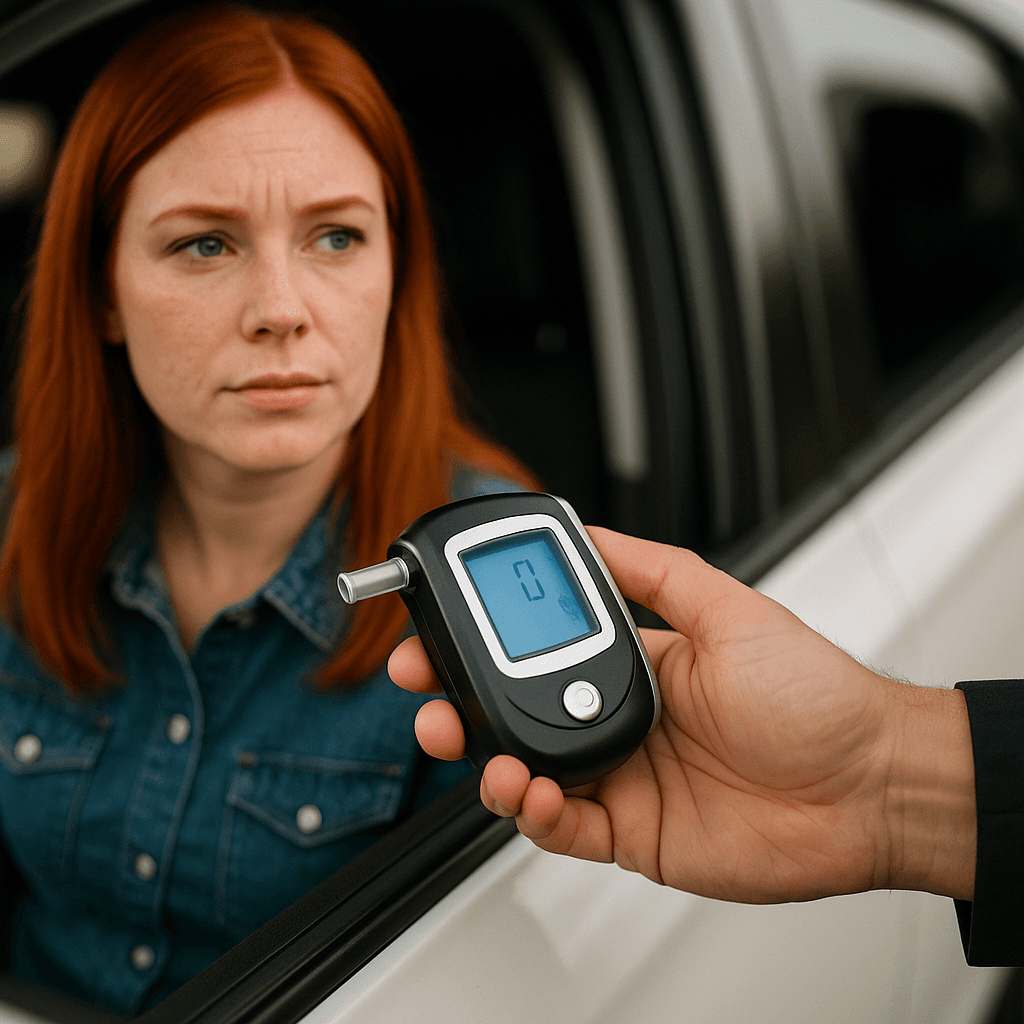
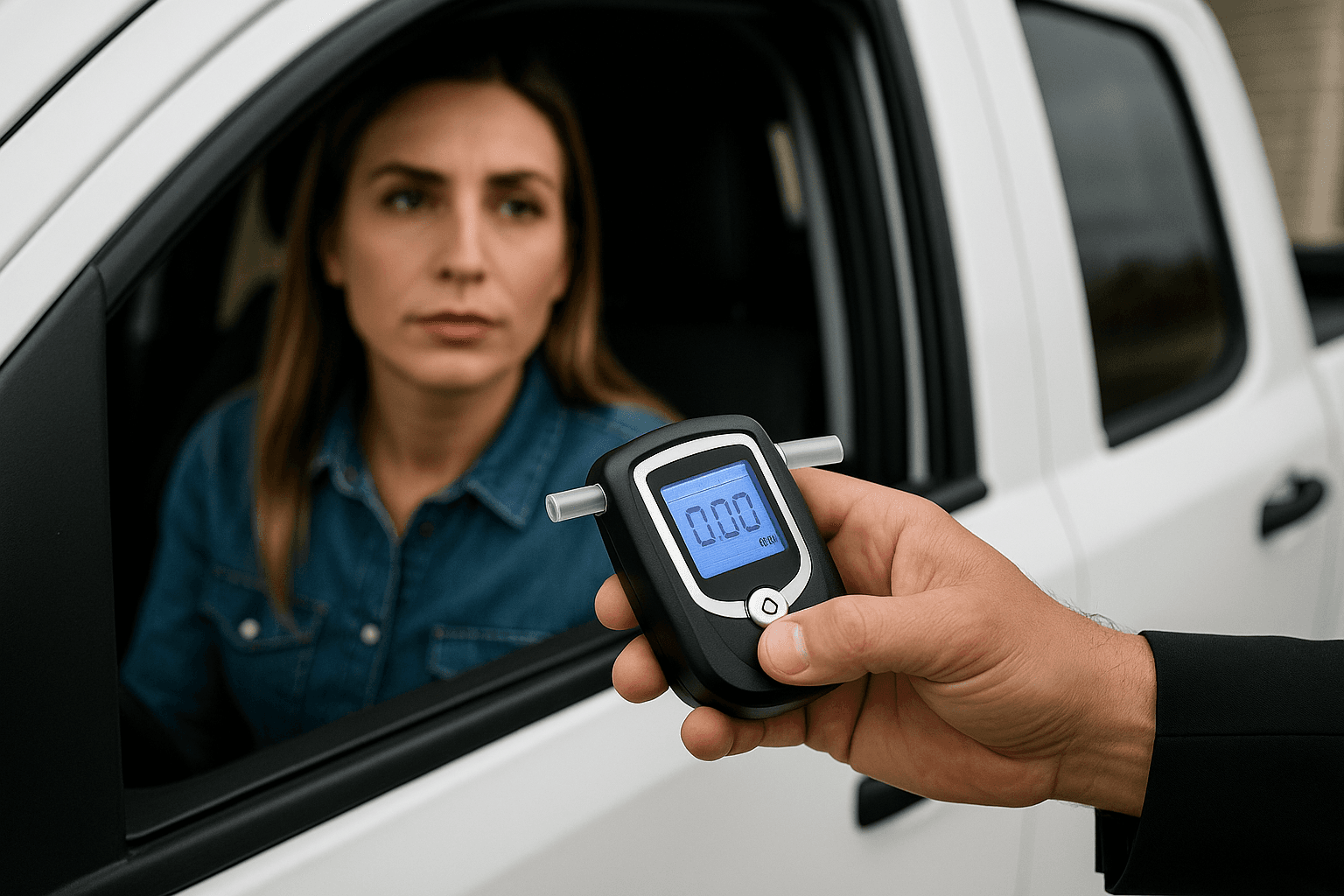
Failed start attempts register as violations when your breath sample exceeds the state-programmed threshold. Most jurisdictions set the hardship-license IID threshold at 0.025 BAC, lower than the 0.08 legal limit, because the monitoring period tests abstinence capacity, not legal intoxication levels. A reading of 0.03 BAC fails the test even though you're below the DUI arrest threshold.
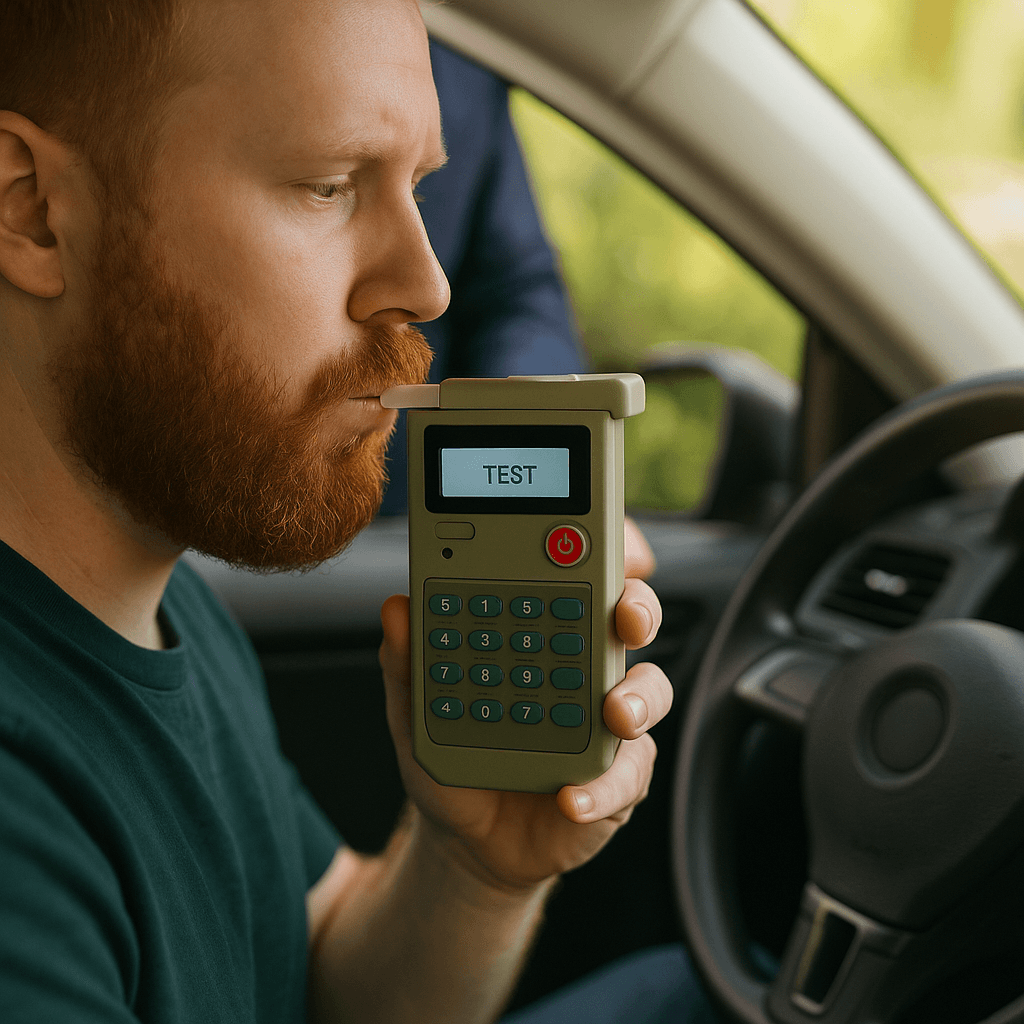
Missed rolling retests count as violations in all states that require them. The device prompts a retest 5 to 15 minutes after the vehicle starts, then randomly during operation. If you ignore three consecutive prompts, the device logs a tampering event. If you pull over and turn off the engine to avoid the retest, the device logs a circumvention attempt. Both reset your monitoring clock.
Calibration lapses trigger automatic violations when you exceed the appointment window, typically 60 or 67 days depending on your device provider. The state receives a noncompliance report from the installer within 48 hours of the missed appointment. By the time you reschedule, the violation is already recorded, and your monitoring period has restarted. Calling the installer to explain the delay does not prevent the state report — the device transmits data independently of installer discretion.
Compare car insurance rates in your state
Get quotes from licensed carriers — no obligation, no spam, results in minutes.
Get Your Free Quote✓ No Obligation Required✓ Licensed Carriers Only✓ Available Nationwide✓ Free to Compare
State-Specific IID Monitoring Period Lengths and Removal Pathways
First-offense DUI monitoring periods range from 6 months in states like Iowa and South Dakota to 12 months in California, Texas, and Florida. Second-offense periods extend to 24 months in most jurisdictions, 36 months in Arizona and Virginia for aggravated cases. The period does not begin until the court orders IID installation and the device is calibrated — drivers who delay installation delay their own removal eligibility by an equal number of days.
Some states impose tiered monitoring structures. Ohio requires 6 months of clean readings for occupational license holders, then converts to full license with continued IID requirement for the remainder of the original suspension term. Illinois mandates 12 months of violation-free performance for restricted driving permit holders before considering full reinstatement, but the underlying suspension must also be satisfied through completion of remedial classes and payment of all fines.
Virginia and Florida operate fixed-term IID programs: your removal date is set at sentencing, and clean performance does not shorten it. Violations extend the term but perfection does not accelerate removal. In contrast, California and Texas operate rolling-window programs where your removal eligibility moves forward with each clean month, but slides backward with each violation. The distinction matters when estimating your actual freedom date — fixed-term states reward early compliance with certainty, rolling-window states penalize late violations with indefinite extensions.
How Late-Stage Violations Extend Your Total Restriction Period
A violation in month 11 of a 12-month monitoring period resets the clock to month zero, adding 11 months to your total time under restriction. Drivers who fail a rolling retest three weeks before their scheduled removal date lose those three weeks plus the entire 12-month window, extending their IID requirement by a full year beyond the date they expected freedom.
States do not prorate partial compliance. If you complete 10 clean months and register a violation in month 11, you do not receive credit for the 10 months already logged. The reset is absolute. The policy reflects the state's judgment that recent violations indicate current risk, and older clean performance does not offset present noncompliance.
Some states impose additional penalties beyond clock resets. Pennsylvania revokes the occupational license entirely after three violations during the monitoring period, requiring reapplication and a new hearing. Washington extends the IID requirement by 6 months per violation, independent of the monitoring clock. Michigan converts hardship violations into new suspension events, stacking additional restriction time on top of the original term. Check your state's specific violation-consequence schedule — the monitoring period reset is the floor, not the ceiling, of what a late-stage violation costs you.
What Happens When You Complete the Monitoring Period Without Violations
Successful completion of the monitoring period triggers a state review of your full reinstatement eligibility. The IID provider transmits a compliance report to the DMV showing zero violations, on-time calibrations, and no circumvention attempts. The state verifies that all underlying suspension requirements are satisfied: fines paid, alcohol education completed, SR-22 filing active, court-ordered assessments submitted.
If all conditions are met, the state issues a removal authorization letter. You schedule a final appointment with your IID installer, who removes the device and provides a removal certificate. You submit that certificate to the DMV along with the removal authorization letter and any required reinstatement fees, typically $50 to $125 depending on jurisdiction. The DMV processes your full license restoration within 7 to 14 business days in most states.
Some states require continued SR-22 insurance filing after IID removal. California mandates 3 years of SR-22 from the conviction date, meaning your filing obligation often extends 12 to 18 months beyond device removal. Texas requires SR-22 for 2 years from reinstatement, not from conviction, so your filing continues after the IID comes off. Verify your state's SR-22 duration rules before canceling your high-risk policy — early cancellation triggers automatic re-suspension even if the IID is already removed.
Insurance Coverage Requirements During and After IID Removal
Your SR-22 filing requirement remains active throughout the IID monitoring period and typically extends beyond device removal. The filing is a separate reinstatement condition tied to the underlying suspension, not to the ignition interlock program. Letting your SR-22 policy lapse during the monitoring period triggers immediate suspension of your hardship license, invalidating all IID compliance you've accumulated and restarting both the suspension and the monitoring clock from zero.
Carriers classify IID-equipped policies as high-risk products, pricing them 80% to 150% above standard rates depending on your violation history and state. Monthly premiums for drivers with active IID requirements range from $140 to $280 in most markets. Once the device is removed and you transition to full license status, your premiums drop by 20% to 40% within the first policy cycle, assuming no new violations.
If you don't own a vehicle during the monitoring period, non-owner SR-22 policies satisfy both the state's insurance filing requirement and provide liability coverage when you drive borrowed or rental vehicles. Non-owner policies cost $35 to $75 per month, significantly less than owner policies, and maintain continuous coverage credit that improves your rates once you purchase a vehicle after reinstatement. Verify that your state accepts non-owner filings for IID monitoring compliance — most do, but a few jurisdictions require vehicle-specific policies tied to the VIN of the IID-equipped car.
What To Do If You Receive a Violation Notice Near the End of Your Monitoring Period
Request a calibration data download from your IID provider immediately. The device logs every start attempt, every rolling retest, and every calibration event with timestamps and BAC readings. If the reported violation resulted from equipment malfunction, mouthwash residue, or another non-alcohol cause, the raw data provides your only evidence for an administrative appeal.
File a hearing request with your state DMV within the deadline specified in the violation notice, typically 10 to 15 days from the date of mailing. Most states allow administrative hearings to challenge IID violation reports before the monitoring period resets. Bring the calibration data, medical records if you were taking alcohol-based medication, and witness testimony if the device malfunctioned. Success rates for IID violation appeals are low — 15% to 25% depending on jurisdiction — but a successful appeal preserves your monitoring progress.
If the violation is accurate and the appeal window has closed, your monitoring period resets and your removal date moves forward by the full monitoring term. Contact your insurer to confirm your SR-22 filing remains active — some carriers cancel policies automatically after repeated IID violations, triggering a secondary suspension. If your policy is canceled, you have 30 days in most states to secure replacement coverage and file a new SR-22 before the DMV suspends your hardship license. Use a non-standard carrier that specializes in high-risk IID cases; standard carriers often refuse coverage after multiple monitoring violations.