Most states don't let you remove an ignition interlock device from a hardship license early without converting to full reinstatement first. The cost stack isn't just the IID — it's application fees, monitoring, insurance filing extensions, and the gap premium when your carrier learns you're switching.
Why Ignition Interlock Duration Is Tied to Your Hardship License Term, Not Your Lease Contract
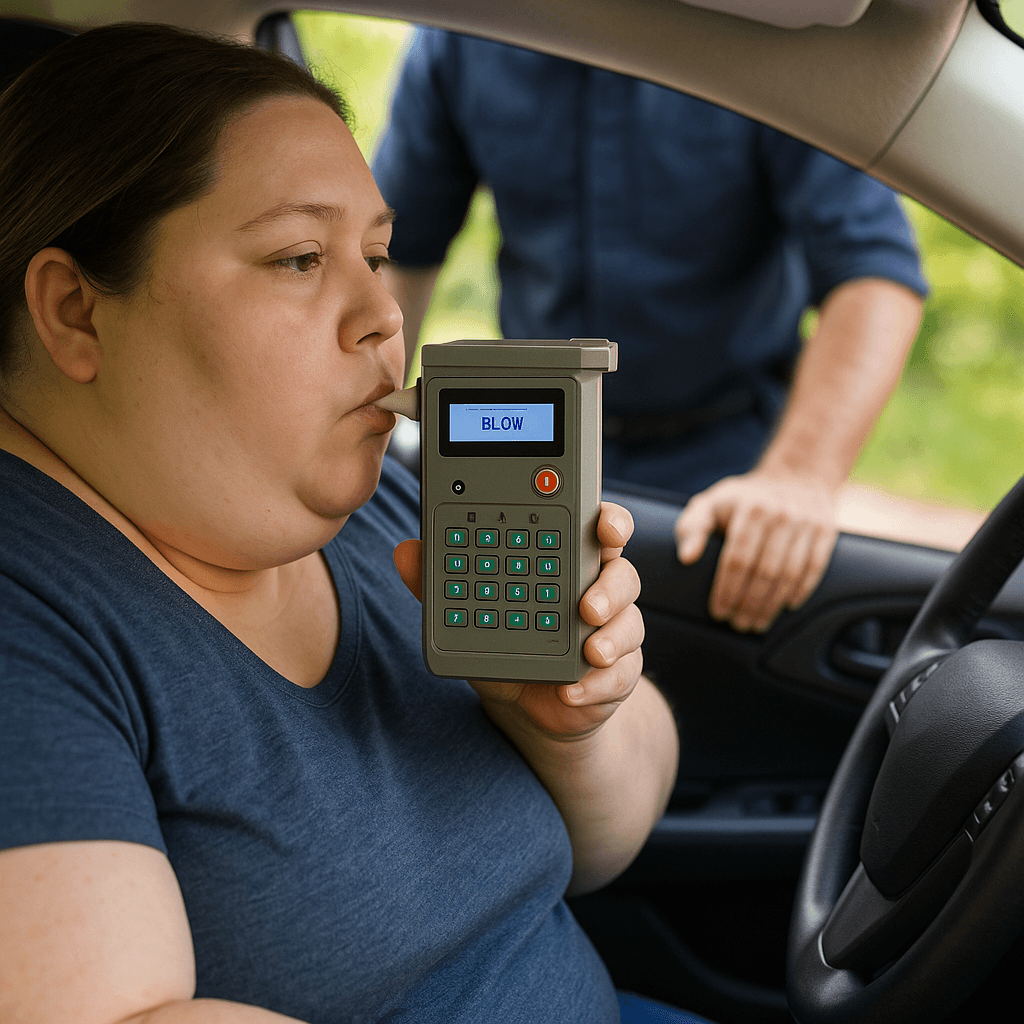
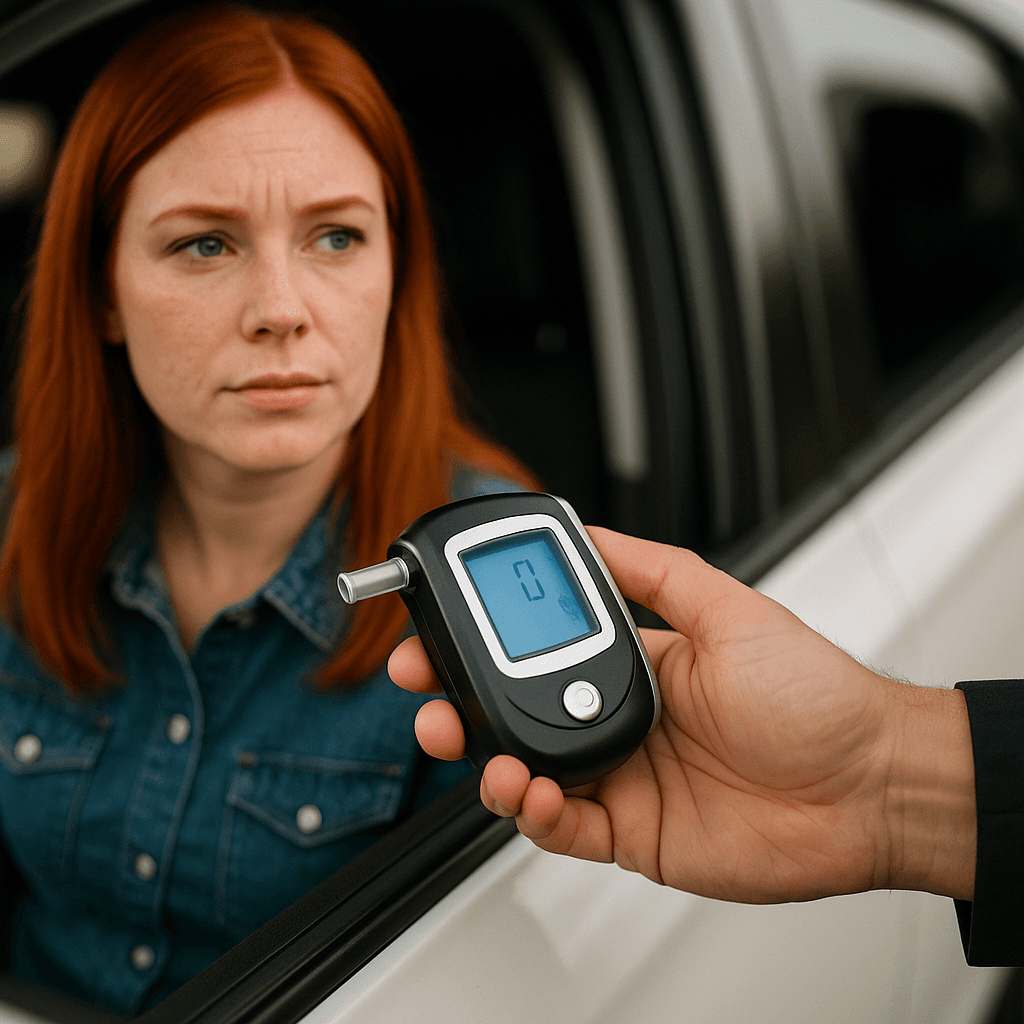
The ignition interlock device requirement on your hardship license runs parallel to the hardship period itself, not the IID lease agreement you signed with the installer. If your state mandates 12 months of interlock monitoring for DUI hardship eligibility, you cannot remove the device at month 8 just because your lease is paid current. The state DMV tracks compliance through monthly monitoring reports submitted by your IID provider. Missing a single month's data upload flags your hardship license for automatic suspension in most jurisdictions.
Terminating the IID lease early triggers an immediate compliance violation notice. Your hardship license depends on continuous interlock presence, and the monitoring company reports disconnection or removal within 48 hours to the DMV in states like Texas, Ohio, and Florida. The state views removal as non-compliance with hardship terms, not as a device preference issue.
The only pathway to IID removal before your hardship period expires is full license reinstatement. That means completing all suspension requirements, paying all reinstatement fees, reapplying for a standard license, and satisfying the original suspension cause. For DUI suspensions, this typically includes completing court-ordered DUI education, serving the full suspension period minus hardship credit, and filing SR-22 insurance for the duration specified by statute.
IID Cost Stack During Hardship: Installation, Monitoring, Recalibration, and Insurance Premium Impact
Installation fees range from $70 to $150 depending on your state and the installer network approved by your DMV. This is a one-time charge paid at device placement, typically required before your hardship application is finalized. Texas DMV regulations require IID installation proof as part of the hardship petition filing.
Monthly monitoring runs $60 to $90 per month in most states. This covers the device lease, data upload to state monitoring servers, and monthly calibration appointments. Missed calibration appointments trigger lockout mode after a 3-day grace period in Ohio, 5 days in Florida, and immediately in some counties in California. The monitoring fee is non-negotiable because the state designates approved vendors and sets the service tier.
Recalibration appointments occur every 30 to 60 days depending on your state's IID program rules. Each appointment costs $0 if included in your monthly monitoring fee, or $20 to $40 as a separate line item with some installer contracts. The appointment itself takes 15 to 30 minutes, and your vehicle must be brought to the installer's service location. Mobile recalibration is available in some states for an additional $40 to $60 per visit.
Insurance premium impact varies by your violation trigger. DUI-related hardship licenses in states requiring SR-22 insurance see monthly premiums increase $85 to $190 above standard liability rates. If you drive a vehicle you don't own, non-owner SR-22 policies cost $40 to $75 per month, covering your liability filing requirement without insuring a specific car.
Compare car insurance rates in your state
Get quotes from licensed carriers — no obligation, no spam, results in minutes.
Get Your Free Quote✓ No Obligation Required✓ Licensed Carriers Only✓ Available Nationwide✓ Free to Compare
What Happens to Your SR-22 Filing When You Remove the IID After Reinstatement
SR-22 filing duration is independent of IID installation. Your state sets the SR-22 period based on the violation that triggered suspension, not the hardship license term. DUI convictions in most states mandate 3 years of continuous SR-22 filing measured from reinstatement date, not hardship approval date. Removing the IID after full reinstatement does not shorten or terminate your SR-22 requirement.
Your insurance carrier will not automatically drop your SR-22 filing when you remove the device. The filing is a separate compliance mechanism tracked by the state DMV through electronic submission by your insurer. Letting your SR-22 lapse before the mandated period expires triggers immediate license re-suspension, even if you completed IID monitoring successfully. States like Virginia and Florida extend SR-22 duration by the full lapse period plus penalties, turning a 3-year requirement into 4 or 5 years if you miss coverage.
Some drivers assume switching carriers after IID removal will reset their premium to standard rates. It does not. The SR-22 filing itself signals high-risk status to every insurer, and the filing must transfer seamlessly to your new policy without a coverage gap. A single day without active SR-22 coverage in force restarts your filing clock in states like Oklahoma and Wisconsin.
Early IID Removal Requests: When States Allow Petition and What Documentation Is Required
A small number of states allow early IID removal petitions if you demonstrate 6 consecutive months of violation-free monitoring. Arizona, Colorado, and Kansas permit this pathway, but approval is discretionary and requires a formal hearing with the state DMV or the court that ordered your hardship. Violation-free means zero failed breath tests, zero missed calibration appointments, and zero tamper alerts recorded by your monitoring company.
The petition process costs $50 to $150 in filing fees depending on your state, plus $200 to $400 in legal representation if you hire an attorney to present your case. Courts deny most petitions unless your employment situation changed substantially or you completed DUI treatment significantly ahead of schedule. Proving hardship is not enough. You must show compliance exceeding the minimum standard and a material change in circumstance since hardship approval.
Documentation required for early removal petitions includes your complete IID monitoring log from the device vendor, employer verification of continued employment under hardship terms, proof of DUI program completion certified by the treatment provider, and a current SR-22 certificate of insurance showing no lapse. Texas courts require notarized affidavits from your employer and your DUI counselor as part of the petition package.
Insurance Premium Changes After Full Reinstatement: What Drops and What Stays Elevated
Your base liability premium decreases modestly after reinstatement because your hardship license is no longer a rating factor. Hardship status itself adds $15 to $40 per month to your premium in most states, separate from the SR-22 filing surcharge. Once you hold a standard reinstated license, that hardship increment disappears, but your SR-22 filing surcharge remains for the full mandated period.
The violation itself stays on your motor vehicle record for 3 to 10 years depending on your state. DUI convictions remain visible to insurers for 10 years in California, 7 years in Texas, and 5 years in Florida. Even after your SR-22 filing period ends, carriers continue surcharging your premium based on the conviction record until it ages off your driving history. Expect premiums to stay 40% to 80% above clean-record rates for at least 3 years post-reinstatement.
Switching carriers after reinstatement and IID removal does not guarantee lower rates. Every insurer pulls your motor vehicle record during underwriting, and the DUI conviction, suspension record, and SR-22 filing history all appear clearly. Some non-standard carriers specialize in post-violation coverage and offer competitive rates for drivers 2 to 3 years past reinstatement, but you still pay significantly more than standard-market premiums.
Calculating Total Cost: IID Installation Through SR-22 Filing Completion
A 12-month hardship license with IID and SR-22 requirements costs approximately $1,800 to $3,200 in direct fees and monitoring charges. Installation ($70–$150), monthly monitoring for 12 months ($720–$1,080), removal/uninstall ($50–$75), and reinstatement application fees ($50–$200) form the baseline stack. This does not include insurance premiums.
Insurance costs during the hardship period add $1,020 to $2,280 annually for SR-22 liability coverage, assuming $85 to $190 per month above standard rates. Over a 3-year SR-22 filing period post-reinstatement, total insurance cost elevation reaches $3,060 to $6,840 compared to clean-record premiums. The IID itself represents roughly 25% of your total hardship and reinstatement cost burden.
If your state allows early petition and you file after 6 months of compliance, subtract 6 months of monitoring fees but add $250 to $550 in petition and legal costs. Most drivers do not save money through early removal petitions unless their hardship term was originally mandated for 18 months or longer.
What to Do About Insurance After IID Removal
Your SR-22 filing must remain active and continuous through the full mandated period, regardless of IID removal. Contact your insurer 30 days before reinstatement to confirm your policy will transition smoothly from hardship coverage to post-reinstatement coverage without a lapse. Most carriers handle this automatically, but verifying prevents gaps that restart your filing clock.
If you currently hold a non-owner SR-22 policy because you don't own a vehicle, you may switch to a standard owner policy after reinstatement and vehicle purchase. The SR-22 filing transfers to your new policy seamlessly as long as the effective date overlaps your old policy's expiration. A single-day gap triggers DMV notification and immediate re-suspension in most states.
Shop multiple carriers once you reach 12 months past reinstatement with zero additional violations. Non-standard insurers and regional carriers often offer better rates than national brands for post-violation drivers who demonstrate stable coverage history. Your premium will not return to pre-violation levels until the DUI conviction ages off your motor vehicle record completely, but competitive shopping can reduce your monthly cost by $30 to $70 after the first year of clean post-reinstatement driving.