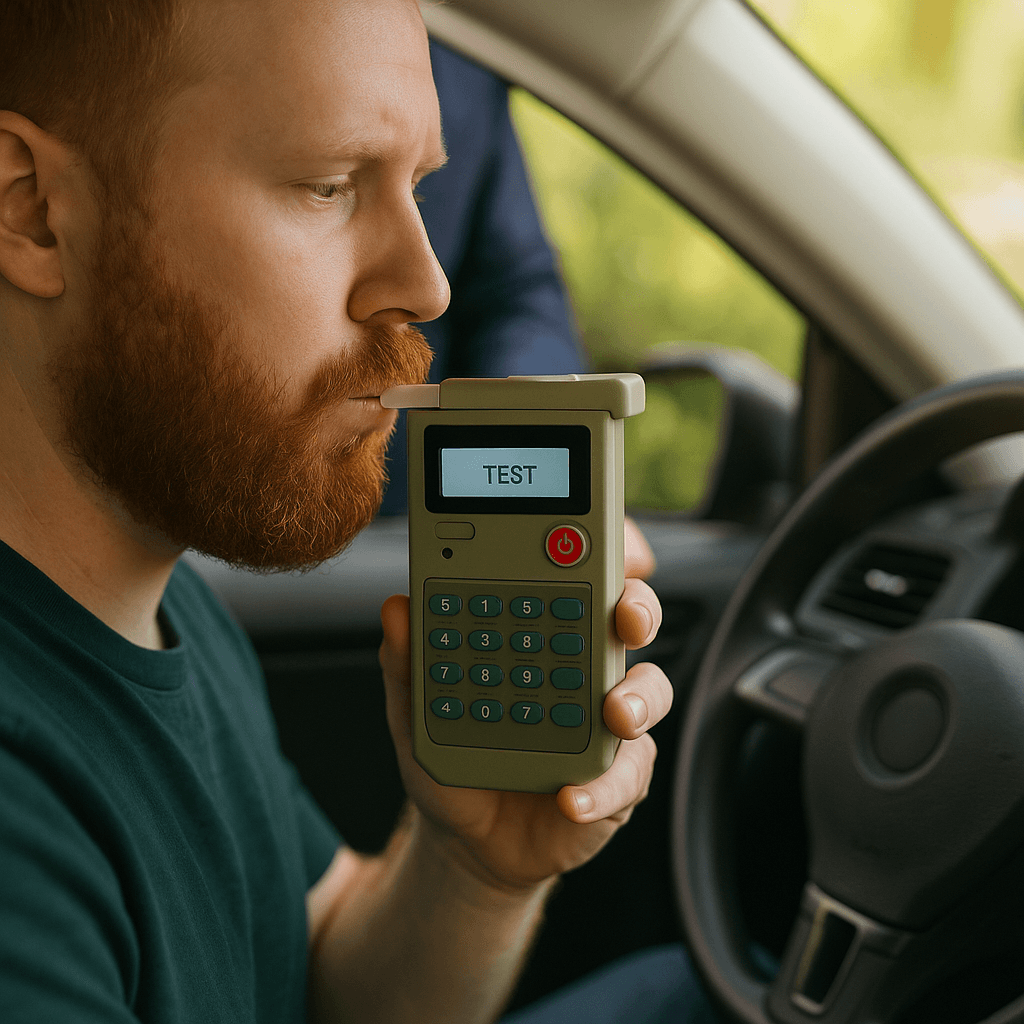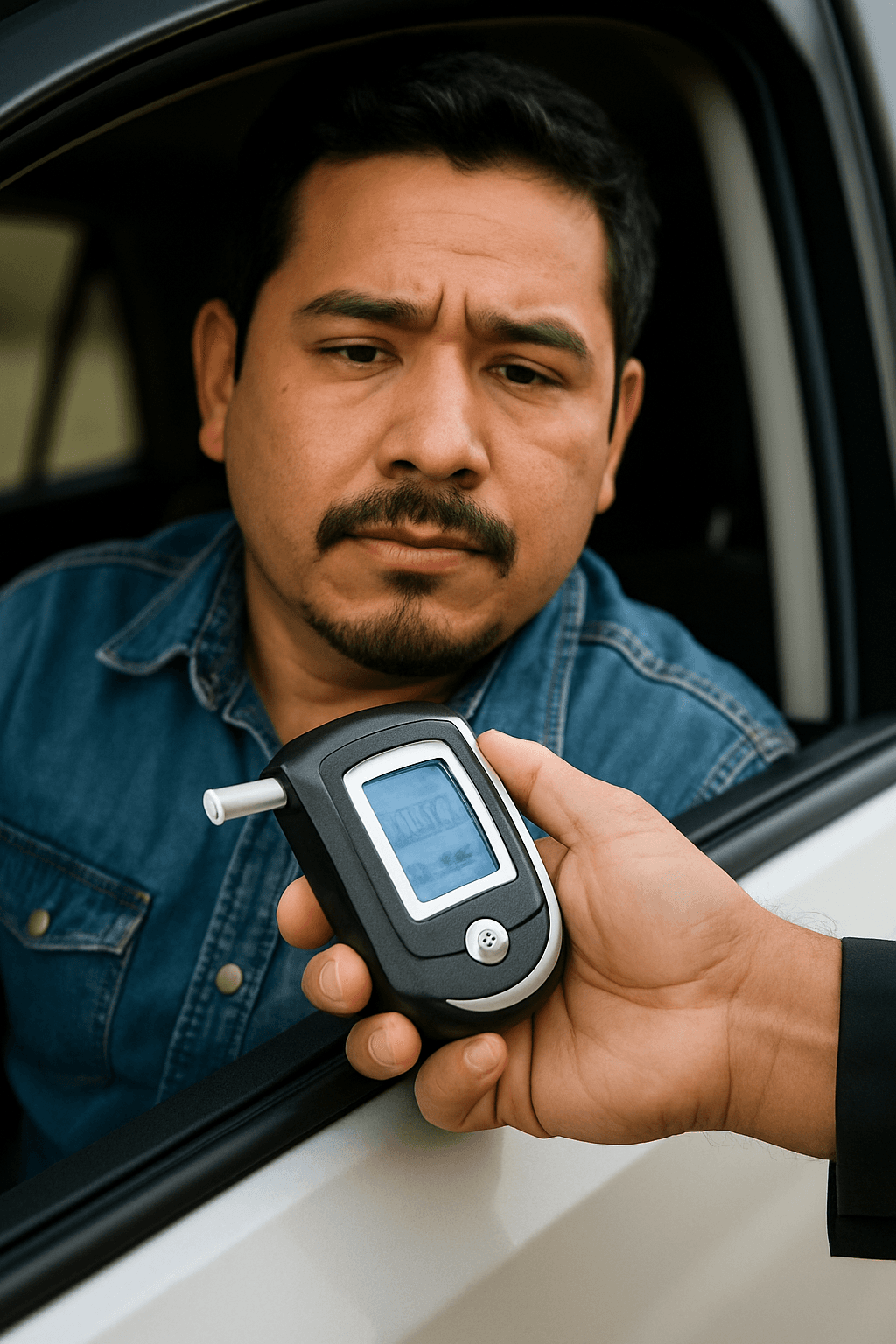
Most drivers budget for the IID installation but miss the calibration appointments every 30-60 days. Those $75-$120 recalibration visits add up faster than the lease itself, and a missed appointment triggers automatic lockout in most states.
What You Actually Pay Each Month for an IID
The ignition interlock device lease runs $70-$100 per month after installation, but that figure excludes the calibration appointments required every 30-60 days depending on your state and monitoring plan. Those recalibration visits cost $75-$120 each and cannot be skipped without triggering automatic device lockout and a violation report to your state licensing agency.
Installation adds $100-$200 upfront, billed separately from the monthly lease. Most providers roll installation into the first month's invoice, creating a $170-$300 first-month cost that catches drivers off guard. The lease itself covers device rental and 24/7 monitoring service, but it does not cover the physical service appointments where a technician downloads data logs and recalibrates the alcohol sensor.
Total monthly cost for a typical monitoring period: $145-$220 when you average out installation, lease, and recalibration visits. Drivers on court-ordered IID programs lasting 12 months pay approximately $1,740-$2,640 over the full compliance period, not including any lockout fees if you miss an appointment or fail a rolling retest.
Why Recalibration Appointments Cost More Than Most Drivers Expect
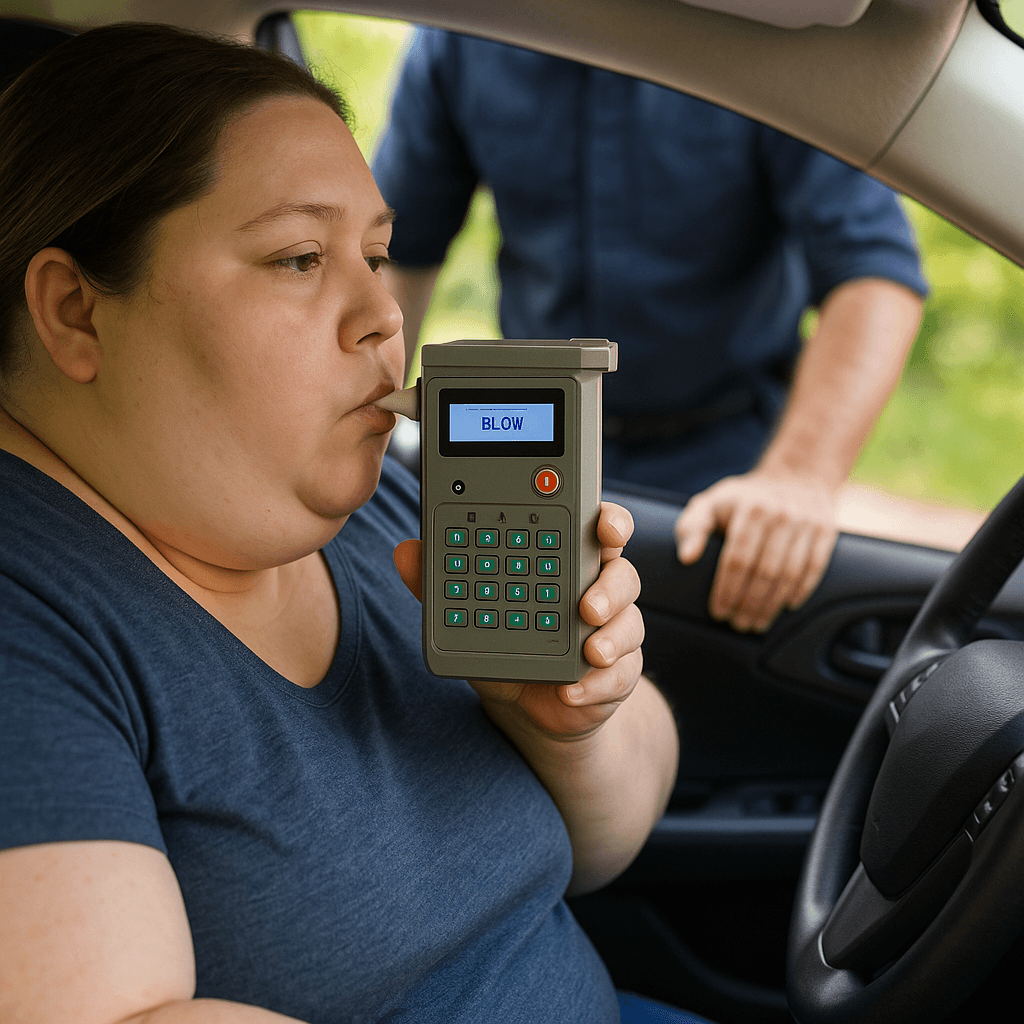
Calibration visits happen at the provider's service center, not your home or workplace. You drive to the center during business hours, wait while the technician downloads breath test logs and recalibrates the sensor, and drive away. Most states require these visits every 60 days for standard programs and every 30 days for high-BAC or repeat-offender cases.
The $75-$120 calibration fee is billed separately from your monthly lease because the visit involves physical technician labor and state-mandated data reporting. Some providers bundle one calibration into the monthly lease for convenience, but most charge per visit. A 12-month IID term with 60-day intervals means six calibration visits at $90 each: $540 on top of the lease.
Missing a scheduled calibration triggers automatic lockout within 24-72 hours. The device will not start your vehicle until you complete the overdue appointment, and the provider files a violation report with your state DMV or court. Reinstatement after a lockout costs $50-$100 and extends your IID term in some states, particularly for hardship license holders whose compliance is monitored more strictly than standard license holders.
Compare car insurance rates in your state
Get quotes from licensed carriers — no obligation, no spam, results in minutes.
Get Your Free Quote✓ No Obligation Required✓ Licensed Carriers Only✓ Available Nationwide✓ Free to Compare
When Your State Requires IID for Hardship License Approval
Court-ordered IID is separate from hardship license IID. If your DUI conviction or reckless driving case included an IID order as part of sentencing, that requirement applies regardless of your license status. But many states also require IID installation before approving a hardship license application, even if the underlying criminal case did not order it.
Texas, Florida, Georgia, and most Midwest states mandate IID for all DUI-related hardship licenses. The device must be installed and operational before your hardship application hearing or before the DMV issues your restricted license. That upfront requirement means you pay installation and the first month's lease before you know whether your hardship petition will be approved.
States that do not require IID for first-offense hardship licenses include California, Oregon, Washington, and New Jersey for non-aggravated cases. If your state does not mandate IID for your specific violation and this is your first offense, you can typically obtain a hardship license without the device. Check your suspension notice or contact your state DMV licensing division to confirm IID requirements before scheduling installation.
How IID Costs Affect Your Insurance Premium
Installing an IID does not directly raise your auto insurance premium, but the violation that triggered the IID requirement already did. DUI convictions increase premiums by 80-150% on average, depending on your state and carrier. The IID itself appears as an endorsement on your policy showing the vehicle is equipped with an alcohol monitoring device.
Some states offer premium discounts for voluntary IID installation beyond the court-ordered period, particularly for drivers on hardship license insurance policies. These discounts rarely exceed 5-10% and apply only after you complete the mandated IID term and choose to keep the device installed as a risk-reduction measure.
SR-22 or FR-44 filing requirements run concurrently with IID installation for most DUI-related hardship licenses. The filing itself costs $25-$50 and adds another layer of monitoring to your policy. Your carrier reports your coverage status to the state every month, and any lapse triggers automatic suspension. Combined with IID monitoring, this creates dual compliance requirements where missing either one revokes your hardship license.
What Happens If You Cannot Afford the Monthly IID Cost
Most states operate indigent IID programs that reduce monthly lease costs to $20-$50 for drivers who qualify based on income. Eligibility typically requires household income below 150-200% of the federal poverty line and supporting documentation like tax returns or benefit award letters.
Apply for the indigent program at the same time you schedule IID installation. Processing takes 10-20 business days in most states, and you pay full cost until approval comes through. Some providers refund the difference retroactively; others apply the subsidy starting the month after approval. Do not skip installation hoping the subsidy will eliminate upfront costs. Your hardship license application will be denied or delayed if the required IID is not already installed.
If you do not qualify for the indigent program and cannot afford the full monthly cost, your options narrow quickly. You cannot obtain a hardship license without the court-ordered or state-mandated IID. Some drivers arrange payment plans with IID providers, spreading installation costs over three months and paying lease monthly, but this still requires $70-$100 per month minimum. Hardship license approval does not waive IID requirements.
Finding Coverage That Meets Your State Filing Requirement
Hardship license insurance must include liability limits that meet or exceed your state's minimum requirements, plus the SR-22 or FR-44 certificate filing if your violation type requires it. Most DUI-related hardship licenses require SR-22 filing for three years from the conviction date, not from the hardship approval date.
Non-owner SR-22 policies work for drivers without a vehicle. These policies provide liability coverage when you drive a borrowed or rented car and satisfy the state filing requirement at lower cost than standard auto policies. Monthly premiums for non-owner SR-22 policies typically run $50-$90 depending on your state and violation history.
Compare quotes from at least three carriers before purchasing. Not all carriers write policies for hardship license holders, and rates vary significantly by company. Carriers that specialize in high-risk auto insurance typically offer better rates for SR-22 filings than standard carriers because they underwrite suspended-license cases regularly and price them more accurately.