Most drivers budget the device rental itself but miss the monthly service fees, calibration visits, and lockout penalties that push ignition interlock costs to $150-$220/month. Here's what each piece actually costs and which carriers bundle coverage into your premium.
What You Actually Pay Each Month for an Ignition Interlock Device
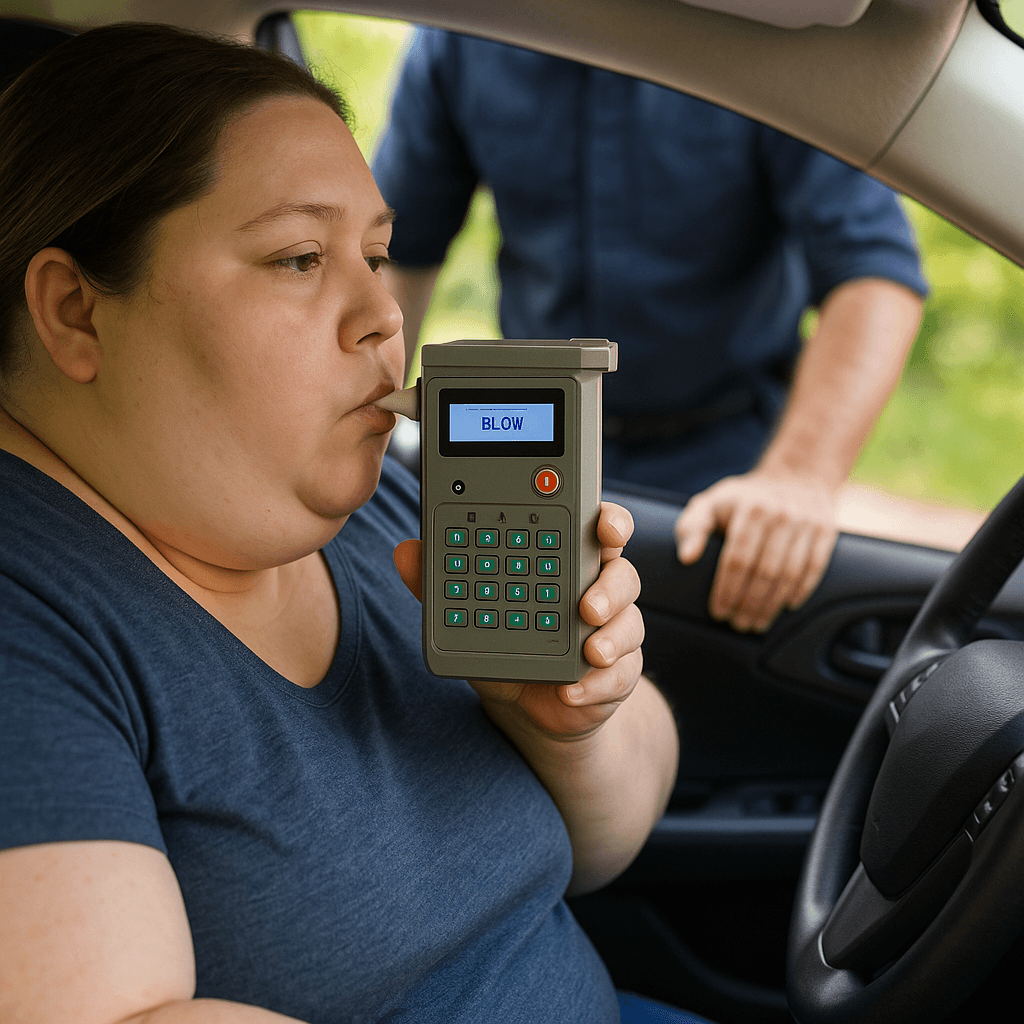
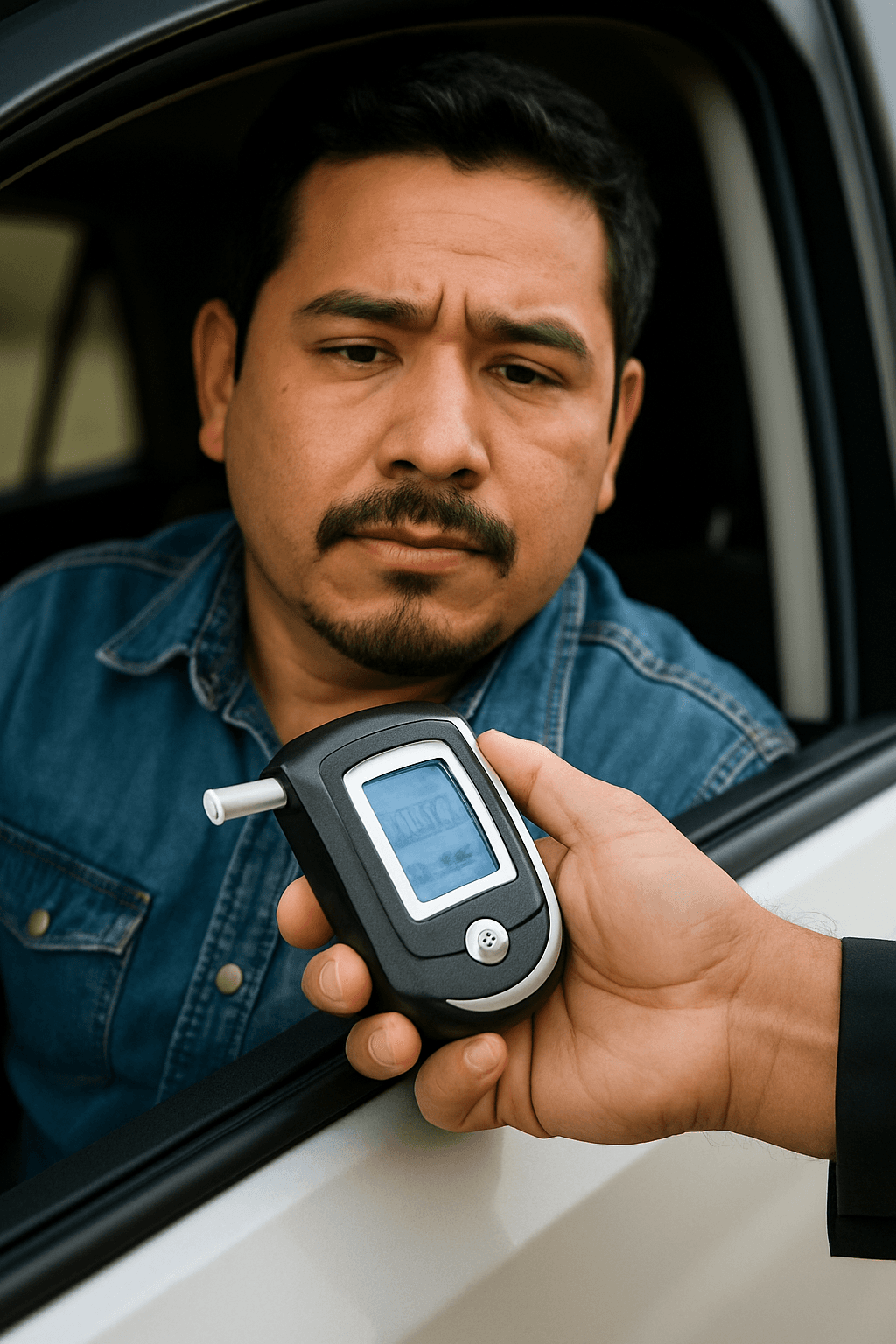
The device rental itself runs $70-$100/month across major providers like Intoxalock, LifeSafer, and Smart Start. Service fees add another $15-$30/month for monitoring and data uploads to your state DMV. Calibration visits occur every 30-60 days depending on state requirements and cost $15-$25 per visit whether you pass or fail. Total monthly cost before any penalties: $100-$155/month.
State programs differ on who pays installation. Some states subsidize installation for low-income applicants; most charge $70-$150 upfront. Removal at the end of your mandated period costs another $50-$100. These are one-time charges but they stack on top of your first and last month's rental cycle.
Lockout penalties reset the cost math immediately. If you miss a calibration window by 24 hours, most providers charge a $50-$75 lockout override fee to restore ignition access. If you trigger a failed breath test and need an early recalibration, that's another unscheduled visit at full price. Drivers with inconsistent schedules or rotating shifts pay more because they miss windows more often.
How Carrier Coverage Affects Your Device Cost Stack
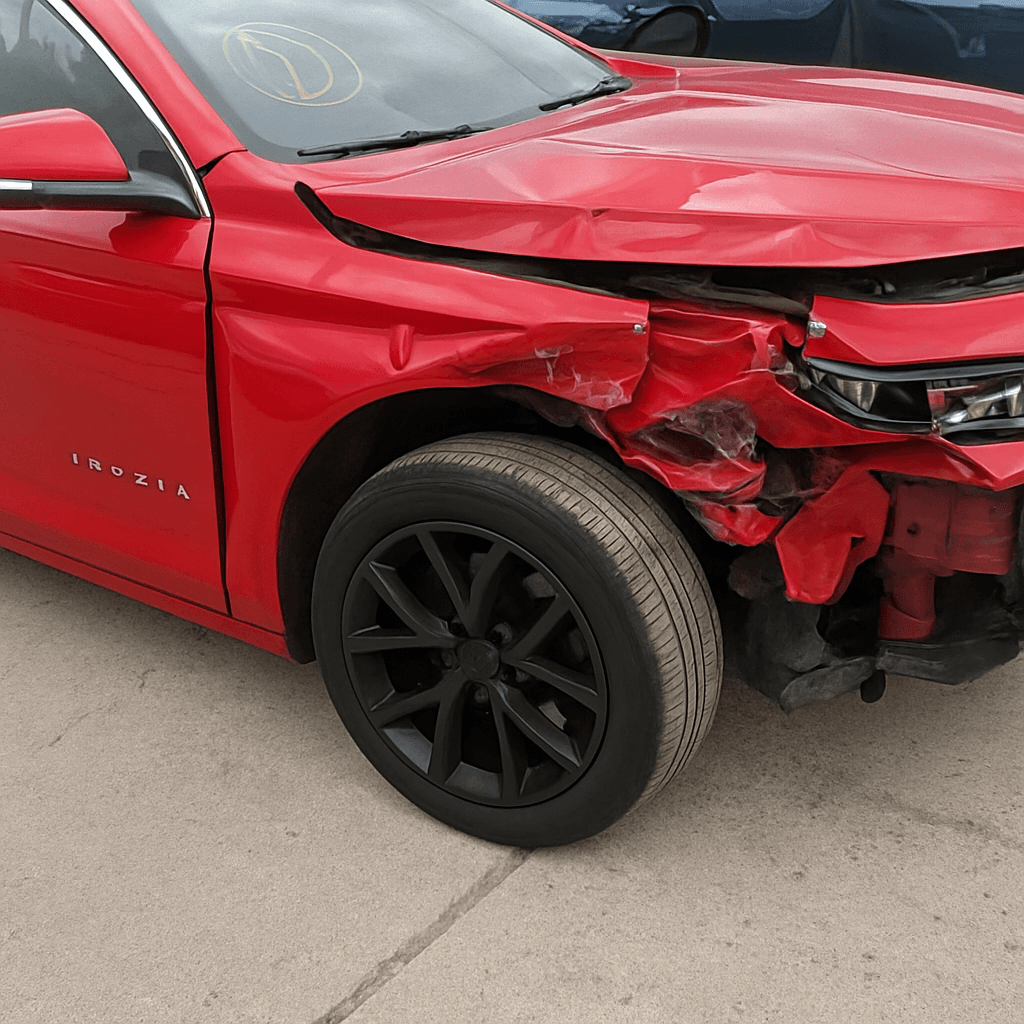
Standard auto policies exclude ignition interlock device damage. If the unit is stolen, vandalized, or damaged in a collision, you owe the provider $800-$1,200 for replacement hardware. Most drivers discover this exclusion only after filing a claim.
Some non-standard carriers offering SR-22 insurance bundle IID damage coverage into the liability policy at no additional premium. Progressive and The General offer this bundling in select states; coverage applies automatically once you confirm device installation with the carrier. Other carriers require a standalone endorsement that costs $10-$25/month and carries a $250-$500 deductible.
Non-owner SR-22 policies complicate this further. If you don't own a vehicle but need an IID installed on a borrowed car or employer vehicle, most carriers will not extend physical damage coverage to a device you don't own. The provider's rental agreement holds you liable for replacement regardless of fault. Verify this before installation — the cost difference between bundled coverage and standalone replacement liability is $120-$300/year.
Compare car insurance rates in your state
Get quotes from licensed carriers — no obligation, no spam, results in minutes.
Get Your Free Quote✓ No Obligation Required✓ Licensed Carriers Only✓ Available Nationwide✓ Free to Compare
State-Specific IID Duration and Monthly Cost Multiplication
Hardship license IID requirements vary widely by state and trigger. First-offense DUI in Arizona requires six months of interlock use; Florida requires six months for first offense but two years for refusal cases. California applies tiered durations: six months for first offense, one year for second, two years for third.
Multiply your state's mandated months by your actual monthly cost including calibration and service fees. A six-month Florida requirement at $130/month totals $780 before installation and removal. A two-year California requirement at $150/month totals $3,600. Most drivers underestimate total program cost by 30-40% because they calculate rental only and ignore the service and calibration stack.
Some states allow early removal if you maintain a violation-free period. Texas allows petition for early removal after half the mandated period if you have zero failed tests and zero missed calibrations. Ohio requires full-term compliance with no early-exit option. Know your state's rules before assuming you can reduce total cost by maintaining a clean record.
Provider Price Differences and Geographic Availability
Intoxalock, LifeSafer, and Smart Start dominate most states but pricing varies by region even within the same provider. Intoxalock charges $85/month in Georgia, $95/month in Pennsylvania, $105/month in California for identical service plans. Installation fees follow the same pattern: $75 in rural counties, $125 in metro areas.
Some states certify only specific providers. New York maintains a short approved-vendor list; drivers in upstate counties may have only one provider within 50 miles. Provider monopolies in low-density areas raise monthly costs by 15-25% compared to competitive metro markets. If your county has one certified installer, you pay their rate or you drive 90 minutes each way for calibration.
Califoraton visits stack cost faster in rural placement. If your nearest certified shop is 60 miles away and your state requires calibration every 30 days, you're adding fuel cost and lost work time to each visit. Some employers will not grant mid-shift leave for calibration appointments. Factor travel and schedule friction into your monthly cost calculation — the sticker price is rarely the full price.
Insurance Premium Impact When You Add an IID Requirement
Carriers treat IID mandates as high-risk signals. Your SR-22 or FR-44 filing already increases your premium 40-90% over standard rates; adding an interlock device requirement pushes it another 10-30% higher. A driver paying $180/month for SR-22 liability in Michigan will pay $200-$235/month once the IID mandate appears on their MVR.
Some non-standard carriers specialize in IID-required policies and price competitively. Bristol West, Acceptance, and Dairyland often quote 20-35% lower than standard-market carriers for the same coverage limits once an interlock requirement is factored in. Shopping matters more at this stage than at any other point in the suspension-to-reinstatement cycle.
Bundling your IID damage coverage into the auto policy instead of buying it as a standalone device protection plan saves $60-$150/year in most cases. Not all carriers offer this bundling. Ask explicitly during the quote process whether physical damage to the interlock device is covered under your comprehensive or collision coverage, or whether you need a separate endorsement. If the agent doesn't know, the answer is usually no.
What Happens When You Can't Afford the Monthly Stack
Missing an IID lease payment triggers lockout within 48-72 hours in most provider contracts. Your vehicle will not start until the account is current. Providers do not offer grace periods; the device disables ignition access automatically when payment processing fails.
Most states do not allow hardship license holders to pause their IID requirement due to financial hardship. If you cannot afford the device, your options are to surrender the hardship license and return to full suspension, or to find a payment assistance program. Some states offer low-income IID subsidies that reduce monthly costs by 30-50%; eligibility is usually tied to household income below 200% of federal poverty guidelines.
Washington, Oregon, and Colorado operate state-funded IID subsidy programs. Application requires proof of income, proof of hardship license approval, and sometimes proof of employment or childcare need. Approval takes 15-30 days in most counties. If your state does not offer a subsidy program and you cannot afford the device, you may need to explore reinstatement without a hardship license instead.