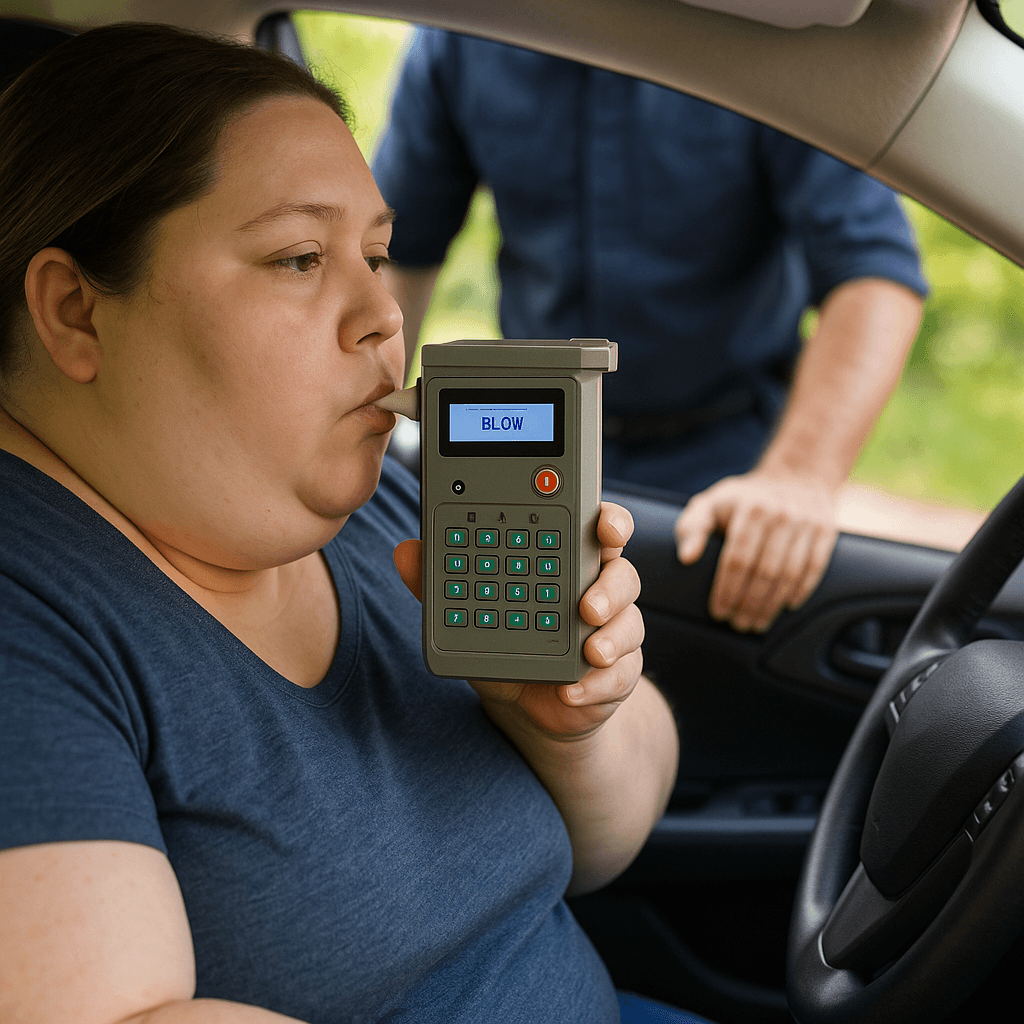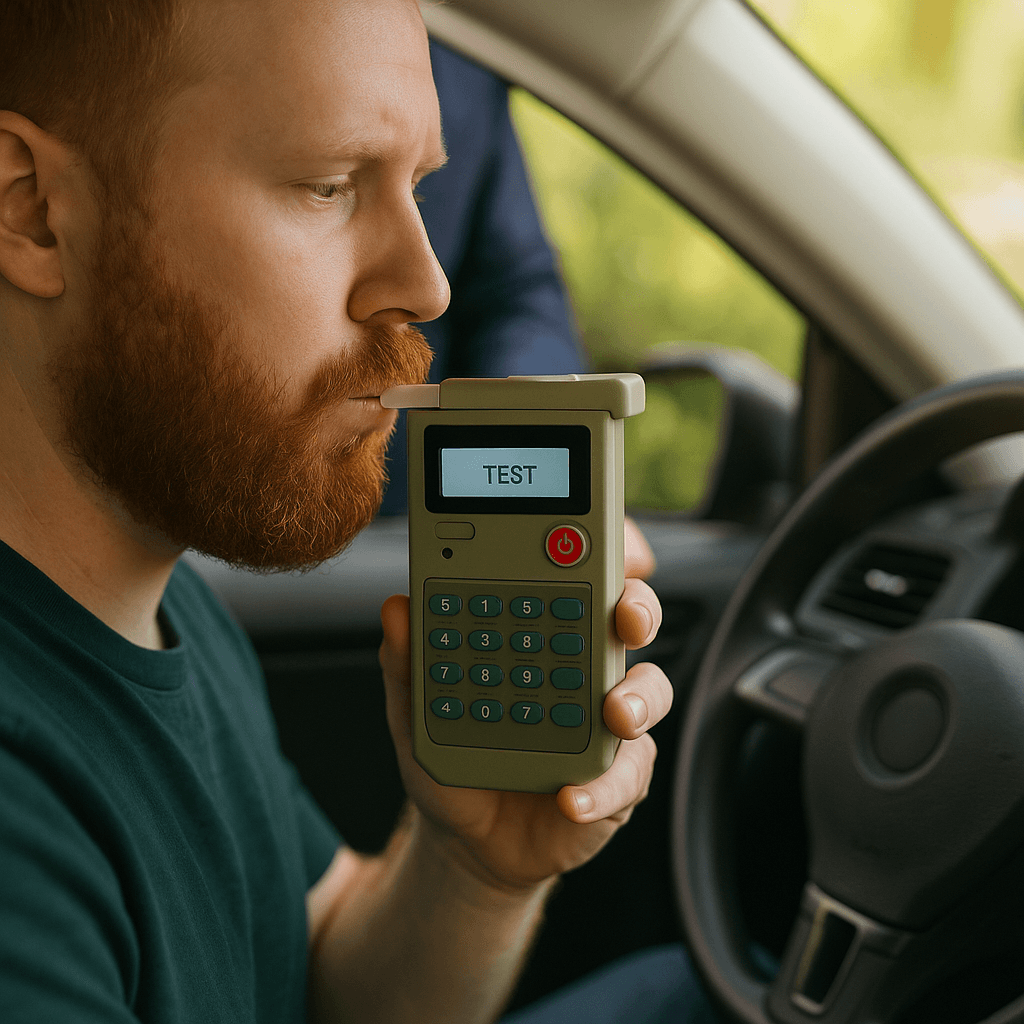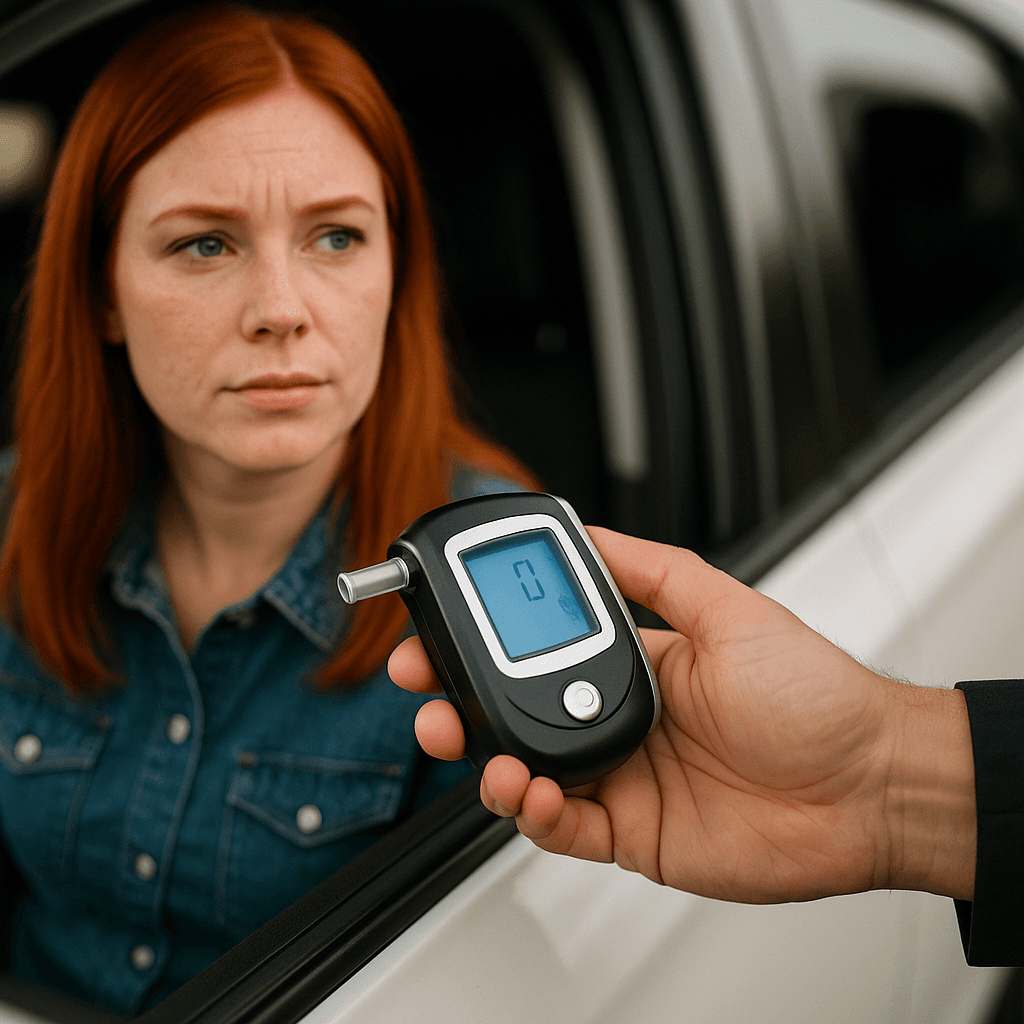
Most states require IID installation before they issue your hardship license, not after. The timing determines whether you can drive legally on day one or sit suspended for another 14-21 days waiting for provider scheduling.
Which Comes First: IID Installation or Hardship License Approval?
The sequence depends entirely on your state's hardship program structure. IID-first states require proof of installation before they process your hardship application. You schedule the install, pay the provider, complete the calibration appointment, and receive your compliance certificate — only then does the DMV or court accept your hardship petition. Examples include Arizona, Ohio, and Texas for most DUI-related hardship programs.
Approval-first states issue the hardship license or court order first, then require IID installation within a specified window (typically 10-30 days). You receive conditional approval to drive for work or treatment purposes, but that approval is contingent on timely installation. Florida, Illinois, and Wisconsin follow this model for most occupational license programs.
A third category exists: simultaneous-track states where the hardship application and IID installation proceed in parallel, converging at a final compliance review. Georgia and Indiana use this structure for certain restricted permit types. The distinction matters because missed sequencing in any category can void your approval, restart your waiting period, or trigger contempt findings if a court issued the order.
Why IID-First States Require Installation Before Application
IID-first states treat the device as a prerequisite for eligibility, not a post-approval obligation. The hardship license exists to allow restricted driving under continuous monitoring. If you cannot demonstrate monitoring capability at the time of application, the state views your petition as premature.
Arizona's Motor Vehicle Division will not process an Ignition Interlock Restricted Driver License application without an IID compliance affidavit signed by a state-certified provider. The affidavit proves the device is installed, calibrated, and reporting data to the state's monitoring system. Ohio's Bureau of Motor Vehicles requires an Interlock Condition Certificate (form BMV5502) before issuing an occupational license for alcohol-related suspensions. Texas courts hearing occupational license petitions demand an IID Installation Verification Form before the hearing date — showing up without it results in automatic continuance, delaying your license by 30-60 days depending on docket availability.
The procedural logic: these states want real-time sobriety data from day one of restricted driving. Approving the license before installation creates a compliance gap the state cannot monitor. From the DMV's perspective, that gap is a liability exposure the program will not accept.
Compare car insurance rates in your state
Get quotes from licensed carriers — no obligation, no spam, results in minutes.
Get Your Free Quote✓ No Obligation Required✓ Licensed Carriers Only✓ Available Nationwide✓ Free to Compare
How Approval-First States Handle the Installation Window
Approval-first states issue the hardship license or occupational permit with an explicit IID installation deadline embedded in the order. Florida's Business Purpose Only license for DUI suspensions includes a 10-day installation requirement: you receive the restricted license immediately upon approval, but driving without the IID after day 10 voids the license and triggers a violation-of-restriction suspension.
Illinois grants Restricted Driving Permits with a 14-day IID installation window. The Secretary of State's office mails the permit; you have 14 calendar days from the issue date (not the date you receive it in the mail) to complete installation and file the provider's Certificate of Installation. Wisconsin's Occupational License for OWI offenders includes a 30-day installation grace period, but the clock starts the day the court signs the order, not the day you pick up the paperwork.
The critical failure mode: drivers in approval-first states assume they can drive restriction-compliant during the installation window. That assumption is half-correct. You can drive for the approved purposes listed in your order (work, treatment, court-ordered programs), but if a traffic stop reveals no IID and you are beyond the installation deadline, the stop becomes a violation-of-restriction charge. Most approval-first states treat this as a probation violation if your hardship license was issued as part of a DUI sentence. The new charge restarts your suspension at the full statutory term, and the original hardship license is revoked.
What Happens If You Reverse the Sequence in Your State
Install the IID before filing in an approval-first state: minimal consequence. You paid for the device earlier than required, but the approval process proceeds normally. The provider's installation certificate becomes part of your compliance documentation.
File the application before installing in an IID-first state: your application is rejected or held incomplete until you provide the installation certificate. Arizona marks the application "deficient" and returns it unprocessed. Ohio's BMV places it in pending status but does not assign a review date until you submit the missing form. Texas courts continue the hearing to a future docket, often 4-6 weeks out depending on county workload. You lose weeks or months of potential restricted driving time because you filed too early.
Drive on an approval-first hardship license after the installation deadline passes without completing the install: your hardship license is void. The next traffic stop results in a driving-while-suspended charge. If the original suspension was DUI-related and your hardship was part of probation terms, the new charge triggers a probation violation hearing. In most states, that violation results in full revocation of the hardship license and reinstatement of the original suspension at the full remaining term.
How to Determine Your State's Sequence Before You Apply
Check your suspension notice or court order first. IID-first states typically include language like "IID installation required prior to eligibility" or "proof of installation must accompany application." Approval-first states use phrasing like "IID installation required within [X] days of issuance" or "device must be installed no later than [date]." The notice language is legally binding — it defines the sequence your state expects.
If your suspension notice does not specify sequence, call the hardship program office directly. In IID-first states, this is typically the DMV's administrative hearings unit or the ignition interlock program office. Ask: "Do I need the device installed before I file my application, or after I receive approval?" In court-issued hardship states like Texas, contact the county clerk's office that handles occupational license petitions and ask the same question. Court clerks field this question daily and will tell you what documentation the judge expects at the hearing.
For states where hardship is granted through DMV administrative process, download the application form from the state's DMV website. The form checklist section will list required attachments. If "IID installation certificate" or "interlock compliance affidavit" appears in the checklist, your state is IID-first. If the form includes a section titled "Post-Approval Requirements" or "Compliance Deadlines" that references IID installation, your state is approval-first.
What It Costs to Get the Sequence Wrong
File too early in an IID-first state and your application is rejected: you lose the application fee (typically $50-$150 depending on state) and must refile after installation. Some states allow refiling without a second fee if you correct the deficiency within 30 days, but many do not. Arizona charges $25 for a resubmission after a deficiency rejection; Texas courts charge a second filing fee if you miss the hearing due to lack of documentation.
Drive without IID after the installation deadline in an approval-first state: you face a violation-of-restriction charge, which in most states is a misdemeanor carrying $500-$1,500 in fines, possible jail time (10-90 days depending on state and violation count), and automatic hardship license revocation. The new charge restarts your suspension. If the original suspension was a 1-year DUI suspension and you had 8 months remaining when you received the hardship license, the violation-of-restriction charge typically restarts the clock at 12 months from the new violation conviction date.
IID installation itself costs $70-$150 upfront, plus $60-$90/month for monitoring and calibration over the required installation period (12-36 months depending on state and violation). Missing the installation window does not reduce the required installation period — it extends the total time you are under restriction.
Insurance Filing Requirements During the IID Window
Most states that mandate IID for hardship licenses also require SR-22 or FR-44 filing. The filing is separate from the IID requirement, but both must be active before your restricted driving privileges begin. In IID-first states, you typically file SR-22 before or concurrent with IID installation. The hardship application requires proof of both: an SR-22 certificate from your insurer and an IID installation certificate from your device provider.
In approval-first states, SR-22 filing is usually required before the hardship license is issued, but the IID installation can follow within the specified window. Florida requires SR-22 filing as a condition of reinstatement eligibility, meaning the filing must be active before the state will consider your Business Purpose Only license application. Wisconsin requires SR-22 at the time of Occupational License issuance but allows the 30-day IID installation window to follow.
If you do not own a vehicle, non-owner SR-22 insurance meets the filing requirement in all states. The non-owner policy provides liability coverage when you drive a borrowed or rental vehicle, and it satisfies the state's proof-of-insurance mandate for hardship license eligibility. Pair it with IID installation on the vehicle you will actually drive for work or treatment purposes.