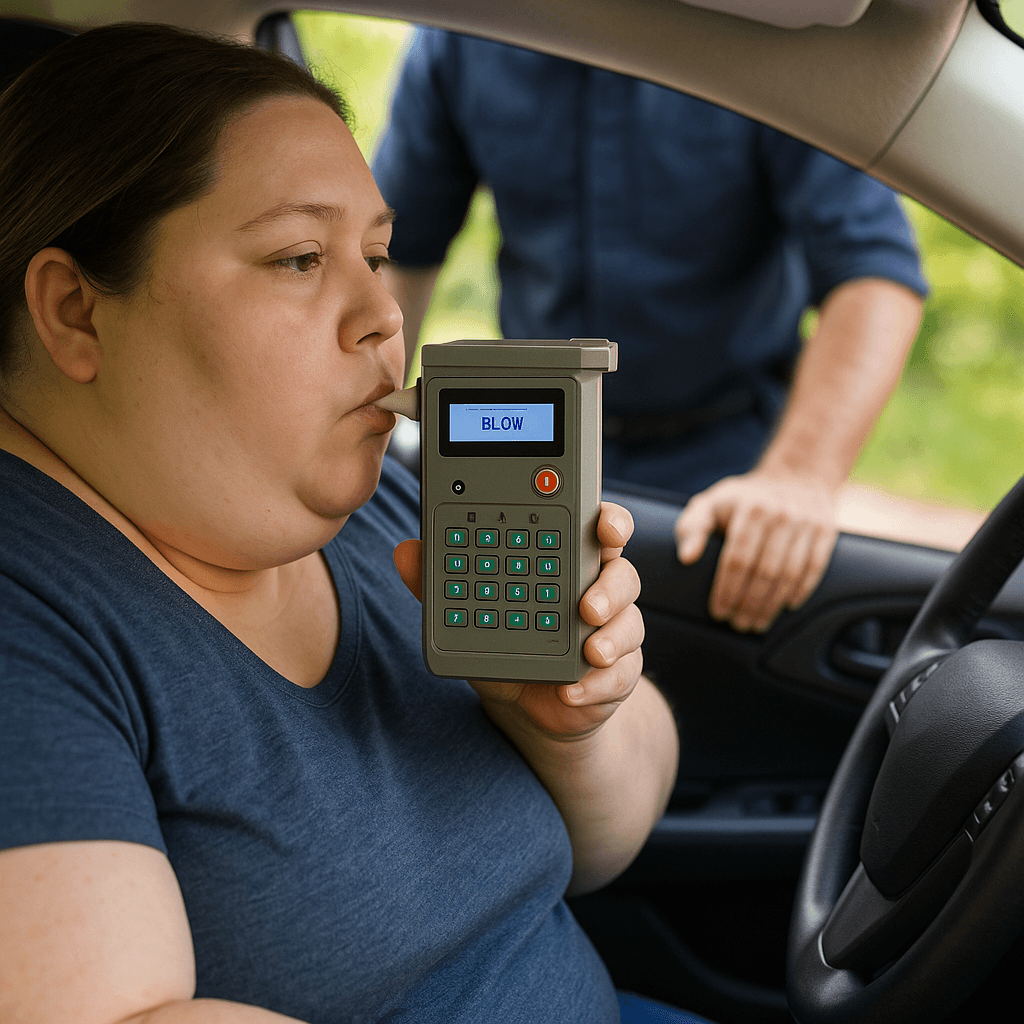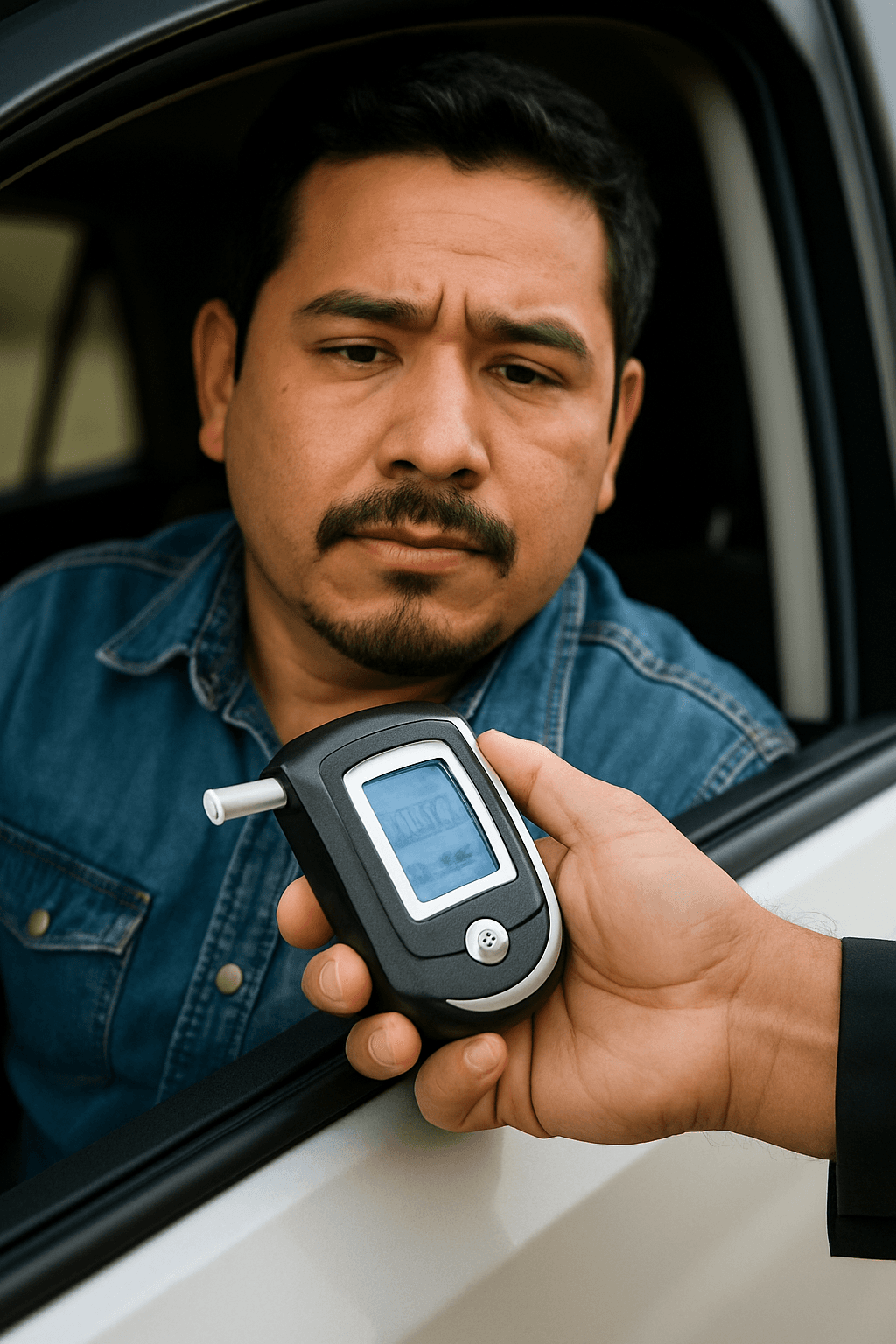
You've been approved for a hardship license but the ignition interlock device installer just quoted $150-$300 upfront, and your insurance carrier said they don't cover equipment. This breakdown shows what you pay directly, what insurance might cover, and where the confusion comes from.
What the IID Installer Charges You Directly
Installation fees run $70–$150 in most states, paid to the certified installer before the device goes in your vehicle. Monthly lease or monitoring fees add another $60–$90, billed directly by the IID provider throughout your hardship license period. Calibration visits every 30–60 days cost $10–$30 per visit, again paid directly to the installer. Removal fees at the end of your hardship period typically match installation costs.
No insurance carrier reimburses these fees. The installer bills you, not your insurer. State hardship programs sometimes offer indigent driver subsidies for installation—Texas, California, and Washington maintain vendor lists with reduced-cost options for documented financial hardship—but these are state-administered, not insurance products.
The total IID cost over a typical 6-month hardship period runs $600–$900 when you account for installation, monthly fees, calibration visits, and removal. Over 12 months, expect $1,100–$1,600. This is separate from your insurance premium entirely.
What Your Insurance Policy Actually Covers
Your liability insurance covers bodily injury and property damage you cause while driving with the IID installed. Collision and comprehensive coverage, if you carry them, cover damage to your own vehicle regardless of IID presence. The IID does not change what your policy pays for in a claim—it changes what you pay to maintain the policy.
Carriers adjust premiums to reflect the DUI conviction or suspension trigger that made the IID mandatory. That premium increase reflects actuarial risk, not the IID equipment itself. Some drivers interpret this as the carrier "covering" the IID cost because the premium went up after the IID requirement appeared. The increase and the requirement correlate, but the premium pays for insurance coverage, not device lease.
If the IID malfunctions and prevents a legitimate engine start, causing you to miss work, your auto policy does not cover lost wages. If the IID sustains physical damage in a covered collision, your collision coverage may pay to repair the vehicle's ignition system, but the IID provider holds you liable for device replacement under the lease agreement you signed at installation.
Compare car insurance rates in your state
Get quotes from licensed carriers — no obligation, no spam, results in minutes.
Get Your Free Quote✓ No Obligation Required✓ Licensed Carriers Only✓ Available Nationwide✓ Free to Compare
Why the Confusion Exists Between Coverage and Reimbursement
State DMV paperwork often uses the phrase "proof of insurance with IID endorsement." Drivers read "endorsement" and assume it means the carrier will pay for the device. The endorsement is an SR-22 or FR-44 certificate that confirms your policy meets state liability minimums and acknowledges IID installation—it does not authorize payment for the device.
Some carriers offer ignition interlock insurance as a separate product. This is not standard auto insurance. It is specialized liability coverage designed for drivers during restricted driving periods, sometimes bundled with non-owner policies for drivers without a vehicle. The premium for this product reflects high-risk underwriting, but it still does not reimburse IID hardware costs.
A few carriers market "IID-friendly" policies or advertise that they "work with" IID-required drivers. This means they will issue a policy and file the required certificate despite the DUI conviction—not that they subsidize installation. The marketing language implies financial help; the policy terms do not provide it.
State-Specific Financial Assistance Programs for IID Costs
California operates an IID Pilot Program under Vehicle Code 13386 that subsidizes installation and monthly fees for drivers whose income falls below 250% of the federal poverty level. Eligible drivers submit proof of income to the IID installer; the state reimburses the vendor directly. The subsidy covers installation entirely and reduces monthly fees to approximately $20–$30.
Texas counties with indigent driver programs allow judges to waive hardship license fees and refer approved petitioners to reduced-cost IID vendors. The Texas Department of Public Safety maintains a list of vendors who agreed to charge no more than $70 for installation when the court issues a fee waiver. Monthly fees still apply, but the upfront barrier drops significantly.
Washington State's Ignition Interlock Device Vendors list includes a "24/7 Sobriety Program" option in some counties, which substitutes twice-daily breathalyzer testing for IID installation. The testing program costs approximately $5 per day—higher monthly than IID lease fees—but eliminates the upfront installation charge. Eligibility depends on county participation and judge approval.
How Premium Increases and IID Costs Stack During the Hardship Period
A driver in Texas with a first DUI conviction faces a 3-year SR-22 filing requirement. If they obtain a 12-month occupational license (Texas's term for hardship license), they pay IID costs only during those 12 months, but the SR-22 premium increase lasts the full 3 years. Monthly premiums during the SR-22 period typically run $140–$220 for liability-only coverage, compared to $60–$90 pre-conviction.
The IID lease adds $60–$90/month during the 12-month hardship period. Total monthly outlay during that year: $200–$310 for insurance plus IID. After the hardship license converts to full reinstatement, the IID lease ends, but the elevated SR-22 premium continues for the remaining 2 years.
Drivers who assume the premium increase "pays for" the IID miscalculate total cost. The premium increase reflects underwriting risk and persists long after the device is removed. Budgeting separately for insurance and IID costs produces accurate financial planning. Conflating them produces shortfalls when the IID bill arrives.
What Happens If You Cannot Afford the IID Installation Upfront
State hardship programs do not waive the IID requirement if you cannot afford installation—they deny the hardship application or suspend the restricted license until compliance. California and Washington offer the subsidy programs described above. Texas allows payment plans through some vendors, but the device will not be installed until the first payment clears.
Some drivers attempt to satisfy the IID requirement by installing the device but disconnecting it or bypassing it after the initial compliance check. State monitoring systems flag tampering, failed starts, and missed calibration appointments. A single missed calibration triggers automatic hardship license revocation in most states. The savings from avoiding monthly fees disappears when the revocation extends your full suspension period by 6–12 months.
If the IID cost genuinely exceeds your budget, the alternative is to serve the full suspension period without a hardship license. A 6-month full suspension costs nothing in IID fees but eliminates all driving privileges. A 6-month hardship license with IID costs $400–$600 in device fees plus elevated premiums, but allows restricted driving to work, school, and medical appointments. The financial trade-off depends on whether restricted driving enables income you would lose during full suspension.