Most ignition interlock installations fail inspection because the driver didn't bring the right paperwork or didn't understand the calibration schedule their state requires. Here's what actually happens at the appointment and how to pass the first time.
The Installer Verifies Your Court Order Before Touching Your Vehicle
Your installer will not begin work until they confirm your court order or DMV notice matches their state-certified device inventory. Most state programs require installers to photograph the serial number on the device, the serial number on your paperwork, and your driver's license before starting the installation. If the court order lists a different manufacturer than the shop stocks, the appointment ends and you reschedule with a different installer.
Bring the original court order or DMV hardship license approval letter. A photocopy works in some states but not all. Texas and Florida installers specifically require original signatures on judicial orders. If you received your approval electronically, print the full PDF including the issuing agency's letterhead and any case number or docket reference.
The installer submits compliance reports to your monitoring authority under penalty of perjury. If the paperwork doesn't match, they cannot legally complete the installation. Most rejected appointments happen because drivers bring an outdated court document or confuse their hardship license approval with the separate IID installation order.
Installation Takes 60 to 90 Minutes and You Cannot Leave
The physical installation averages 75 minutes. The technician mounts the handheld unit to your dashboard, runs wiring to the ignition system, installs the camera if your state requires photo verification, and connects the device to the vehicle's electrical system. You must stay with the vehicle throughout the process because the technician will train you on device operation before releasing the vehicle.
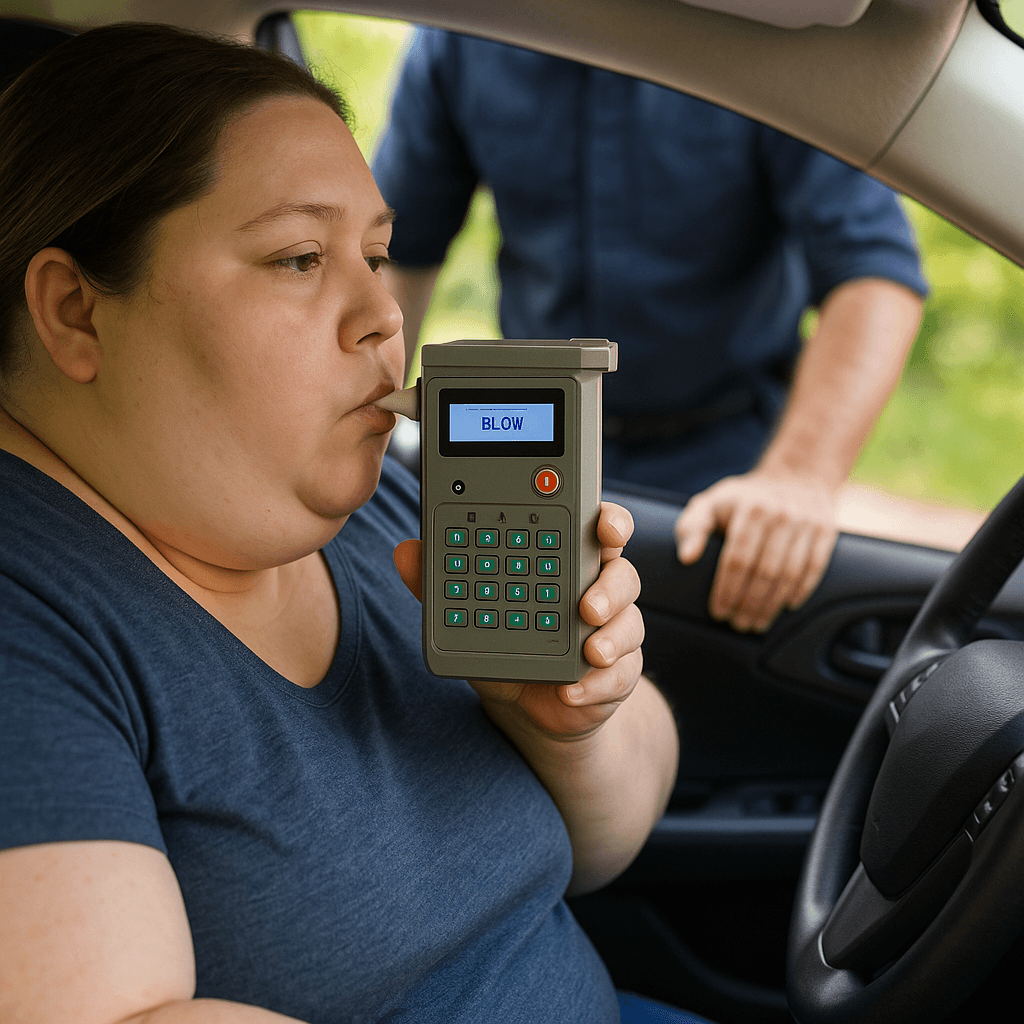
Training includes how to provide a valid breath sample, what the rolling retest warning sounds like, how to interpret lockout codes, and what triggers a violation report. Most state programs require you to sign a training acknowledgment form before leaving. If you refuse training or leave early, the installer marks the appointment incomplete and your monitoring period does not begin.
Schedule the appointment when you have at least two hours of uninterrupted time. Shops do not allow you to drop the vehicle and return later. The installer needs you present to verify the device works with your breathing pattern and to confirm you understand the violation consequences.
Compare car insurance rates in your state
Get quotes from licensed carriers — no obligation, no spam, results in minutes.
Get Your Free Quote✓ No Obligation Required✓ Licensed Carriers Only✓ Available Nationwide✓ Free to Compare
What You Must Bring to the Appointment
Bring your valid driver's license or hardship license, the original court order or DMV approval letter, proof of vehicle ownership or a notarized letter from the registered owner authorizing installation, and payment for the installation fee. Installation fees typically range from $70 to $150 depending on the state and device manufacturer.
If you do not own the vehicle, most states require the registered owner to sign a consent form acknowledging the device will be installed and that removal without authorization violates the monitoring program. Some states require the owner to appear in person at the installation appointment. Texas and Arizona specifically require notarized owner consent if the driver is not listed on the vehicle title.
Bring a method of payment that the shop accepts. Most installers do not accept personal checks for first-time installations. Cash, debit card, and major credit cards work at most locations. If your state allows payment assistance for low-income drivers, bring documentation of your eligibility determination before the appointment.
The Device Connects to State Monitoring Systems Immediately
Modern interlock devices transmit data wirelessly to your state's monitoring authority within 24 hours of installation. Older systems require you to bring the device to the installer every 30 days for a manual data download. Your installer will tell you which system your state uses and whether your device has cellular connectivity.
Your monitoring period begins the day the installer submits the installation report to the state, not the day you received your hardship license. If you delay scheduling the installation for two weeks after your license approval, those two weeks do not count toward your required monitoring period. Most state programs require installation within 10 to 30 days of approval or the hardship license is automatically suspended.
The device logs every ignition attempt, every breath test result, every rolling retest response, and every tamper event. Failed breath tests, missed rolling retests, and attempts to start the vehicle without providing a sample all generate violation reports. Most state programs allow one to three violations before triggering a hearing. The fourth violation typically results in immediate license re-suspension and extension of your monitoring period.
Calibration Appointments Are Not Optional
You must return to the installer every 30 to 60 days for recalibration and data review. Most states require recalibration every 60 days. High-violation states like Arizona and Florida require every 30 days. Missing a calibration appointment by even one day generates an automatic violation report.
The installer downloads your violation history, reviews any failed tests or missed rolling retests, recalibrates the sensor to maintain accuracy, and submits a compliance report to your monitoring authority. If your violation count exceeds your state's threshold, the installer notifies you at the appointment that a hearing is likely. Some installers are required to disable the device immediately if you arrive with an active suspension or arrest warrant in the system.
Calibration fees range from $60 to $100 per appointment depending on the state and installer. Over a two-year monitoring period, total interlock costs including installation, monthly monitoring fees, and recalibration typically range from $1,800 to $3,600. Budget for this expense before committing to a hardship license with an IID requirement.
What to Do About Insurance Once the Device Is Installed
Most hardship license programs require you to carry SR-22 insurance continuously throughout your monitoring period. SR-22 is not a separate insurance policy. It is a certificate your insurer files with the state DMV certifying you carry at least your state's minimum liability coverage. If your policy lapses or cancels, your insurer notifies the DMV within 24 hours and your hardship license is suspended immediately.
Not all insurers write policies for drivers with interlock devices. Carriers that specialize in high-risk drivers typically offer the best rates for IID-equipped vehicles. Monthly premiums for interlock-required drivers range from $140 to $280 depending on your state, your violation history, and whether you own the vehicle. Non-owner SR-22 policies cost less but only cover you when driving someone else's vehicle.
Your insurer does not monitor your interlock compliance. The device and the insurance filing are separate requirements enforced by different agencies. Both must remain active throughout your monitoring period. If either lapses, your hardship license is revoked and your reinstatement timeline resets.