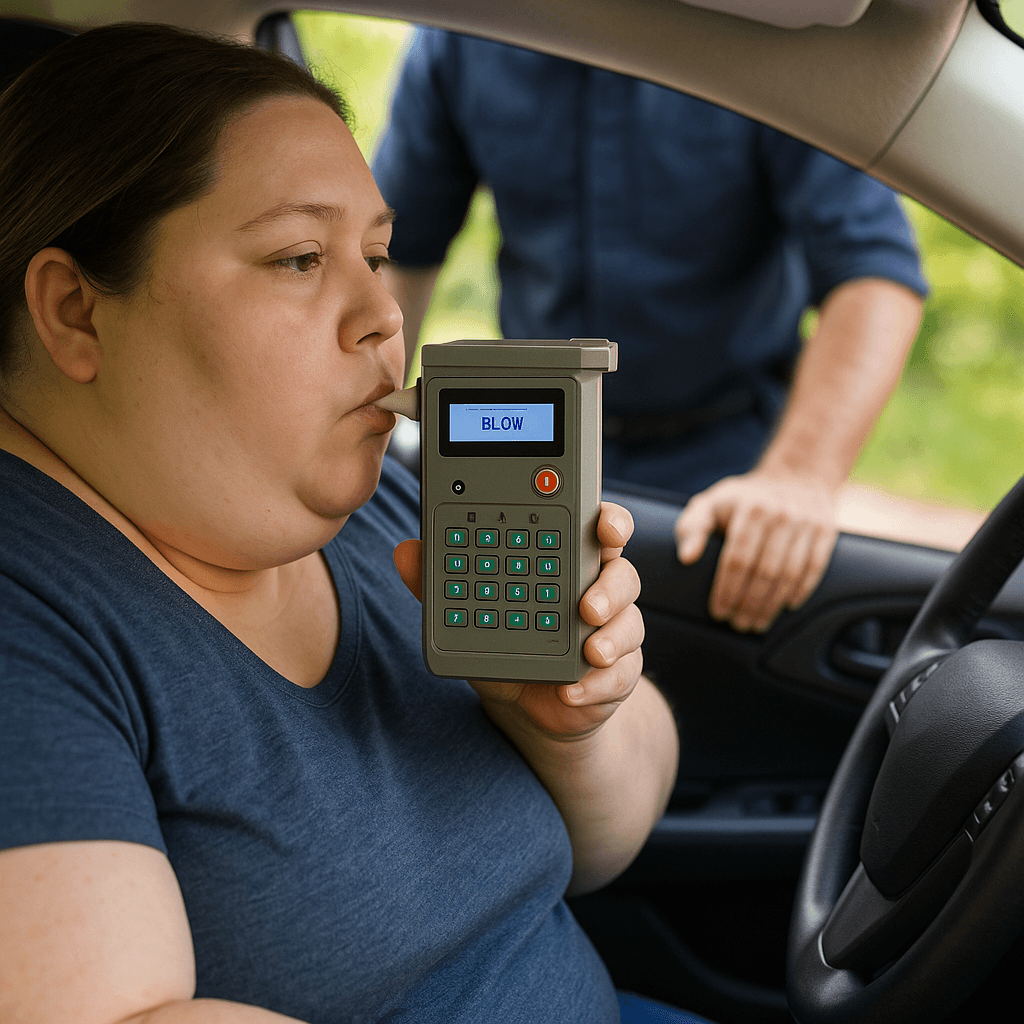
States mandate identical ignition interlock technology but charge wildly different installation, monthly, and removal fees. The device itself costs the same—your state's vendor monopoly structure and mandated service frequency explain the difference.
Why the Same Device Costs $50/Month in One State and $150 in Another
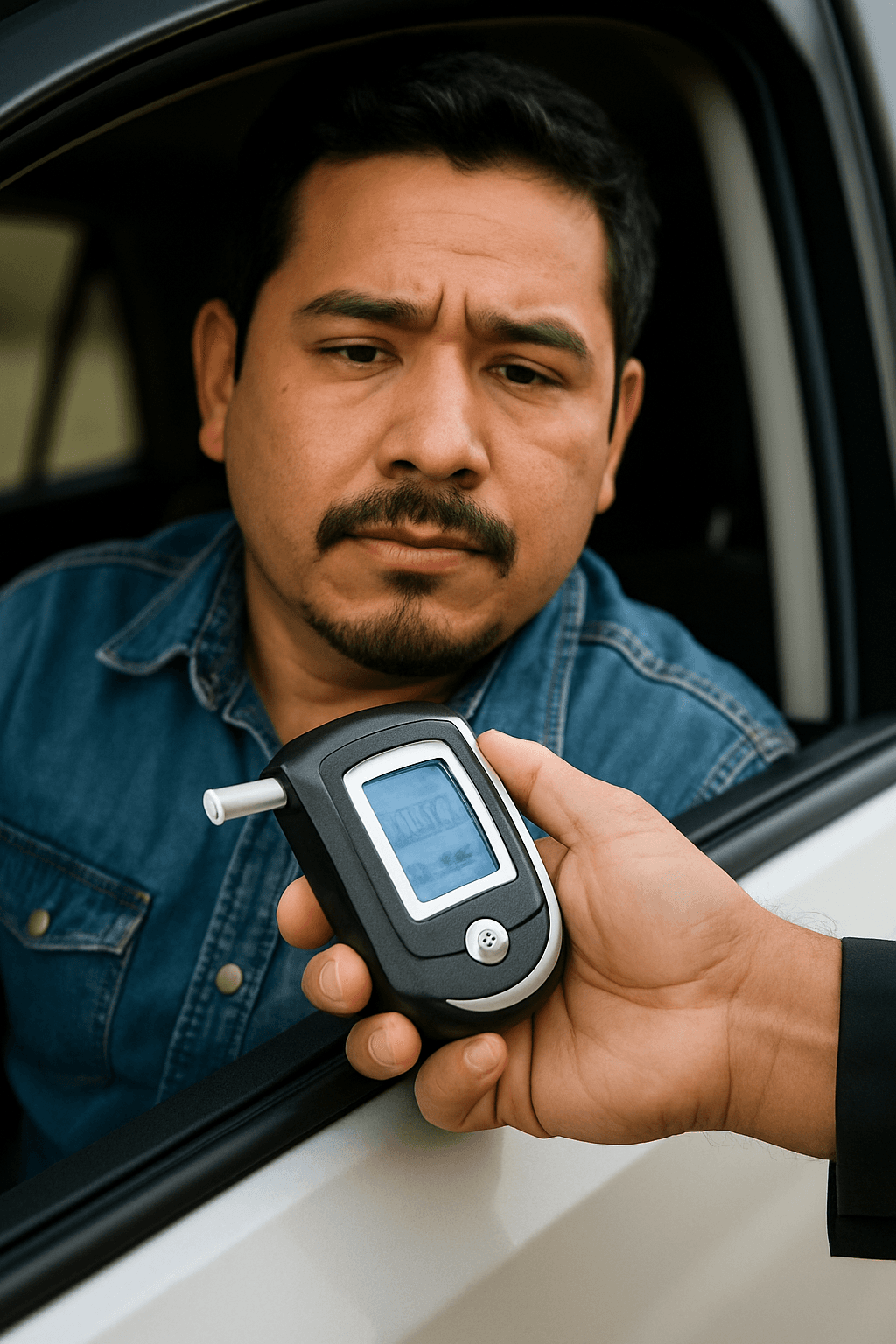
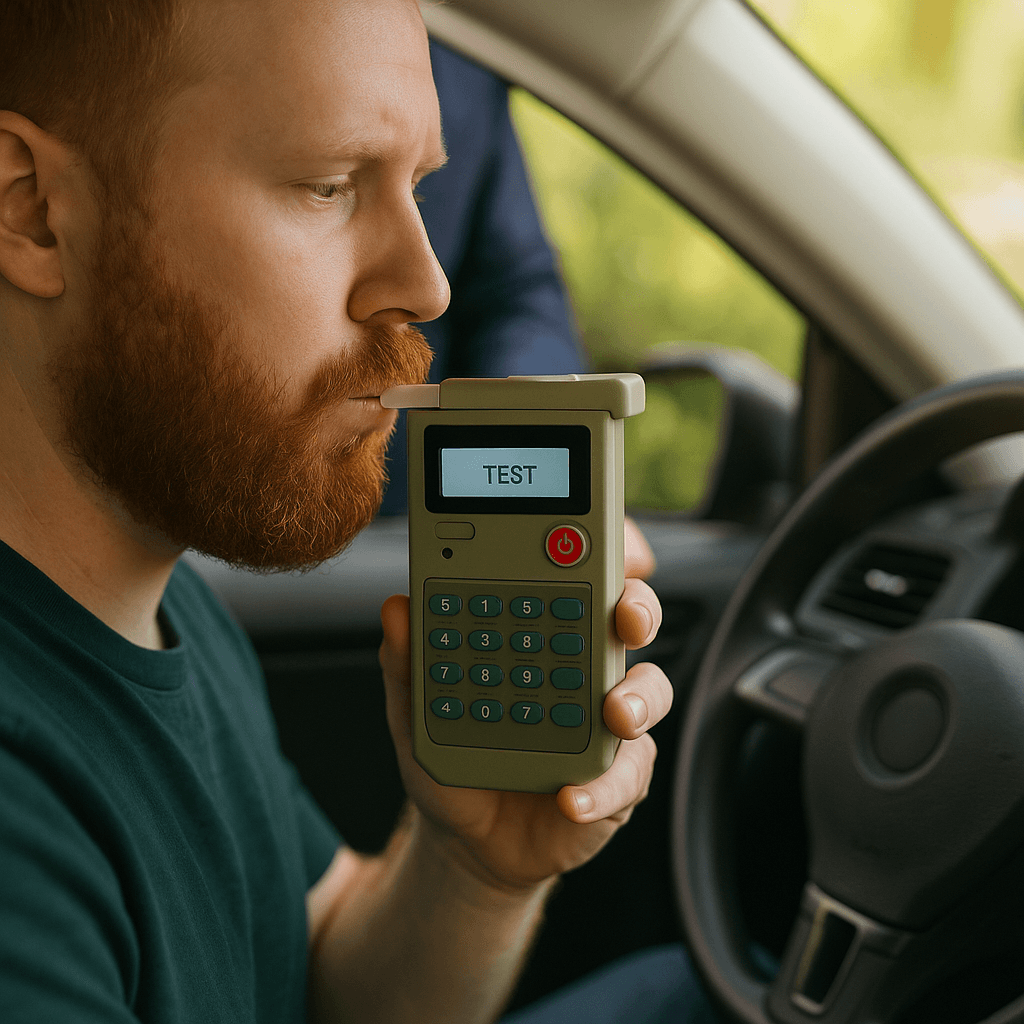
The ignition interlock device itself is manufactured by the same handful of companies nationwide—Smart Start, Intoxalock, LifeSafer, Draeger. The hardware and base technology are identical. Your state determines the price structure through three mechanisms: approved vendor list restrictions, mandated calibration frequency, and whether removal fees can be charged separately.
States with single-vendor approval lists see the highest monthly costs. When only one or two providers hold state approval, competitive pricing disappears. States requiring monthly calibration visits charge double or triple the monthly fee of states allowing 60-day calibration cycles, because each visit includes a service charge bundled into the monthly rate.
The installation fee reflects local labor rates plus state-mandated documentation requirements. States requiring real-time GPS monitoring add $20–$40/month to the base device cost. States mandating camera verification of the driver add another $15–$30/month. These features aren't optional upgrades—your state DMV or court order determines whether they're required for your hardship license approval.
The Full Cost Stack: Installation, Monthly Fees, Calibration, and Removal
Installation runs $70–$150 in most states, depending on vehicle type and whether your car requires a bypass for push-button ignition. Diesel engines and hybrids sometimes trigger higher installation fees due to sensor placement complexity. The installer must document the device serial number and submit proof of installation to your state's monitoring authority within 24–48 hours, or your hardship license application clock doesn't start.
Monthly monitoring fees range from $60 to $150 depending on state-mandated calibration frequency and feature requirements. This fee covers the calibration visit itself, data upload to state monitoring systems, and the rental of the device. Most contracts bill monthly in advance—if your hardship license gets revoked or you complete your term early, you typically don't receive prorated refunds for unused days.
Calibration visits happen every 30, 60, or 90 days depending on state requirements and your violation history. Each visit takes 15–30 minutes. The technician downloads data from the device, recalibrates the fuel cell sensor, and uploads your violation log to the state. Missing a calibration appointment by even one day triggers a lockout in most devices—the car won't start until you complete the overdue calibration. Some states count missed calibrations as hardship license violations and revoke your driving privilege immediately.
Removal fees run $50–$100 when your term ends. The vendor must submit removal documentation to the state within 48 hours to close your monitoring file. If you move out of state mid-term, you'll pay removal fees in the original state and new installation fees in your destination state, even if the same vendor operates in both locations. The devices aren't portable across state vendor networks.
Compare car insurance rates in your state
Get quotes from licensed carriers — no obligation, no spam, results in minutes.
Get Your Free Quote✓ No Obligation Required✓ Licensed Carriers Only✓ Available Nationwide✓ Free to Compare
State Vendor Monopolies and Why Competition Doesn't Lower Prices
Forty-two states maintain approved vendor lists. Getting on that list requires expensive device certification, bonding, real-time data integration with state monitoring systems, and ongoing compliance audits. The barrier to entry is high enough that most markets see two to four approved vendors at most. Seven states effectively operate single-vendor markets due to exclusive contracts or certification requirements that only one provider has met.
When a state switches certification standards or monitoring technology, existing vendors don't always recertify. This happened in Pennsylvania in 2019 when new GPS monitoring mandates reduced the approved vendor count from five to three. Monthly costs increased by an average of $30 within six months. Drivers already under IID orders saw their monthly fees rise mid-term because the state allowed vendors to pass through the new compliance costs immediately.
Some states cap monthly fees by regulation. New York limits monitoring fees to $100/month for standard devices and $125/month for camera-equipped devices. Arizona caps installation at $100 and monthly monitoring at $75. Most states don't regulate pricing at all—the vendor sets the rate and you pay it or you don't get your hardship license. States without rate caps see the highest price variation, with monthly costs ranging from $60 to $150 for identical technology.
Hidden Costs: Lockout Service Calls, Violation Resets, and Early Removal
Lockout service calls cost $50–$100 per incident. Your device locks if you miss a calibration appointment, if the battery drains below threshold, or if you trigger a violation event and don't complete the retest sequence correctly. The vendor charges a service call fee to unlock the device even when the lockout was triggered by equipment malfunction rather than driver error. Most contracts state that all service calls are billable regardless of fault.
Violation resets happen when you blow a fail result during a rolling retest or when you skip a random retest prompt while driving. The device logs the violation and enters a penalty lockout period—typically 5 to 30 minutes depending on state rules. If you turn off the car during the lockout countdown, the device extends the lockout period by 24 hours in most states. The vendor charges $25–$75 to reset a violation lockout early, but doing so doesn't erase the violation from your state monitoring record.
Early removal before your court-ordered term ends triggers removal fees plus a state filing fee to update your monitoring status. If you remove the device without vendor and state authorization, most states treat it as a probation violation and issue a warrant. Reinstalling the device after unauthorized removal costs the same as a new installation—vendors don't prorate for devices that were already installed once.
How Insurance Premium Impact Multiplies Device Costs Over Time
SR-22 or FR-44 filing requirements accompany most IID-mandated hardship licenses. The filing itself costs $15–$50, but the premium increase it signals is where the real cost lives. Carriers view IID orders as high-risk indicators—your premium typically increases 60% to 150% compared to standard rates, depending on your violation type and state.
Non-owner SR-22 policies cost less than standard policies if you don't own a vehicle, but the IID device still requires installation in any car you drive. That means you'll need written permission from the vehicle owner and proof of their insurance coverage before a vendor will install your device in someone else's car. Most vehicle owners refuse this arrangement because the IID violation history could affect their own insurance rates.
The total cost over a typical one-year IID term: $100 installation, $1,200 in monthly monitoring fees, $300 in calibration visits, $75 removal, and $1,800 in premium increases compared to non-SR-22 rates. That's $3,475 for a single year. Two-year terms double the monitoring and premium costs. Three-year terms—mandated in some states for second DUI offenses—push total costs above $8,000 even when the device itself functions perfectly and you never trigger a lockout.
What to Do About Insurance When IID Is Required for Your Hardship License
Start the insurance search before you apply for your hardship license. Most states require proof of SR-22 or FR-44 filing as part of the hardship application packet. If you apply without insurance already in place, your application sits incomplete until you submit the filing certificate. Processing timelines don't start until all documents are received.
Non-standard carriers write more IID policies than standard carriers. Progressive, The General, Bristol West, and Dairyland specialize in high-risk filings and have underwriting guidelines designed for drivers under IID orders. Standard carriers like State Farm and Allstate often decline IID applicants outright or quote rates 200%–300% above non-standard carrier pricing.
Get quotes from at least three carriers before you commit. Monthly premium differences of $50–$100 are common even among non-standard carriers, because each uses different rating factors to assess IID risk. Some carriers treat first-offense DUI with IID as moderate risk; others classify any IID order as maximum risk regardless of violation history. The rate you're quoted depends more on the carrier's risk model than on your actual driving record.
The state's IID vendor and your insurance carrier don't communicate directly unless you trigger a violation that results in a state report. Your carrier receives updates from the state DMV, not from the device vendor. That means minor violations—failed rolling retests that don't result in state action—typically don't appear on your insurance record unless the state monitoring authority escalates them to a formal violation report.