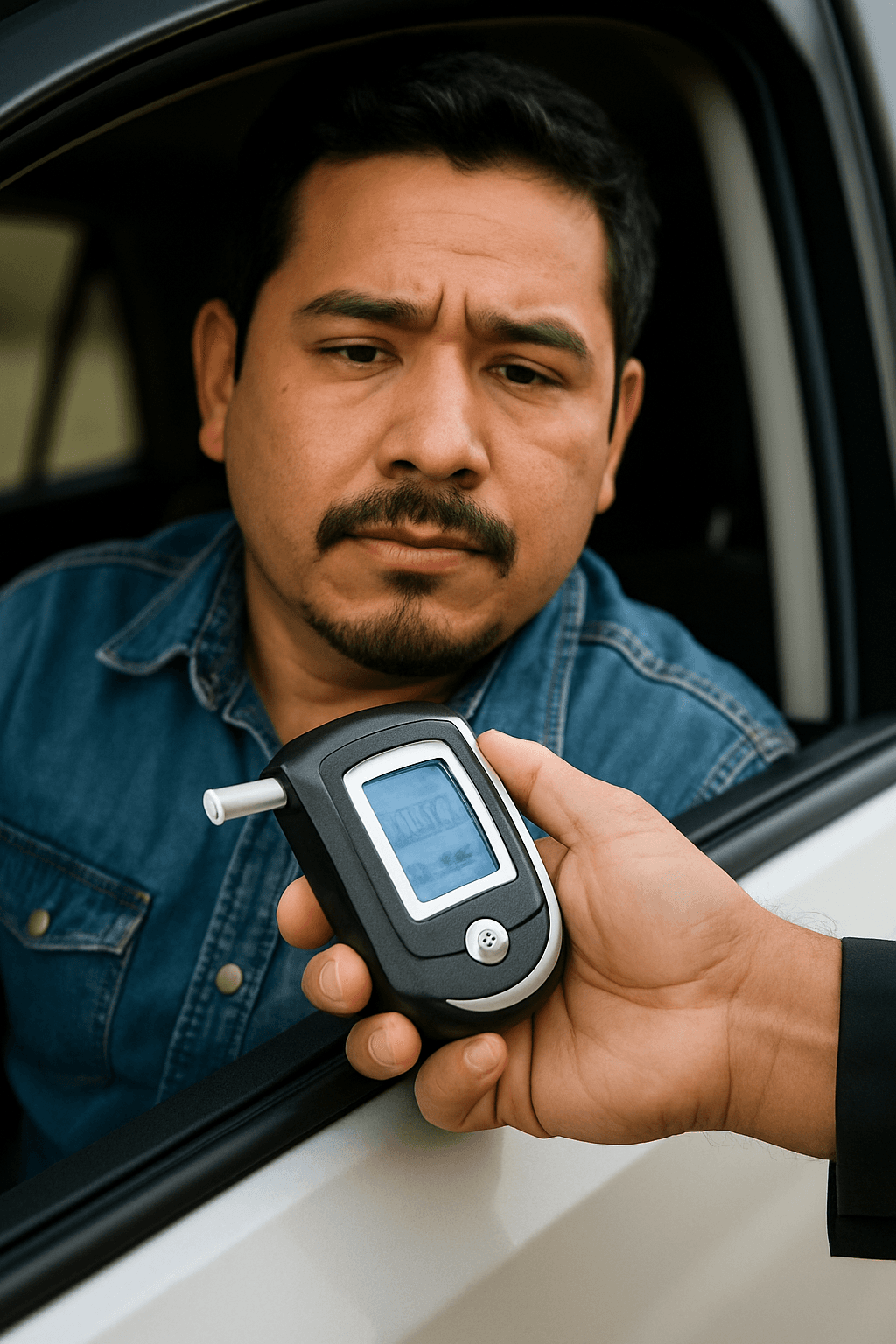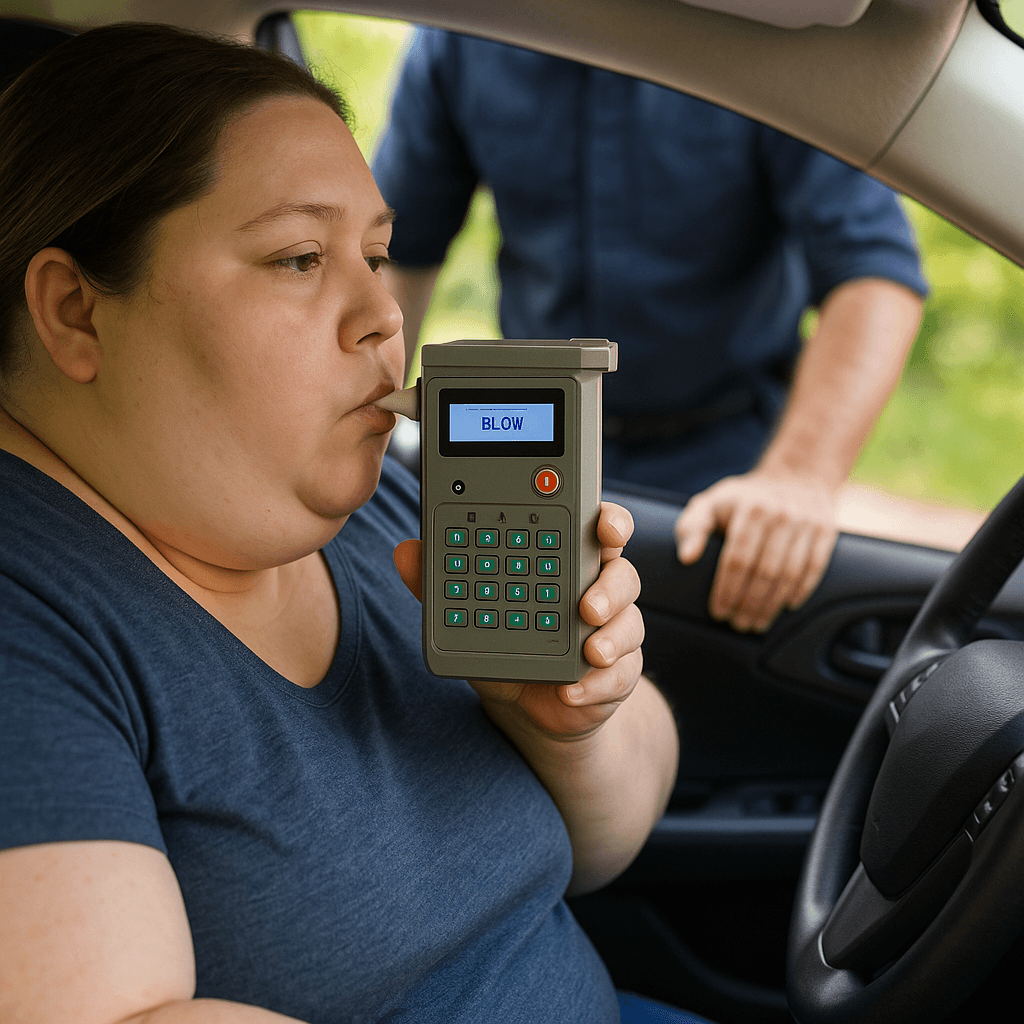
Most states require ignition interlock installation for hardship licenses after DUI. The device itself is only part of the bill: installation runs $100–$150, monthly monitoring and calibration fees add $75–$100 every 30 days, and removal at the end of the restriction period costs another $50–$100.
What the Ignition Interlock Device Actually Costs Over a Hardship License Period
A standard ignition interlock device (IID) installation costs $100–$150 upfront, paid to the installer when the device is mounted in your vehicle. Monthly monitoring and calibration fees run $75–$100 every 30 days for the duration of your hardship license restriction. When the restriction period ends and the device is removed, you pay a final removal fee of $50–$100.
Most hardship license IID requirements last 6 months to 3 years, depending on the violation type and state program rules. A driver with a 12-month IID requirement pays approximately $1,050–$1,450 over the full term: $125 installation, $900–$1,200 in monthly fees, and $75 removal. A driver facing a 3-year requirement pays $2,825–$3,850 over the same fee structure.
The monthly fee is not optional and cannot be deferred. Miss a scheduled calibration appointment and most state programs issue an automatic hardship license suspension or extend the IID requirement by the number of days you were out of compliance. Calibration appointments occur every 30 to 60 days, depending on state rules and provider contract terms.
Installation and Removal Fees Are Fixed; Monthly Monitoring Is Where Totals Climb
Installation and removal fees are one-time charges. Installation typically includes mounting the device, connecting it to the vehicle's ignition system, and initial calibration. Removal reverses the process when the restriction period ends. Both services take 60 to 90 minutes at an approved service center.
Monthly monitoring fees cover calibration appointments, data download to the state monitoring authority, and device maintenance. Calibration ensures the sensor remains accurate; the service center downloads breath test results from the device's internal log and transmits that data to your state's compliance office. Every state requires this monthly check-in, and the fee applies whether you drive 500 miles or 5,000 miles that month.
Some providers charge separately for emergency service visits if the device malfunctions between scheduled appointments. Emergency service fees range from $50 to $100 per visit. Most malfunctions result from temperature extremes, battery drain, or sensor contamination, not from driver error.
Compare car insurance rates in your state
Get quotes from licensed carriers — no obligation, no spam, results in minutes.
Get Your Free Quote✓ No Obligation Required✓ Licensed Carriers Only✓ Available Nationwide✓ Free to Compare
State Variations in IID Cost Structure and Subsidy Programs
California, Washington, and New York operate state-certified vendor networks with standardized fee schedules. Monthly fees in these states cluster at the lower end of the national range, typically $70–$85 per month. Texas, Florida, and Illinois allow open competition among vendors, and monthly fees in these states range from $75 to $110.
Several states offer income-based IID subsidy programs for drivers below 200 percent of the federal poverty line. Washington's Interlock Assistance Program covers 50 percent of installation and monthly fees for eligible drivers. California's IID Financial Assistance Program reduces monthly fees to $50 for participants who document income below the threshold. Arizona's Alcohol Interlock Assistance Fund reimburses up to $500 per year in IID costs for low-income participants.
Subsidy programs require upfront application and income verification before the device is installed. Retroactive reimbursement is rare. If you qualify for assistance, apply before scheduling installation to avoid paying full fees and waiting months for partial reimbursement.
How IID Fees Layer on Top of Hardship License Application and Filing Costs
Ignition interlock fees are separate from hardship license application fees and SR-22 or FR-44 filing fees. Most states charge $50 to $150 for the hardship license application itself, paid to the DMV or court at the time of petition. SR-22 filing fees add $25 to $50, paid to your insurance carrier when they submit the certificate to the state.
The full cost stack for a DUI-based hardship license with a 12-month IID requirement looks like this: $75 hardship application fee, $125 IID installation, $900–$1,200 in monthly IID fees, $75 IID removal, $35 SR-22 filing fee, and elevated insurance premiums of $140–$220 per month over the filing period. Total non-premium costs over 12 months: approximately $1,210–$1,485. Total premium cost over the same period: $1,680–$2,640. Combined first-year cost: $2,890–$4,125.
Drivers without vehicles can avoid IID costs by obtaining a non-owner SR-22 policy and requesting a hardship license that excludes vehicle operation. Some states allow this pathway for riders who rely on public transit or employer-provided transportation. Others require vehicle ownership to qualify for hardship driving privileges.
What Happens If You Miss a Calibration Appointment or Remove the Device Early
Missing a scheduled calibration appointment triggers an automatic lockout notice in most state programs. The device does not immediately disable your ignition, but your next breath test result uploads a missed-appointment flag to the state monitoring system. Most states issue a hardship license suspension within 7 to 14 days of the missed appointment unless you reschedule and complete calibration before the suspension order is processed.
Removing the device before the restriction period ends without written approval from the state monitoring authority terminates your hardship license immediately. In most states, early removal also extends the original IID requirement by 6 to 12 months when you eventually reapply for reinstatement. The provider reports the unauthorized removal to the state within 24 to 48 hours.
Drivers who move to a different state mid-restriction must transfer their IID monitoring contract to a provider licensed in the new state. Some states recognize out-of-state IID compliance data; others restart the clock when you register in the new jurisdiction. Verify interstate transfer rules with your current state's monitoring authority before relocating.
Finding Insurance That Covers IID-Equipped Vehicles After Hardship Approval
Most standard carriers decline to insure vehicles equipped with ignition interlock devices or charge surcharges for IID-equipped policies. Non-standard carriers and state assigned-risk pools accept IID policies without additional device-related surcharges, but the SR-22 filing requirement itself elevates your premium regardless of device status.
SR-22 insurance premiums for drivers with IID requirements average $140–$220 per month for minimum liability coverage. The premium reflects the underlying violation (typically DUI or reckless driving), not the device itself. Non-owner SR-22 policies cost $50–$90 per month for riders without vehicles, but these policies do not cover IID-equipped vehicles if you later acquire one.
Compare quotes from multiple non-standard carriers before selecting a policy. Rate differences of 30 to 50 percent between carriers are common for drivers with active IID requirements. Approval timelines vary: some carriers issue same-day coverage; others require 3 to 5 business days to underwrite and file the SR-22 certificate with your state.