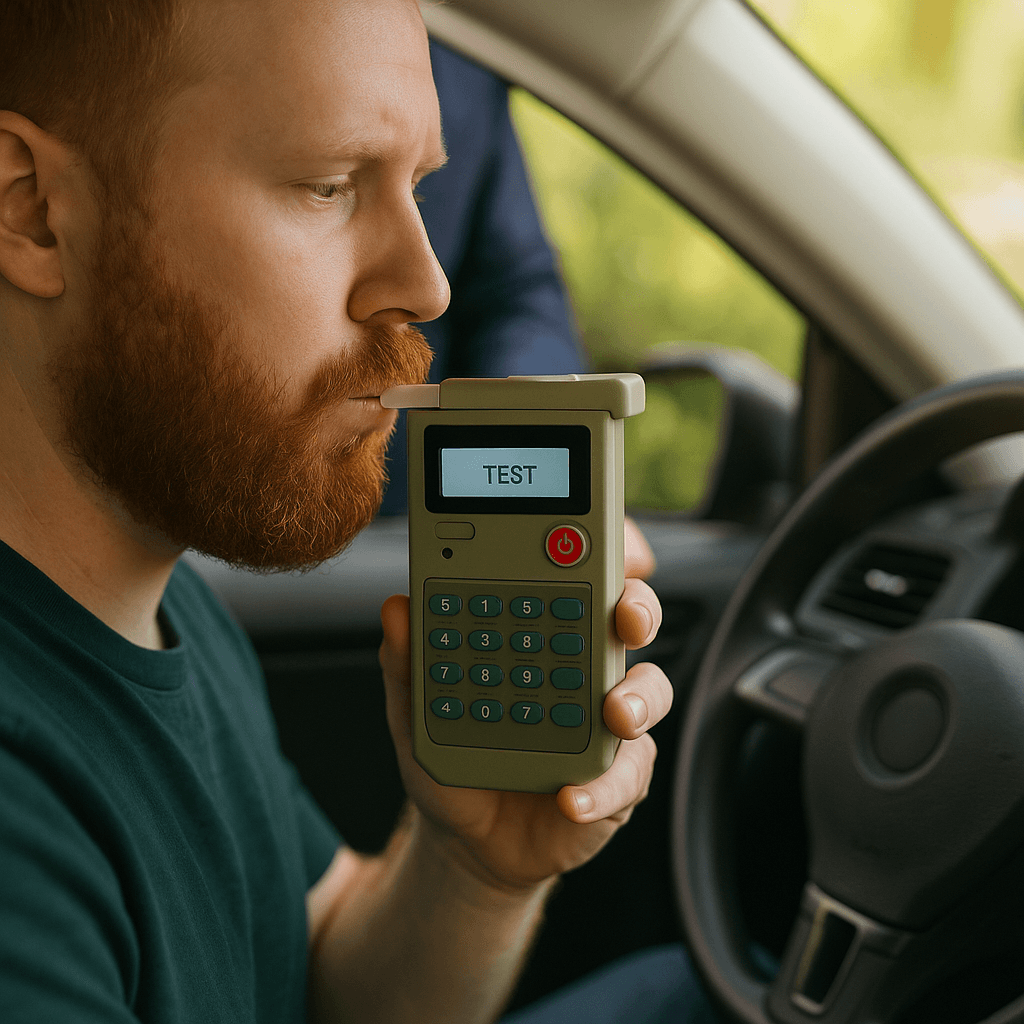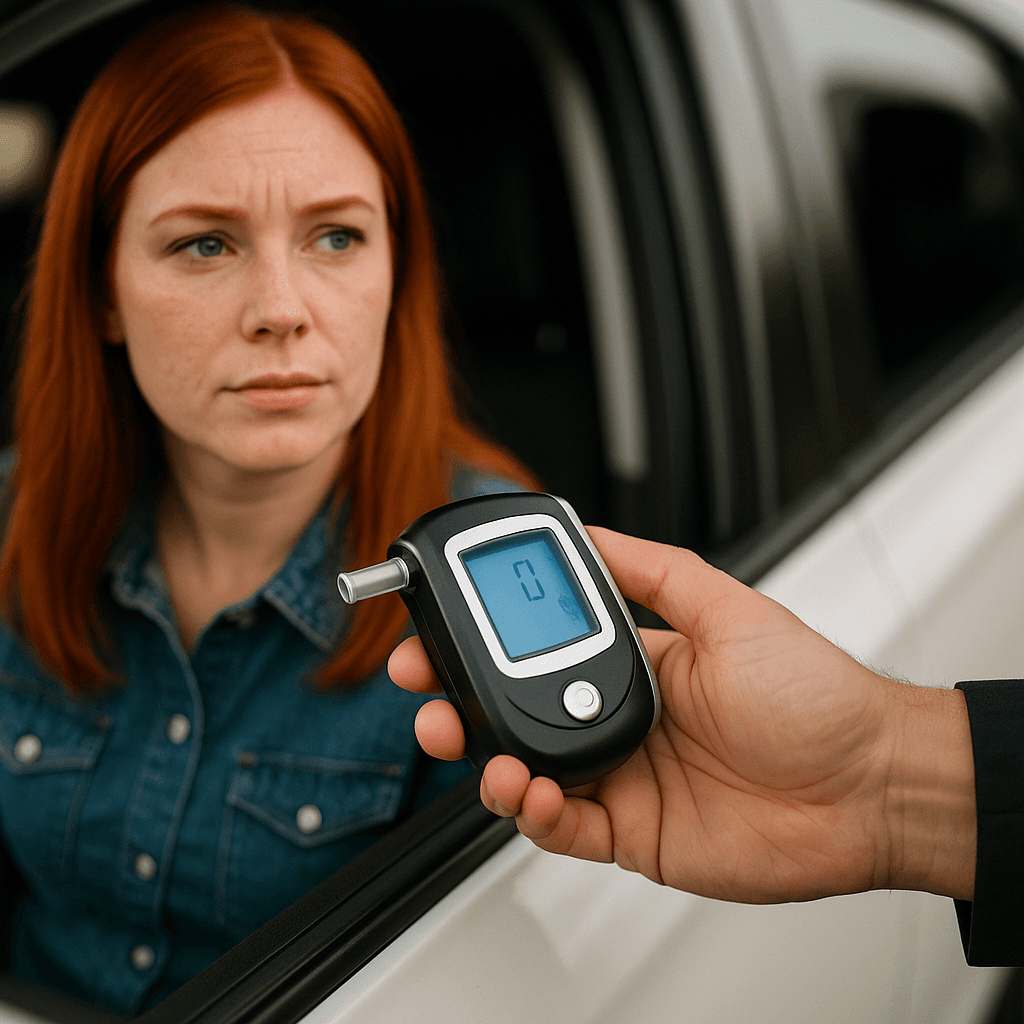
Most states require the ignition interlock device on every vehicle in your household, not just the one you drive—even cars registered to your spouse or adult children. Here's how the one-driver, multiple-vehicle rule works and what it costs.
Why Your Hardship License Approval Doesn't Mean One Vehicle
Your hardship license approval letter restricts you to one driver and specific routes—work, school, medical appointments, court-ordered programs. That single-driver restriction does not mean single-vehicle installation. Most states with ignition interlock requirements for hardship licenses mandate installation on every vehicle registered to your household address, regardless of who owns the title or drives the car daily.
The interlock statute ties to residence, not registration. If your spouse's car is garaged at your address, it needs the device. If your adult child lives with you and parks their car in your driveway, that vehicle needs the device. If you own a work truck and a personal sedan, both need the device. The one-driver rule governs who can drive with the hardship license—you and only you. The multi-vehicle rule governs which cars must have the device installed.
This structure exists because courts and DMVs cannot enforce route restrictions if you can access an unmonitored vehicle. The household-wide mandate closes that enforcement gap. Ignoring it triggers immediate hardship license revocation and extends your suspension period in most jurisdictions.
When the Multi-Vehicle Rule Applies and When It Doesn't
The household-vehicle mandate applies when your hardship license approval includes an ignition interlock order. DUI-related hardship licenses nearly always include this requirement. Reckless driving and refusal-to-test suspensions frequently do. Points-accumulation and unpaid-fines hardship licenses typically do not require interlock installation unless aggravating factors appear in your case file.
State-specific thresholds vary. In Arizona, hardship licenses for first-offense DUI mandate IID on all household vehicles for 12 months. In Ohio, occupational licenses for OVI convictions require interlock for the full suspension period—often 1 to 3 years depending on prior offenses. In Texas, occupational licenses for DWI include an interlock order unless the judge explicitly waives it, and the waiver is rare for blood alcohol content above 0.15.
If your hardship approval letter does not mention ignition interlock or restricted driving permit language, the multi-vehicle rule does not apply. If the letter specifies interlock installation, assume the mandate extends to all household vehicles unless the order explicitly limits installation to one vehicle by VIN. Explicit one-vehicle limitation is uncommon and typically requires a motion filed by your attorney during the hardship hearing.
Compare car insurance rates in your state
Get quotes from licensed carriers — no obligation, no spam, results in minutes.
Get Your Free Quote✓ No Obligation Required✓ Licensed Carriers Only✓ Available Nationwide✓ Free to Compare
What Counts as a Household Vehicle Under Interlock Rules
A household vehicle is any car, truck, van, or motorcycle registered to your residential address or regularly parked at that address overnight. Title ownership does not exempt a vehicle. If your spouse owns the car outright but you share the residence, the vehicle falls under the mandate. If your adult child lives with you and their car is registered to your address, that vehicle requires the device.
Motorcycles present the largest gray area. Some states explicitly exempt motorcycles from interlock mandates because installation is mechanically complex and cost-prohibitive. Other states require installation on motorcycles if they are registered to the household. Check your state's interlock statute or ask your DMV compliance officer during the hardship application process. Assume motorcycles are included unless your state statute or approval letter states otherwise.
Vehicles you do not drive regularly still count. If you own a classic car garaged at your home and drive it twice per year, that vehicle needs the device. If you own a company truck registered to your business address but park it at home every night, enforcement varies—some states tie the mandate to the business registration address, others to the driver's residence. Document the business registration and consult your DMV officer before assuming exemption.
How Installation Costs Stack Across Multiple Vehicles
Ignition interlock installation runs $70 to $150 per vehicle, depending on the provider and your state's approved vendor list. Monthly monitoring and calibration fees add $60 to $90 per vehicle. A two-vehicle household pays approximately $260 to $480 per month in interlock costs alone during the hardship license period.
Most interlock providers do not offer multi-vehicle discounts because each device requires separate calibration appointments and monitoring data uploads. If your hardship license requires 12 months of interlock, a three-vehicle household accumulates $2,160 to $3,240 in device costs over the full period. Add the hardship license application fee (typically $50 to $200), SR-22 filing fees ($15 to $50), and the premium increase for high-risk auto insurance ($100 to $300 per month), and total cost for a multi-vehicle household exceeds $5,000 during the first year.
Some states allow removal of household vehicles from the mandate if you surrender the registration or transfer title to a household member who does not live at your address. Transfer-to-avoid-interlock triggers scrutiny—DMV compliance officers flag title transfers to parents, siblings, or adult children at different addresses if the vehicle remains parked at the restricted driver's residence. Document the transfer, update registration and insurance, and ensure the vehicle is genuinely no longer accessible at your address.
What Happens If You Skip Installation on One Household Vehicle
DMV compliance officers and interlock vendors cross-check household addresses against registration databases. If your approval letter lists three vehicles and interlock installation records show two, the compliance officer flags the discrepancy. Most states send a 10-day cure notice requiring proof of installation or proof the vehicle is no longer at the household address—sold, totaled, or transferred with updated registration.
Failure to cure within the notice period triggers automatic hardship license revocation. The revocation is immediate. No hearing. No grace period. Your hardship license becomes invalid the day the cure deadline expires, and driving on a revoked hardship license counts as driving under suspension—a criminal offense in most states, punishable by jail time, additional fines, and suspension extension.
If the unmonitored vehicle is driven by your spouse or another household member during your hardship period and you are not in the car, the revocation risk depends on state enforcement structure. Some states treat any household-vehicle use without interlock as a violation attributable to the restricted driver. Other states limit enforcement to instances where the restricted driver was provably behind the wheel. Assume strict liability—if the vehicle is at your address and lacks the device, the risk is yours.
Insurance Implications When Multiple Vehicles Require Interlock
SR-22 or FR-44 filing requirements extend to all vehicles you own or regularly drive during the hardship period. If your hardship license mandates interlock on three household vehicles, your SR-22 insurance policy must list all three vehicles as covered units. Excluding a household vehicle from the policy to reduce premiums invalidates your SR-22 filing and triggers automatic license suspension in most states.
Non-owner SR-22 policies do not satisfy multi-vehicle interlock mandates. Non-owner policies cover drivers who do not own a car—they provide liability coverage when you borrow or rent a vehicle. If you own or live with household vehicles requiring interlock, your SR-22 must be a standard owner policy listing every vehicle subject to the mandate. Attempting to use a non-owner policy when household vehicles exist is a common filing error that delays hardship license approval or triggers post-approval revocation.
Premium costs for multi-vehicle households with interlock mandates run 150% to 300% higher than standard policies. Expect monthly premiums of $200 to $450 for a two-vehicle household, $300 to $600 for three vehicles. High-risk carriers—Bristol West, The General, Direct Auto, Acceptance—specialize in interlock-equipped policies and often offer better rates than standard carriers for drivers in this situation.
Alternatives If Multi-Vehicle Interlock Costs Are Unaffordable
If interlock installation on all household vehicles exceeds your financial capacity, four alternatives exist. First, sell or transfer household vehicles to reduce the count to one. The remaining vehicle must be the one you drive under the hardship license, and it must remain registered and insured in your name with the interlock installed. Selling all vehicles and relying on public transit or rideshare does not satisfy hardship license requirements—you must demonstrate a functional vehicle with interlock to maintain the license.
Second, request a financial hardship waiver during your hardship license hearing. Some states allow judges to limit interlock installation to one vehicle if the petitioner proves multi-vehicle installation creates undue financial burden. Proof requirements are strict: detailed household budget, income documentation, cost estimates from approved interlock vendors, and evidence that household members not subject to the restriction will be unable to commute without access to an unmonitored vehicle. Approval rates for these waivers are low.
Third, delay applying for a hardship license until your household vehicle count decreases naturally. If your adult child is moving out in three months and taking their car, waiting eliminates one device cost. If your spouse's car lease ends soon and they plan to use public transit, waiting reduces your installation burden. This option only works if your employment and medical needs can be met without driving during the delay period.
Fourth, accept the full suspension period without hardship driving privileges. If your suspension is 6 months and multi-vehicle interlock costs $3,000, paying for rideshare or relying on family for rides may cost less than compliance. Compare total cost of hardship license compliance—application fee, interlock installation and monitoring on all vehicles, SR-22 premiums, and attorney fees if you hired counsel—against alternative transportation costs before committing to the hardship application process.