Most states print time restrictions on hardship licenses but never enforce them outside of repeat violations or new charges. Understanding which jurisdictions actually monitor curfew compliance changes how you route daily driving and what documentation you keep.
Why Curfew Language Appears on Nearly Every Restricted License
State legislatures mandate time restrictions in hardship license statutes to limit exposure during high-risk driving periods. The language appears on the physical license or court order because the statute requires it, not because DMVs have enforcement infrastructure.
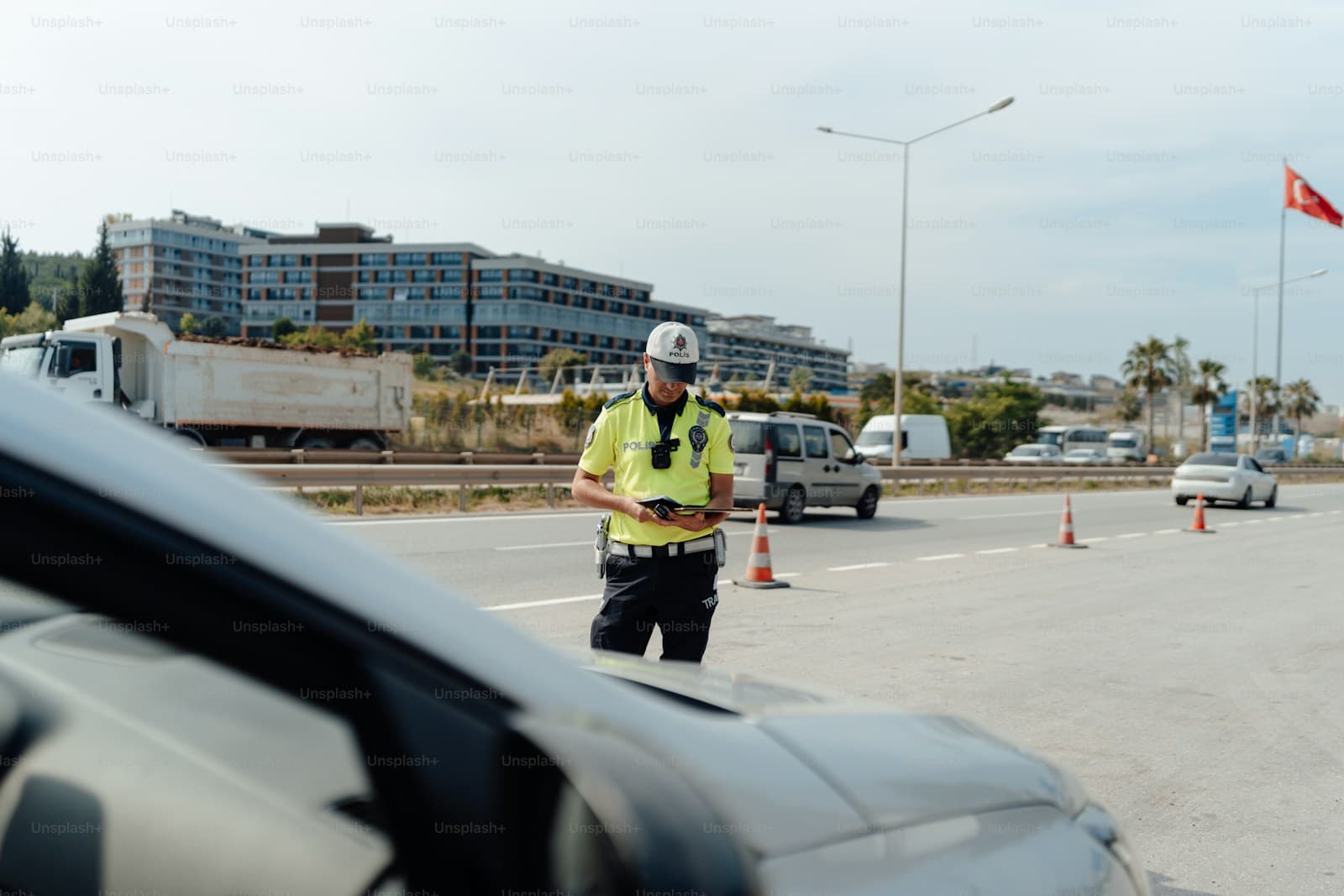
No state operates real-time monitoring of hardship license holders outside of ignition interlock device logs. Police officers who stop a driver after midnight have no automated alert that the license in front of them carries a 10 PM curfew. The restriction becomes enforceable only when an officer pulls the license, reads the restriction line, checks the current time, and documents the violation in their report.
This enforcement gap means most curfew violations go undetected unless the driver is stopped for an independent reason: speeding, equipment failure, checkpoint, or new suspicion of impairment. The curfew itself is not what triggers enforcement. The secondary stop is.
Common Curfew Patterns Across Hardship Programs
The majority of states impose time restrictions between 10 PM and 6 AM, with variation for work-shift exceptions. Texas occupational licenses typically restrict driving to documented work hours plus one hour before and after. Wisconsin work permits allow driving only during employment hours unless the petitioner demonstrates medical or family care needs that require evening access.
Florida business purpose licenses carry no blanket curfew language but restrict driving to work, education, church, medical appointments, and court-ordered obligations. The route matters more than the clock. Georgia limited permits specify approved hours on a case-by-case basis, written into the court order by the judge who grants the petition.
States with ignition interlock requirements for DUI hardship cases tie curfew enforcement to device data. The IID logs every start attempt with a timestamp. If the device shows regular usage outside approved hours, the monitoring authority can initiate a violation hearing even without a traffic stop.
Compare car insurance rates in your state
Get quotes from licensed carriers — no obligation, no spam, results in minutes.
Get Your Free Quote✓ No Obligation Required✓ Licensed Carriers Only✓ Available Nationwide✓ Free to Compare
When Curfew Violations Actually Trigger Consequences
Three scenarios produce documented curfew violations: traffic stops outside approved hours, new arrests during restricted periods, and ignition interlock timestamp audits flagged by the monitoring provider.
A driver stopped at 2 AM on a hardship license restricted to daytime hours will have the curfew violation noted in the police report. If the stop produces no other citation or arrest, most states treat the curfew breach as a technical violation reported to the DMV suspension unit. The agency reviews the report, sends a notice of violation, and schedules a hearing. The hardship license is typically suspended pending that hearing unless the driver can document an emergency or approved exception.
A new DUI arrest or other alcohol-related charge during curfew hours on a DUI hardship license produces immediate revocation in nearly every state. The combination of the new charge and the curfew violation eliminates discretion. Courts and DMVs interpret nighttime driving on a DUI-related restricted license as evidence the driver has not modified behavior.
Ignition interlock providers submit monthly compliance reports to state monitoring agencies. Multiple start attempts logged outside approved hours trigger compliance reviews. The threshold varies: some states flag three violations in a 30-day period, others flag any pattern of repeated after-hours use. The driver receives a notice requiring explanation or faces automatic extension of the IID requirement or hardship license revocation.
State-Specific Enforcement Differences That Matter
Ohio occupational licenses restrict driving to work, medical, and court purposes with no specific curfew hours printed on the license. Enforcement focuses on route documentation rather than time of day. Officers who stop an Ohio OL holder at night ask where the driver is going and whether that destination matches approved purposes. The violation is driving to a bar or social event, not driving after 10 PM to a documented work shift.
California restricted licenses for DUI cases require ignition interlock installation and permit driving at any hour to any location, with the IID serving as the monitoring mechanism. The state eliminated time and route restrictions in 2019 when it mandated IID for all DUI hardship cases. Curfew violations no longer exist in California's DUI hardship framework.
Virginia restricted licenses carry court-imposed time windows that vary by petition. A driver approved for work-only driving between 6 AM and 6 PM has those hours printed on the license. Driving at 7 PM, even to an approved destination, constitutes a violation. Virginia judges enforce curfew terms strictly in revocation hearings because the hours were negotiated in the original petition.
Pennsylvania occupational licenses allow driving for work, education, medical treatment, and court obligations with no statewide curfew mandate. Individual counties impose time restrictions in orders granting the license, and those restrictions appear in the court paperwork rather than on the physical license itself. Officers cannot enforce what they cannot read during a traffic stop unless the driver carries the court order.
How Documentation Protects Against Wrongful Violations
Drivers stopped outside approved hours need immediate proof the trip was authorized. Carry the court order or DMV approval letter that specifies your hardship license terms. Carry employer shift schedules, medical appointment cards, or school enrollment documentation that corroborates the destination and timing.
Most wrongful curfew citations result from officers misreading restriction language or drivers failing to carry supporting documents during the stop. A Texas driver stopped at 11 PM with a pay stub showing a 10 PM shift end time can demonstrate compliance at roadside. Without the pay stub, the officer writes the curfew violation and the driver fights it later in a hearing.
States that mandate ignition interlock on hardship licenses create an automatic audit trail. If the IID log shows a start attempt at 2 AM and the driver works a midnight-to-8 AM shift, the employer verification letter submitted with the device data prevents a violation finding. Drivers whose work hours change after hardship approval must update the court or DMV immediately and retain proof of that notification.
Keep a folder in the vehicle with: the hardship license approval document, current employer verification on company letterhead, medical appointment reminders, school enrollment verification, and any court order specifying approved hours or routes. This folder is your defense during stops and your evidence packet for violation hearings.
What Happens to Insurance When Curfew Violations Are Filed
Curfew violations reported to the DMV appear in your driving record within 30 to 60 days. Carriers that issued SR-22 insurance or FR-44 insurance for your hardship license receive notification of the violation when they pull periodic MVR updates.
A documented curfew violation does not automatically trigger SR-22 cancellation, but it increases your risk tier. Carriers view curfew violations as evidence of noncompliance with court or DMV terms, which correlates with higher claim risk. Expect premium increases at your next renewal if a curfew violation appears on your record before the hardship period ends.
Hardship license revocation for curfew violations requires a new SR-22 filing when you later apply for reinstatement. The revocation extends your total suspension period, and the new SR-22 filing restarts the clock on your required filing duration. A driver who loses a hardship license six months into a two-year DUI suspension will need SR-22 coverage for the full required period starting from the eventual reinstatement date, not from the original suspension date.
Carriers offering non-owner SR-22 policies for hardship license holders treat curfew violations the same as moving violations. The policy remains in force unless the violation triggers hardship revocation and you fail to notify the carrier of the status change. Transparency with your insurance provider when violations are filed prevents coverage gaps that compound reinstatement delays.
Preventing Violations: Practical Compliance Strategies
Plan routes and timing with buffer margins. If your hardship license permits driving one hour before and after work, do not leave the job site at the exact minute your shift ends. Traffic delays, vehicle trouble, or an unexpected stop can push you past the approved window. Build in 15-minute cushions on both ends.
If your job hours change, update the hardship approval immediately. Most states require amended petitions or notifications when employment circumstances shift. Driving under outdated approval terms creates violations even when the new hours are legitimate. Submit the employer's updated schedule to the court or DMV within the timeframe specified in your approval letter, typically 10 to 15 business days.
Avoid discretionary stops during approved driving periods. A driver with work-only authorization who stops at a convenience store on the way home risks a violation if stopped leaving that parking lot. The destination was not work, and the detour was not necessary to complete the approved trip. Direct routes between approved locations reduce exposure.
Document every trip that falls outside standard patterns. If a medical emergency requires you to drive outside approved hours, obtain written verification from the hospital or provider immediately. If a family emergency necessitates a curfew breach, document it with police reports, tow records, or other third-party confirmation before the next business day. Most states allow emergency exceptions if documented contemporaneously.