Whether you apply through court or DMV determines not just timing, but whether your petition can be denied, amended mid-process, or appealed. Most states don't tell you this fork exists until you've already filed wrong.
Why the Application Path Determines Everything Beyond Approval Speed
The path you take to apply for a hardship license controls more than just how long you wait. Court-petitioned hardship licenses in 14 states allow mid-hearing route amendments when a judge questions your proposed destinations; DMV administrative applications in the remaining states lock your petition at submission with no revision window. This structural difference explains why Florida applicants can adjust their Business Purpose Only route list during the hearing while California applicants cannot modify their Restricted License petition once the DMV receives it.
The procedural fork also determines denial appeal rights. Court-petitioned denials in states like Texas, Illinois, and Georgia trigger standard appellate review timelines with transcript rights and oral argument windows. DMV administrative denials in states like Pennsylvania, Ohio, and Washington trigger agency reconsideration procedures with shorter filing windows and no transcript generation. Most state DMV websites describe application requirements without stating which path your case follows or what procedural protections attach to each.
Application path assignment is not discretionary. State statute assigns your case to court or DMV based on suspension cause, prior violation count, and whether criminal proceedings are still open. A first-offense DUI with closed criminal case routes to DMV in Michigan but to court in Wisconsin. The same driver moves 90 miles west and faces a completely different procedural framework.
How Court-Petitioned Hardship Applications Work in Practice
Court-petitioned hardship applications require filing a motion with the court that handled your underlying case (DUI, reckless driving, etc.) or with the county circuit court if your suspension stems from administrative action. Filing fees range from $85 to $310 depending on county, with processing timelines controlled by the court's docket load rather than a statutory window. Illinois occupational license petitions filed in Cook County average 45-60 days from filing to hearing; the same petition in Madison County averages 18-25 days.
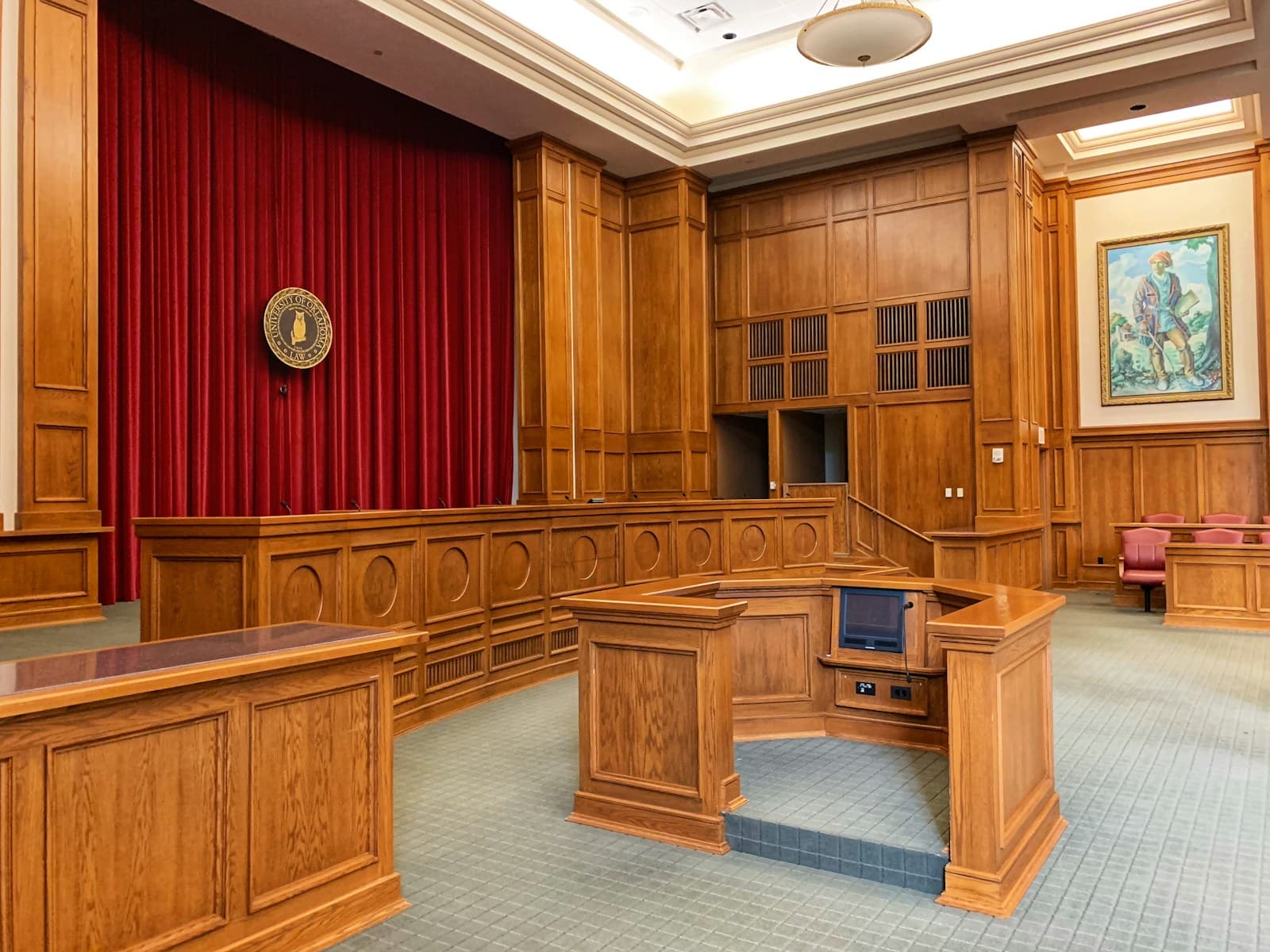
The hearing itself is adversarial in 11 states. The state's attorney or a DMV representative appears to oppose your petition, cross-examines your testimony, and argues against approval. You testify under oath about why you need hardship driving privileges, what routes you will take, and what safeguards you have in place to prevent reoffense. The judge reviews your driving abstract, suspension order, proof of insurance filing, and employment or medical documentation before ruling. Approval is discretionary, not automatic, even when you meet statutory eligibility criteria.
Court-approved hardship licenses carry enforceable restrictions the judge writes into the order. Violating time, route, or purpose restrictions triggers contempt proceedings in the issuing court, not just a DMV suspension notice. This creates dual enforcement: the DMV can suspend your hardship license administratively, and the court can hold you in contempt and revoke the underlying order. Most drivers don't realize the court retains jurisdiction over their hardship license for its entire duration.
Compare car insurance rates in your state
Get quotes from licensed carriers — no obligation, no spam, results in minutes.
Get Your Free Quote✓ No Obligation Required✓ Licensed Carriers Only✓ Available Nationwide✓ Free to Compare
How DMV Administrative Hardship Applications Differ Structurally
DMV administrative hardship applications are paper petitions filed directly with the state licensing agency, reviewed by a DMV hearing officer or eligibility examiner, and approved or denied without courtroom testimony in most cases. Processing timelines are statutory: California law mandates 21-day processing for Restricted License petitions; Ohio mandates 30 days for Occupational License applications. The timeline starts when the DMV receives your complete packet, not when you mail it.
The review is non-adversarial. No prosecutor appears. No testimony occurs. The hearing officer reviews your submitted documentation against eligibility checklists codified in state regulation. If your packet contains the required proofs (employer letter, IID installation receipt, SR-22 certificate, suspension order, fee payment) and your suspension cause is eligible under state law, approval is ministerial in most states. Discretion is narrower than in court-petitioned systems.
Denial reasons must cite a specific regulatory deficiency. The DMV cannot deny your petition because the examiner doubts your testimony or questions your route necessity; denial must reference a missing document, an ineligible suspension cause, or a disqualifying prior violation. This procedural constraint makes DMV denials easier to cure through resubmission with corrected documentation. Court denials based on credibility findings or judicial discretion cannot be cured by adding documents.
Some states blend both paths. Virginia routes first-offense DUI to DMV administrative review but routes second-offense DUI to circuit court petition. Your suspension notice will state which path applies to your case, but if the notice is unclear, call the state DMV's driver safety division and ask whether your case is court-filed or DMV-filed before you pay any filing fees.
What Each Path Means for Timing and Documentation Burden
Court-petitioned timelines are longer and less predictable. Between filing, service on the state's attorney, docket assignment, and hearing scheduling, most court-petitioned hardship licenses take 30-90 days from filing to approval. Rural counties with lighter dockets process faster; urban counties with backlogged courts process slower. You cannot accelerate the timeline by paying extra or filing motions for expedited hearing unless your state allows emergency petitions for medical hardship.
DMV administrative timelines are shorter and statutory. Most states with DMV-only systems process hardship applications in 10-30 days from receipt of a complete packet. Incomplete packets reset the clock: if you submit without an IID receipt and the DMV sends a deficiency notice, your 21-day window starts over when you mail the missing document. Front-loading documentation prevents reset delays.
Documentation burden is heavier in court-petitioned states because you must prove both eligibility and necessity. Eligibility is statutory (you meet the waiting period, your cause qualifies, you have no disqualifying priors). Necessity is factual (you will lose your job without hardship driving, your medical condition requires transport, your child has no alternative school access). DMV administrative systems require proof of eligibility only. The employer letter in a DMV state confirms you are employed and states your work address; the employer letter in a court-petition state must explain why remote work is impossible, why public transit is unavailable, and what economic harm will result from denial. Judges read for necessity. DMV examiners check boxes for eligibility.
When Your State Doesn't Offer Hardship for Your Suspension Cause
Not all states offer hardship licenses for all suspension causes. New Jersey, Pennsylvania, and Washington close hardship eligibility to uninsured-cause suspensions. Pennsylvania and Washington also close hardship eligibility to points-accumulation suspensions. If your suspension cause is ineligible in your state, the application path question is moot because no path leads to approval.
State DMV websites list eligible causes in driver safety or suspension sections, but the lists are often incomplete or outdated. The authoritative source is your state's administrative code or vehicle code chapter on restricted licenses. If you cannot locate the statute, call the DMV's driver safety division and ask: "Does [state] issue hardship licenses for [your suspension cause]?" Document the representative's name and the date of the call. If the answer is no, ask what reinstatement timeline applies and whether you can shorten it through defensive driving courses or compliance filings.
When hardship is unavailable, focus on reinstatement path optimization. Some states allow early reinstatement after completing alcohol education, installing an IID for a minimum period, or maintaining SR-22 filing without lapses for 90-180 days. These compliance steps shorten your total suspension duration even when hardship driving is not available during the suspension window.
What Filing the Wrong Path Costs You in Time and Fees
Filing through the wrong path does not transfer to the correct path automatically. If you file a court petition when your case belongs in DMV administrative review, the court dismisses for lack of jurisdiction and you lose your filing fee. You then refile with the DMV, pay the DMV application fee, and restart the processing clock. The court does not forward your petition or refund your fee.
The reverse error is less common but equally costly. If you file a DMV petition when your case requires court approval, the DMV returns your packet as ineligible and you lose processing time. Court dockets book weeks in advance, so the delay between DMV rejection and court filing often adds 45-60 days to your total timeline.
Path confusion most often affects drivers who move states mid-suspension. If your license was suspended in a court-petition state and you relocate to a DMV-admin state, the new state's hardship program does not recognize your out-of-state court order. You must apply for hardship in the new state under that state's rules, using that state's application path. Interstate hardship transfer does not exist.
How Insurance Filing Requirements Interact With Application Path
Both application paths require proof of financial responsibility before approval. Court-petitioned states require you to file SR-22 insurance before the hearing and bring the SR-22 certificate to court as an exhibit. DMV administrative states require the SR-22 filing before packet submission; the DMV will not process your application until the SR-22 appears in their system, which can take 3-7 days after your insurer electronically files.
SR-22 duration is set by state law and suspension cause, not by application path. A DUI suspension in most states triggers 3-year SR-22 filing regardless of whether you obtain hardship driving through court or DMV. Uninsured-cause suspensions trigger 1-3 year SR-22 depending on state. The SR-22 clock starts from the date of filing, not from the date of hardship approval, so filing SR-22 early does not extend your total filing period.
Non-owner SR-22 policies serve drivers without vehicles. If you sold your car after suspension or plan to borrow vehicles during your hardship period, non-owner SR-22 meets the filing requirement in all 50 states at significantly lower premiums than standard policies. Court-petitioned hearings and DMV administrative petitions both accept non-owner SR-22 as valid proof of financial responsibility.