Most carriers writing FR-44 filings in Florida don't automatically extend coverage to Ignition Interlock Device periods — and that gap can revoke your Business Purpose Only License before you realize your policy doesn't meet DHSMV requirements.
Why FR-44 Filing Alone Doesn't Guarantee IID-Period Coverage in Florida
Florida requires FR-44 certificates for DUI-related Business Purpose Only License holders, mandating 100/300/50 liability limits. But DHSMV also requires continuous coverage during your entire Ignition Interlock Device installation period — and not every carrier writing FR-44 policies will insure a vehicle with an active IID. The FR-44 filing proves you have the minimum liability limits. The IID endorsement proves your carrier accepts the device risk. Without both, DHSMV receives a lapse notification through the Florida Insurance Tracking System and suspends your hardship license automatically, even if your FR-44 filing remains active with a different vehicle.
Most drivers discover this gap when their carrier cancels mid-policy after IID installation, or when they apply for a BPO license and realize their current insurer won't add the IID endorsement. The filing requirement and the device endorsement are separate underwriting decisions. A carrier can file FR-44 certificates without accepting IID risk, and Florida law requires you to hold both simultaneously during your restricted driving period.
The data layer confirms Florida's IID requirement for hardship licenses: ignition_interlock_required is true. That means every Business Purpose Only License holder suspended for DUI-related offenses must install an IID before DHSMV will issue the hardship credential, and your insurance policy must cover the vehicle carrying that device for the entire restriction period. Carriers evaluate IID risk separately from FR-44 filing capability, and many standard-tier insurers decline both.
Which Florida Carriers Confirmed Writing IID-Equipped Vehicle Coverage
The carrier data layer shows explicit IID or post-DUI capability for six carriers writing in Florida: Acceptance Insurance, Bristol West, Dairyland, Direct Auto, GAINSCO, Geico, Infinity, National General, Progressive, and The General. Each writes FR-44 certificates and accepts after-DUI risk, which strongly correlates with IID-period underwriting. Not all carriers publish IID-specific underwriting guidelines on their public sites, so capability is inferred from FR-44 filing plus non-standard or post-DUI tier placement.
Acceptance Insurance operates in Florida's non-standard tier and explicitly mentions FR-44 capability on their blog. Bristol West confirms SR-22 and FR-44 filing on their auto-insurance101 resource page and writes non-standard policies through both online and broker channels. Dairyland's Florida insurance page explicitly lists SR-22 and FR-44 as available products and targets high-risk drivers. Direct Auto writes SR-22 policies in Florida and operates online quotes for non-standard applicants, though their site does not explicitly mention FR-44.
Geico's FR-44 information page states coverage is available in Florida and Virginia for current and new customers. Progressive's FR-44 answer page confirms availability in both states and notes online quote capability. The General's SR-22 DMV contact list includes Florida's Department of Highway Safety and Motor Vehicles, and their site explicitly mentions FR-44 filing. National General's DUI page states SR-22 and FR-44 filing is part of their post-violation offering.
Not every carrier in the data layer writes IID-equipped vehicle policies. Carriers without confirmed after-DUI or non-standard capability — Amica, Auto-Owners, Farmers, Hartford, Liberty Mutual, Mercury General, Travelers — do not publish IID underwriting guidelines and are unlikely to accept the risk. State Farm, Allstate, Nationwide, and USAA all write FR-44 certificates but may decline IID-equipped vehicles depending on underwriting tier and violation history.
Compare car insurance rates in your state
Get quotes from licensed carriers — no obligation, no spam, results in minutes.
Get Your Free Quote✓ No Obligation Required✓ Licensed Carriers Only✓ Available Nationwide✓ Free to Compare
How Ignition Interlock Endorsements Differ From Standard FR-44 Policies
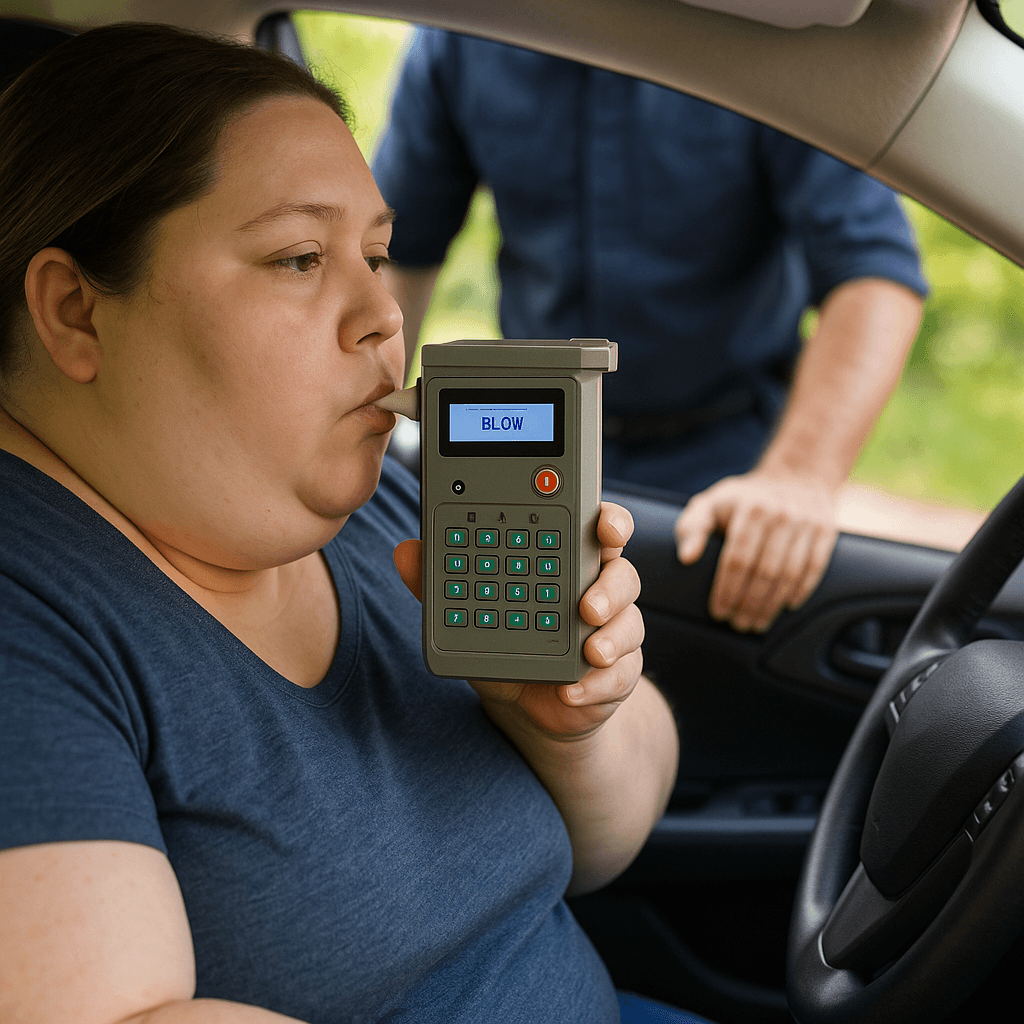
An Ignition Interlock Device endorsement modifies your auto insurance policy to cover a vehicle equipped with a court-ordered or DHSMV-mandated breath-test device. Standard liability policies assume the driver controls when and whether the vehicle starts. An IID-equipped vehicle introduces device failure risk, calibration compliance risk, and violation-reporting liability that standard underwriting doesn't account for. Carriers writing IID endorsements charge additional premium to cover those exposures, and some carriers decline the risk entirely regardless of FR-44 capability.
Florida Statutes § 322.271 grants DHSMV authority to issue Business Purpose Only Licenses with Ignition Interlock restrictions. The A1_hardship data block confirms: ignition_interlock_required is true for Florida hardship licenses following DUI-related suspensions. That means your hardship application won't be approved without proof of IID installation, and your insurance certificate must show coverage for the vehicle carrying that device. The FR-44 filing and the IID endorsement must apply to the same vehicle and the same policy period, or DHSMV treats the filing as incomplete.
Carriers evaluate IID risk separately because device violations — failed startup tests, missed calibration appointments, tampering attempts — generate DMV reports that can trigger license sanctions independent of any crash or claim. Your insurer assumes some liability exposure when they agree to cover a vehicle whose operation is monitored and restricted by a state-mandated device. That's why non-standard and specialty carriers dominate the IID endorsement market, and why standard-tier insurers often decline even when they write FR-44 certificates for non-IID policies.
What Florida's Two-Tier Hardship Structure Means for Insurance Requirements
Florida offers two distinct hardship tiers under § 322.271: Employment Purposes Only licenses, the more restrictive tier limited to work commutes and employer-required driving, and Business Purpose Only licenses, the broader tier covering work, school, church, and medical appointments. The A1_hardship data block describes this two-tier structure explicitly. Both tiers require FR-44 filing during the hardship period, and both require Ignition Interlock Device installation for DUI-related suspensions. The insurance requirement doesn't change between tiers — only the permitted driving routes vary.
Your carrier must file an FR-44 certificate with DHSMV showing 100/300/50 liability limits before DHSMV will issue either hardship tier. That filing requirement runs concurrently with your IID installation period, which means your policy must cover the IID-equipped vehicle from the day you install the device through the end of your restricted license period. Florida law does not allow you to hold an FR-44 filing on one vehicle and drive another vehicle under your Business Purpose Only License. The certificate, the device, and the permitted driving must all align on the same vehicle and the same insurance policy.
The route restrictions don't affect your insurance premium directly, but the IID requirement does. Carriers writing IID endorsements price the device risk into your premium separately from the FR-44 filing surcharge. Expect monthly premiums of $140 to $210 for minimum FR-44 liability coverage with an IID endorsement, depending on your county, age, and violation history. That range reflects non-standard tier pricing for Florida DUI offenders during the hardship period, and it includes both the FR-44 filing cost and the IID endorsement surcharge.
Why Some Carriers File FR-44 Certificates But Decline IID Policies
Carriers separate FR-44 filing capability from IID underwriting because the two risks don't overlap perfectly. An FR-44 filing proves you carry high liability limits — it's a certificate the carrier submits to DHSMV showing your policy meets Florida's 100/300/50 minimum. An IID-equipped vehicle introduces operational risk: the device can fail, you can miss calibration, you can attempt to bypass it, and any of those events generate a violation report that flows directly to DHSMV. The carrier's liability exposure doesn't increase dramatically, but the administrative burden and the correlation with future violations do.
Standard-tier carriers writing FR-44 certificates — State Farm, Allstate, Nationwide, USAA — often decline IID-equipped vehicles because their underwriting models assume lower-risk policyholders. A driver requiring both FR-44 filing and Ignition Interlock installation falls outside the risk profile those carriers target, even when the driver's credit, age, and vehicle are otherwise acceptable. The carrier can write your FR-44 policy before IID installation and cancel or non-renew once the device is installed, leaving you scrambling for coverage mid-hardship period.
That's why non-standard carriers dominate the IID market. Acceptance Insurance, Bristol West, Dairyland, Direct Auto, The General, and Infinity all write policies for drivers DHSMV considers high-risk, and their underwriting guidelines explicitly accept IID-equipped vehicles. National General and Progressive write both standard and non-standard policies and can tier you appropriately depending on your full risk profile. Geico writes FR-44 certificates and accepts after-DUI risk, but their IID underwriting varies by state and violation details. Always confirm IID acceptance in writing before installation — a verbal quote isn't binding if the underwriter declines the device after you've already paid the installation fee.
How to Confirm Your Carrier Will Maintain Coverage During IID Period
Call your current insurer before you install an Ignition Interlock Device and ask explicitly: does your underwriting guideline accept IID-equipped vehicles in Florida, and will my policy remain in force after installation? If the answer is no, or if the representative can't confirm, switch carriers before installation. Florida's continuous coverage requirement means any lapse — even one triggered by your carrier canceling mid-policy — suspends your Business Purpose Only License immediately through the Florida Insurance Tracking System.
Request written confirmation. A recorded phone call or an email from your agent stating your policy will continue post-installation creates a paper trail if the carrier later cancels. Most non-standard carriers writing FR-44 certificates will provide this confirmation without hesitation because IID underwriting is part of their core business. Standard-tier carriers may hedge or decline to commit in writing, which is your signal to switch before DHSMV mandates installation.
If you're already mid-policy and your carrier notifies you they're canceling due to IID installation, you have a narrow window to replace coverage before DHSMV receives the lapse notification. Florida doesn't provide a formal grace period under s. 324.0221 F.S. — the A4_lapse data block confirms lapse_grace_period_days is null for Florida. That means the gap between your cancellation effective date and your new policy effective date must be zero days, or DHSMV suspends your hardship license automatically. Bind your replacement policy with an effective date matching your cancellation date, and confirm the new carrier files the FR-44 certificate electronically the same day.
What Happens When Your IID Endorsement Lapses Mid-Hardship
Florida's electronic reporting system — the Florida Insurance Tracking System — notifies DHSMV in near-real time when a carrier cancels or non-renews a policy. The A4_lapse data block describes this as electronic real-time reporting, not batch periodic reporting. If your carrier cancels your IID-equipped vehicle policy and no replacement FR-44 certificate appears in DHSMV's system, your Business Purpose Only License is suspended immediately. You won't receive a warning letter or a cure period. The suspension is automatic and takes effect the day DHSMV processes the lapse notification.
Your IID installation continues to report your test results to DHSMV regardless of your insurance status, which means you're still complying with the device requirement even though your license is suspended. But you can't legally drive without both the IID and the insurance in place simultaneously. If you're stopped during a lapse period, you're charged with driving while license suspended — a second-degree misdemeanor in Florida — even if your Ignition Interlock Device is functioning correctly and you've passed every test.
Reinstating after an IID-period lapse requires paying Florida's tiered reinstatement fees: $150 for a first lapse, $250 for a second, $500 for a third or subsequent lapse within three years, per s. 324.0221 F.S. Those fees are in addition to your carrier's lapse reinstatement fee, your new policy's down payment, and any legal fees if you were cited for driving during the suspended period. The A2_reinstatement data block confirms stacked reinstatement fees apply when multiple suspensions overlap, so a driver suspended for DUI who then lapses insurance pays both the DUI reinstatement fee and the insurance lapse fee before DHSMV restores the Business Purpose Only License.