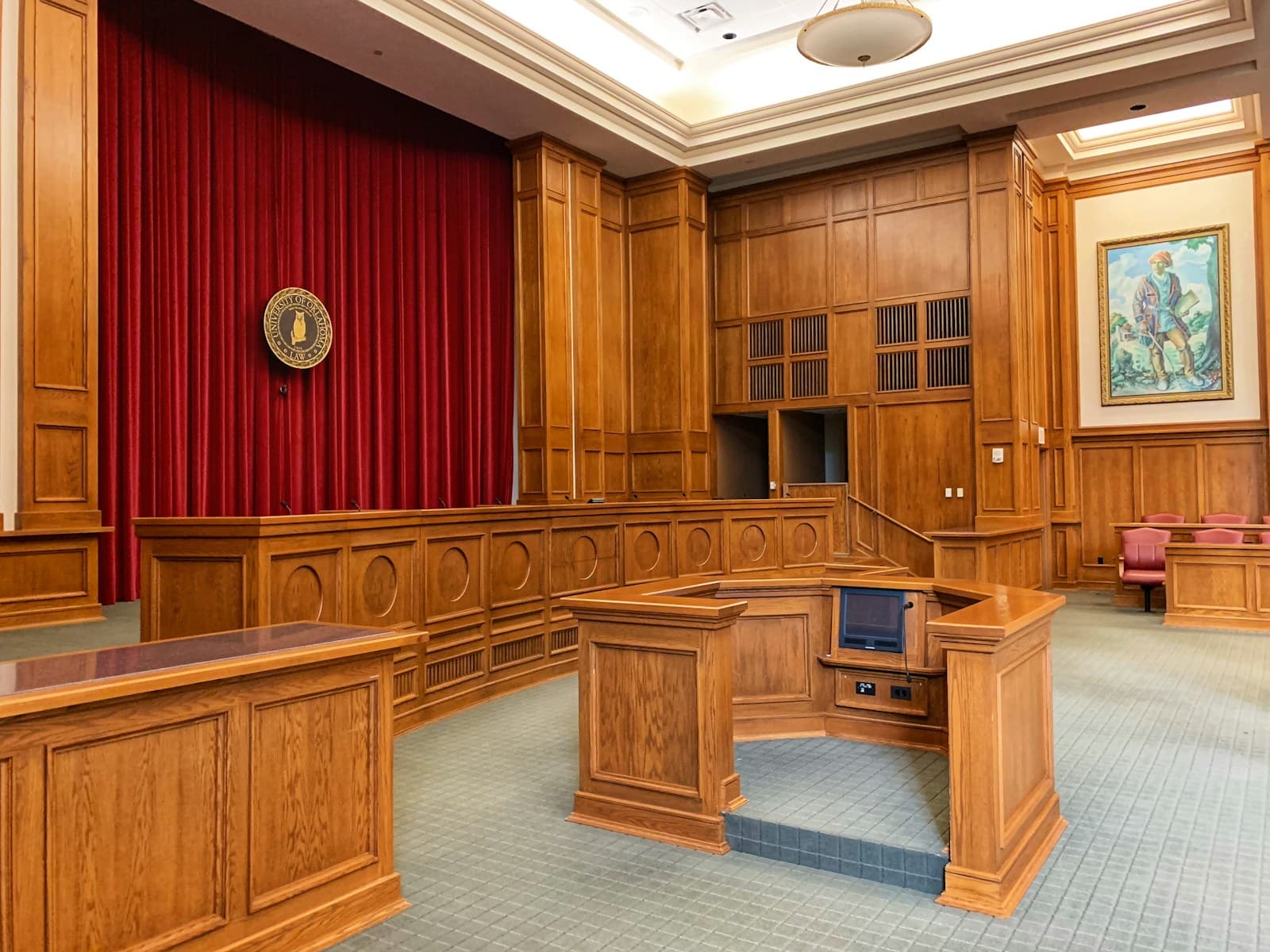
Most states lock you into one application route, but eight states let you choose whether to file your hardship petition through district court or the DMV. That choice changes your timeline, your cost, and who decides your outcome.
The States That Give You Two Doors Into the Same Program
Eight states built their hardship license programs with parallel application pathways: you can file through district court or submit an administrative petition to the DMV. Texas, Oklahoma, Missouri, Arkansas, Louisiana, Mississippi, Tennessee, and Kentucky all maintain both routes simultaneously.
The choice matters because the two pathways operate under different timelines, different fee structures, and different decision-makers. A district court petition in Texas typically costs $150–$300 in filing fees plus attorney costs if you hire representation, but you get a hearing date within 30–45 days and a judge issues a binding order that day. The DMV administrative route costs $10 to file, processes in 10–15 business days, but a clerk reviews your paperwork against a checklist without weighing context or hearing your situation.
Most suspended drivers don't know the dual-path option exists. State suspension notices rarely explain both routes clearly, and DMV websites default to promoting the administrative pathway because it's faster to process internally. Court clerks assume you already know you can file administratively. The gap leaves drivers filing the first pathway they discover rather than the one that fits their situation.
When the Court Route Wins: Disputed Facts and Employer Complications
The court pathway becomes the better choice when your hardship petition involves disputed facts, unusual employer requirements, or eligibility gray areas the DMV checklist doesn't accommodate. District judges have discretion to weigh context. DMV clerks follow binary yes/no criteria.
Texas offers the clearest example. If your employer operates across multiple counties or your job requires statewide travel, the DMV administrative route caps approved routes at a 25-mile radius from your home address. A judge can approve a broader geographic scope if your employer submits an affidavit explaining the travel requirement. If your suspension stemmed from unpaid tickets and you've since paid them but the system hasn't updated, a judge can accept your payment receipts and issue the order immediately. The DMV administrative route will deny your petition automatically if the system still shows outstanding fines, even if you're holding a receipt proving you paid yesterday.
Oklahoma and Missouri judges routinely approve hardship petitions for drivers whose suspensions involved administrative errors or documentation gaps the DMV system flagged incorrectly. The administrative route in both states treats those flags as disqualifying without review. Arkansas judges frequently approve broader route allowances for rural drivers whose jobs require covering multiple counties; the DMV administrative pathway there restricts routes to work, school, medical appointments, and court dates along the most direct path only.
Compare car insurance rates in your state
Get quotes from licensed carriers — no obligation, no spam, results in minutes.
Get Your Free Quote✓ No Obligation Required✓ Licensed Carriers Only✓ Available Nationwide✓ Free to Compare
When the DMV Route Wins: Speed, Cost, and Straightforward Cases
The administrative pathway becomes the better choice when your hardship petition is straightforward, your suspension cause is eligible without dispute, and you need the license issued as quickly as possible. Filing through the DMV costs substantially less and moves faster in every dual-path state.
In Tennessee, the DMV administrative route processes hardship petitions in 7–10 business days and costs $20 to file. The court route in the same county costs $150–$200 in filing fees, requires a hearing date 30–60 days out, and adds attorney costs if you hire representation. If your employer letter documents fixed work hours at a single location, your suspension cause qualifies under state guidelines, and you're not disputing any facts in the suspension record, the administrative route delivers the same restricted license outcome in a quarter of the time for one-tenth the cost.
Louisiana and Mississippi both process DMV administrative hardship petitions in under two weeks. Court petitions in both states take 45–90 days from filing to hearing to order issuance. Kentucky's administrative route costs $40 and processes in 10 business days; the court route costs $100–$250 depending on county and takes 30–45 days minimum. Missouri's DMV pathway issues decisions within 15 business days and costs $20 to file.
The administrative route works best when your employer documentation is clean, your suspension has no disputed elements, your required routes fit within the state's standard allowances, and you're not asking for exceptions to any eligibility criteria.
The Documentation Stack Changes Based on Which Door You Use
Both pathways require employer verification, proof of insurance or SR-22 filing where applicable, and proof of enrollment in required programs, but the court route demands higher documentation standards because a judge is reviewing your petition instead of a clerk checking boxes.
Court petitions in Texas require a notarized employer affidavit on company letterhead detailing your work schedule, job duties, why the role requires driving, and confirmation that no alternative transportation is available. The DMV administrative route accepts a standard employer letter without notarization. Court petitions in Oklahoma require a detailed route map showing your home, workplace, required stops, and mileage; the DMV route accepts a written description of routes without a map attachment.
The court pathway in dual-path states expects you to address why administrative review isn't sufficient. If you're filing in court after the DMV denied your administrative petition, bring the denial letter and documentation addressing the reason for denial. If you're filing in court first because your situation involves unusual employer requirements or disputed eligibility, explain that in your petition opening paragraph. Judges in these states see both types of cases regularly and expect you to justify why you're using court resources instead of the faster administrative pathway.
SR-22 filing requirements apply equally to both pathways. If your suspension cause requires SR-22, you must file it before submitting your hardship petition regardless of which route you choose. DUI suspensions in all eight dual-path states require SR-22 for the full suspension period. Uninsured motorist suspensions typically require SR-22 for one to three years depending on state.
The Strategic Mistake Most Drivers Make: Filing Twice
The most common error in dual-path states is filing through both routes simultaneously or filing administratively first, getting denied, then filing in court without addressing the denial reason. Both approaches waste time and money.
If you file through the DMV and get denied, the denial reason appears on the written decision. Filing in court afterward without fixing the issue that caused the denial produces the same outcome. Texas judges routinely deny court petitions when the driver was already denied administratively for missing employer documentation or incomplete program enrollment and the court petition still doesn't include those items. The driver paid twice and delayed their hardship license by 60–90 days.
Filing through both routes simultaneously creates conflicting records in the state system and typically results in both petitions being held pending resolution. Oklahoma's system flags duplicate filings automatically and freezes both until you withdraw one. Missouri clerks notify the court when an administrative petition is pending on the same license, and the judge typically continues the hearing until the administrative petition resolves.
The correct sequence: evaluate your situation against the route-choice factors above, pick one pathway, and file a complete petition through that route. If you're denied and the denial reason is fixable, fix it and refile. If the denial reason is a discretionary judgment call you disagree with and you initially filed administratively, then file in court with documentation addressing why the administrative denial was incorrect.
What This Means for Your Insurance Filing Requirement
Your hardship license application pathway doesn't change whether you need SR-22 or FR-44 filing, but it does change when you need to secure coverage. Both routes require proof of insurance before they'll approve your petition.
If you're filing through the court route, secure your SR-22 coverage at least two weeks before your hearing date so the SR-22 filing reaches the state system in time for the judge to verify it. Courts in dual-path states won't issue a hardship order without confirmed SR-22 filing on record. If you're filing through the DMV administrative route, secure your SR-22 coverage before you submit your petition packet. Most dual-path states process administrative hardship petitions within 10–15 business days, and your SR-22 needs to be on file when the clerk reviews your application.
SR-22 requirements vary by suspension cause. DUI suspensions require SR-22 for three years in Texas, Oklahoma, Missouri, Arkansas, Tennessee, and Kentucky; two years in Louisiana and Mississippi. Uninsured motorist suspensions typically require SR-22 for one to three years depending on state. Points-accumulation suspensions sometimes require SR-22 and sometimes do not, depending on what violations produced the points.
If you don't own a vehicle, non-owner SR-22 policies provide the required filing without insuring a specific car. Non-owner policies typically cost $25–$50 per month for drivers with clean records; $60–$120 per month for drivers with DUI suspensions or multiple violations. Standard SR-22 policies for drivers who own vehicles typically cost $140–$210 per month depending on your suspension cause, age, and county.