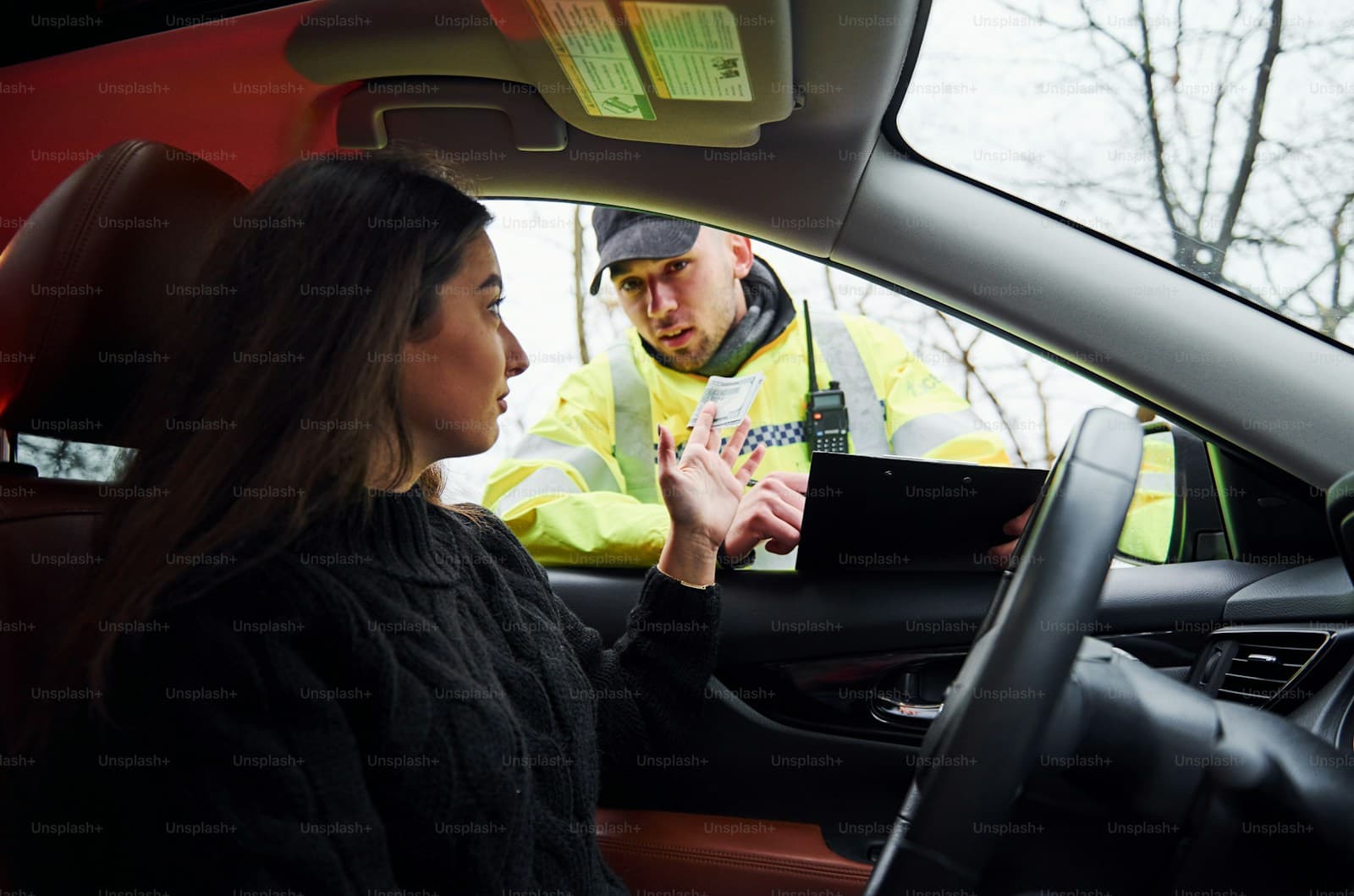
Fourteen states require you to appear before a judge to request a hardship license. The hearing is not a formality—judges deny petitions when documentation gaps suggest the restriction won't be followed.
Which States Require a Court Hearing for Hardship Licenses
Fourteen states route hardship license petitions through the court system rather than DMV administrative review: Arkansas, Georgia, Illinois, Indiana, Kentucky, Louisiana, Mississippi, Missouri, North Carolina, Ohio, Oklahoma, South Carolina, Tennessee, and Texas. In these states, you file your petition with the clerk of the court that issued your suspension order, not with the DMV. The DMV processes the physical license after the judge grants the order.
The distinction matters because court hearings impose burdens DMV applications do not. You must appear in person on a scheduled court date. You must present evidence to a judge who has discretion to deny your petition even when you meet statutory eligibility. You often need an attorney to navigate local procedural rules that vary by county within the same state.
Most court-application states require hearings within 30 to 60 days of filing. Georgia processes petitions within 10 business days. Texas and Illinois can stretch to 90 days in congested urban counties. Your license remains fully suspended during the waiting period unless you pay for expedited scheduling, which some counties permit for an additional fee.
What Documentation Judges Expect at the Hearing
Judges in court-application states evaluate whether granting restricted driving serves a compelling necessity without creating public safety risk. The documentation standard is higher than DMV administrative review because the hearing is adversarial—the state may send a prosecutor to oppose your petition.
Employer affidavits must include your work schedule broken into specific shifts, the physical address of your workplace, and a signature from a supervisor with a phone number the court can verify. Generic HR letters stating you are employed do not satisfy the standard. Self-employment petitions require business registration documents, tax returns from the prior year, and client contracts or invoices proving active income.
Route documentation must show the specific roads you will travel between your home and each approved destination, with estimated drive times and mileage. Judges deny petitions when the proposed route includes roads classified as limited-access highways if your state prohibits highway use during restricted driving. Illinois and Indiana judges routinely question route logs that show drive times inconsistent with Google Maps estimates—discrepancies suggest you plan to make unauthorized stops.
Proof of future SR-22 or FR-44 filing is required at the hearing in all fourteen court-application states. You must bring either a certificate of coverage showing SR-22 endorsement already active or a quote from a carrier showing the monthly premium and confirming they will file electronically with the state upon policy purchase. The quote must include the planned effective date. Quotes older than 30 days are often rejected because rates change and carriers withdraw from non-standard markets without notice.
Compare car insurance rates in your state
Get quotes from licensed carriers — no obligation, no spam, results in minutes.
Get Your Free Quote✓ No Obligation Required✓ Licensed Carriers Only✓ Available Nationwide✓ Free to Compare
How Ignition Interlock Requirements Affect Court Petitions
Eight of the fourteen court-application states mandate ignition interlock devices for DUI-related hardship licenses: Arkansas, Georgia, Illinois, Louisiana, Missouri, Oklahoma, Tennessee, and Texas. The IID requirement applies even for first-offense DUI suspensions in these states. Judges will not grant the petition until you provide proof the device is installed or scheduled for installation.
You must bring an IID installation quote to the hearing showing the device cost, monthly monitoring fee, and installation appointment date. The quote must come from a state-certified provider—generic quotes from uncertified vendors are rejected. Most court-application states maintain a published list of approved IID vendors on their DMV or Department of Public Safety website.
Installation must occur within 10 days of the judge signing your hardship order in Georgia, Illinois, and Tennessee. Texas allows 30 days. If you miss the installation deadline, the hardship license is automatically void and you must file a new petition. Missouri and Arkansas require proof of installation submitted to the court clerk before the DMV will issue the physical restricted license—this adds 5 to 10 business days to the timeline.
Why Judges Deny Petitions Even When Eligibility Is Met
Statutory eligibility does not guarantee approval in court-application states. Judges deny petitions for reasons unrelated to the legal threshold when documentation suggests the restriction will not be followed or when prior record indicates pattern behavior.
Missing or incomplete employer verification is the most common denial reason. If the affidavit lacks a supervisor signature, lists a generic company phone number instead of a direct line, or shows work hours that conflict with the proposed route schedule, judges assume the document was fabricated or the employer is unwilling to vouch for you in person.
Prior hardship license violations appear in court records and trigger automatic denial in most jurisdictions. If you held a hardship license during a previous suspension and were cited for driving outside permitted hours or routes, judges will not grant a second restricted license regardless of current need. Illinois and Ohio judges routinely deny petitions when the applicant has two or more moving violations in the three years prior to suspension—even violations that did not themselves trigger suspension.
Unresolved court obligations block approval. Outstanding fines, unpaid child support, or failure-to-appear warrants in any court within the state result in denial until those obligations are cleared. Georgia and North Carolina judges require proof of payment plans in place for outstanding balances before they will consider the hardship petition.
Filing Costs and Attorney Fees in Court-Application States
Court filing fees for hardship petitions range from $50 in Mississippi to $175 in Illinois. Texas charges $125 in most counties. The fee is paid to the court clerk when you file the petition and is non-refundable if your petition is denied.
Attorney fees for hardship license representation typically range from $500 to $1,500 depending on the complexity of your case and the attorney's familiarity with local judges. Simple first-offense DUI cases in rural counties cost less. Cases involving multiple priors, self-employment, or contested facts cost more. Some attorneys charge flat fees; others bill hourly.
You are not legally required to hire an attorney for a hardship hearing, but proceeding without representation significantly lowers approval rates. Judges apply procedural rules that vary by county and are not published in accessible formats. Attorneys know which documentation gaps are fatal in front of specific judges and how to frame necessity arguments in ways that align with local precedent.
IID installation costs add $75 to $150 upfront and $60 to $90 per month for monitoring. SR-22 filing premiums in court-application states typically range from $140 to $280 per month for drivers with DUI suspensions. Your total first-month cost to obtain a hardship license in a court-application state usually falls between $1,000 and $2,200 depending on attorney involvement and IID requirements.
What Happens After the Judge Approves Your Petition
When the judge grants your hardship petition, the court issues a signed order specifying your approved driving hours, routes, and destinations. The order is filed with the court clerk and transmitted electronically to the state DMV or DPS within 2 to 5 business days in most states. You cannot begin restricted driving until the DMV processes the order and issues the physical hardship license.
You must take the signed court order, proof of SR-22 filing, proof of IID installation (if required), and payment for the license fee to the DMV to obtain the physical license. Georgia issues the license the same day if you appear in person. Illinois and Texas mail the license within 10 business days. During the gap between court approval and license issuance, your driving privileges remain fully suspended—you cannot drive even to work.
Violating the terms of your court-ordered hardship license triggers immediate revocation and criminal charges in all fourteen court-application states. Driving outside approved hours, routes, or purposes is prosecuted as driving while suspended, which carries jail time in most jurisdictions. The judge who granted your original petition will not grant a second one if you are cited for violating the first.
How SR-22 Filing Integrates With Court-Ordered Hardship Licenses
SR-22 certificates of financial responsibility are required for hardship licenses in all fourteen court-application states when the suspension stems from DUI, reckless driving, uninsured driving, or multiple violations. The filing must remain active for the full duration specified by your state—typically 3 years for DUI suspensions and 1 to 3 years for other qualifying violations.
You must purchase SR-22 coverage before the DMV will issue your hardship license, even after the judge approves your petition. The insurance carrier files the SR-22 certificate electronically with the state within 24 to 48 hours of policy purchase. If your policy lapses or is canceled for non-payment during the required filing period, the carrier notifies the state and your hardship license is automatically suspended.
Non-owner SR-22 policies are available if you do not own a vehicle but need coverage to satisfy the court order and state filing requirement. Non-owner policies cost less than standard SR-22 coverage because they provide liability protection only when you drive borrowed or rented vehicles. Monthly premiums typically range from $50 to $90 depending on your violation history and state.