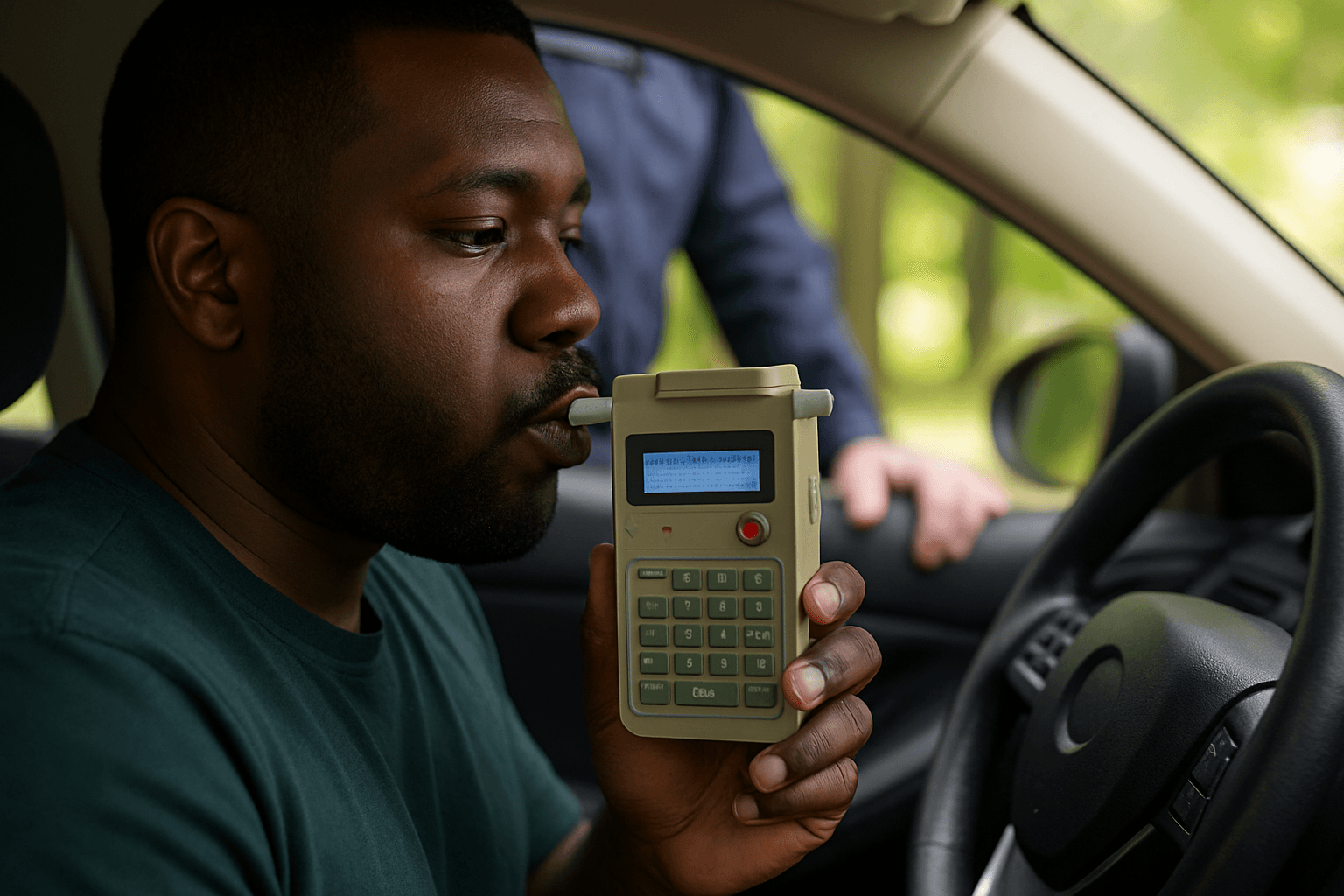
Connecticut processes SOP applications directly through DMV — no court hearing required. Most applicants submit incomplete documentation and face rejection on their first attempt.
How Connecticut's Special Operation Permit Application Works
Connecticut routes Special Operation Permit (SOP) applications through the Department of Motor Vehicles, not the court system. You submit your application directly to a DMV branch office with all required documentation in a single packet. The DMV reviews the application administratively and issues or denies the permit without a hearing.
This process differs from states like Texas or Georgia where you file a petition with the court and attend a hearing before a judge. Connecticut's administrative path is faster when documentation is complete — processing typically takes 7 to 10 business days once the application reaches the DMV's license suspension unit. The tradeoff: incomplete applications are rejected outright with no opportunity to supplement or clarify during review.
Most first-time applicants underestimate the documentation threshold. A missing employer signature, an unsigned SR-22 certificate, or an incomplete essential-need affidavit triggers rejection. You receive a denial notice by mail 10 to 14 days after submission, then must restart the process with corrected documentation.
What Connecticut Requires for a Special Operation Permit Application
Connecticut's SOP application packet requires proof of employment or another essential need, an SR-22 insurance certificate for alcohol-related suspensions, and a completed DMV application form. The essential-need documentation must demonstrate why driving is necessary — an employer letter on company letterhead stating your work schedule and confirming that no public transit serves your route is the strongest evidence.
For DUI-related suspensions, the SR-22 certificate must be active and filed with the Connecticut DMV before you submit the SOP application. Most carriers issue the SR-22 certificate within 24 to 48 hours of policy binding, but the DMV's system typically takes 3 to 5 business days to register the filing internally. Submit your SOP application only after verifying the SR-22 appears in the DMV's electronic compliance system — calling the DMV suspension unit directly is the most reliable confirmation method.
Ignition interlock installation proof is required for DUI-related suspensions. Connecticut mandates ignition interlock devices for Special Operation Permits issued after DUI convictions under CGS § 14-37a. You must complete installation with a state-approved vendor and obtain a compliance certificate showing the device serial number and installation date. The DMV cross-references this certificate against the vendor's electronic filing before approving the permit.
Compare car insurance rates in your state
Get quotes from licensed carriers — no obligation, no spam, results in minutes.
Get Your Free Quote✓ No Obligation Required✓ Licensed Carriers Only✓ Available Nationwide✓ Free to Compare
The 45-Day Hard Suspension Period Before SOP Eligibility
First-offense OUI (Operating Under the Influence) convictions in Connecticut trigger a mandatory 45-day hard suspension period. No driving is permitted during this window — not for work, not for medical appointments, not for any purpose. The 45 days begin on the date your license is formally suspended, which is typically 10 to 14 days after the court conviction date once the court transmits the conviction record to the DMV.
You become eligible to apply for a Special Operation Permit only after the 45-day hard period expires. Submit your application on day 46 or later. Applications submitted before the hard period ends are automatically rejected regardless of documentation quality.
Second or subsequent OUI offenses carry longer hard suspension periods before SOP eligibility. Connecticut does not publish a single universal schedule — the hard period varies based on your prior conviction dates, whether the prior offense occurred in Connecticut or another state, and whether the current offense involved aggravating factors. Consult the DMV suspension unit directly for your specific eligibility date before preparing your application.
How the DMV Defines Essential Purposes for the Permit
Connecticut restricts Special Operation Permits to essential purposes: employment, medical treatment, and education. The DMV interprets these categories narrowly. Employment includes commuting to and from your primary workplace and traveling between job sites during work hours if your employer requires it. Medical treatment includes appointments with licensed healthcare providers for necessary care — routine wellness visits and elective procedures typically do not qualify.
Education includes attending classes at accredited schools, colleges, or vocational training programs. The DMV requires proof of enrollment and a current class schedule. Childcare transportation, grocery shopping, and religious services are not recognized as essential purposes under Connecticut's SOP program.
The permit restricts your driving to specific hours defined by your documented schedule. If your employer letter states you work Monday through Friday, 8:00 AM to 5:00 PM, your permit authorizes driving only during those hours plus reasonable commute time before and after. Driving outside permitted hours — even for an emergency — violates the permit terms and triggers immediate revocation.
What Happens When Documentation Is Incomplete
Connecticut's DMV does not contact applicants to request missing documents or clarify ambiguous submissions. The reviewer evaluates the application packet as submitted and issues a denial if any required element is missing or deficient. You receive a written denial notice by mail explaining which documentation failed to meet requirements.
Common rejection reasons include employer letters missing specific work hours, SR-22 certificates not yet registered in the DMV system when the application was reviewed, and ignition interlock compliance certificates missing the device serial number. Each rejection requires resubmitting the entire application packet with corrected documentation — the DMV does not maintain a partial file or allow supplemental submissions.
Reinstatement fees paid with the initial application are not refunded or credited toward a resubmission. Connecticut charges a $175 reinstatement fee with each SOP application. Multiple rejections multiply this cost quickly.
How SR-22 Filing Works for Special Operation Permits
SR-22 is a certificate of financial responsibility your insurance carrier files with the Connecticut DMV proving you carry at least the state minimum liability coverage: $25,000 per person, $50,000 per accident for bodily injury, and $25,000 for property damage. Connecticut requires SR-22 filing for DUI-related suspensions and certain uninsured motorist violations.
The SR-22 filing period in Connecticut is typically 3 years for DUI offenses, measured from the date the SR-22 is first filed with the DMV. The filing must remain active and uninterrupted for the entire period. If your policy lapses or cancels for any reason — even non-payment unrelated to your driving — your carrier notifies the DMV electronically and your Special Operation Permit is suspended immediately.
Non-owner SR-22 policies cover drivers who do not own a vehicle. If you plan to borrow a vehicle or use rideshare services during your SOP period, a non-owner SR-22 policy meets Connecticut's filing requirement. Premiums for non-owner policies are typically lower than standard policies because they provide secondary liability coverage only — the vehicle owner's policy pays first in the event of a claim.
What Your Insurance Will Cost During the SOP Period
SR-22 filing adds approximately $15 to $35 per month to your premium in Connecticut. The larger cost driver is the underlying suspension or conviction: DUI convictions typically increase premiums by 60% to 120% compared to clean-record rates. A driver with a clean record paying $90 per month might see premiums increase to $145 to $200 per month after a DUI conviction with SR-22 filing required.
Ignition interlock device installation costs $75 to $150 in Connecticut, plus monthly monitoring fees of $60 to $90. The device lease and monitoring are paid directly to the vendor, not through your insurance carrier. Budget approximately $800 to $1,100 annually for ignition interlock compliance in addition to your increased insurance premium.
Estimates based on available industry data; individual rates vary by driving history, vehicle, coverage selections, and location. Carriers writing SR-22 policies in Connecticut include Geico, Progressive, The General, Bristol West, and Dairyland. Non-standard carriers like Bristol West and Dairyland specialize in high-risk profiles and may offer lower premiums than standard carriers for drivers with recent DUI convictions.