Connecticut's SOP program requires employer affidavits, HR-verified schedules, and SR-22 proof before approval. Most denials stem from documentation that fails DMV's essential-need standard.
Connecticut Calls It a Special Operation Permit, Not a Hardship License
Connecticut statute CGS § 14-37a creates the Special Operation Permit, the state's restricted driving program available during certain suspension periods. The term "hardship license" does not appear in Connecticut law or DMV documentation. When you file paperwork with the Connecticut DMV, you are applying for a Special Operation Permit, abbreviated SOP.
The SOP is available for OUI (Operating Under the Influence) suspensions, points-related suspensions, and certain other administrative actions. It is not available during suspensions triggered by uninsured driving, refusal to submit to a chemical test under the implied consent law, or unpaid tickets in most cases. Eligibility depends entirely on the suspension type listed on your DMV notice.
Connecticut also operates a separate but closely related Ignition Interlock License program under the same statute. For first-offense OUI cases, the interlock license and the SOP function almost identically: both require proof of essential need, both restrict driving to approved purposes, and both mandate device installation if alcohol was involved. The procedural difference is administrative rather than practical for most drivers.
The 45-Day Hard Suspension Window Before SOP Eligibility
First-offense OUI suspensions in Connecticut carry a mandatory 45-day hard suspension period during which no driving privileges exist. This window begins on the date the administrative per se suspension takes effect, not the court conviction date. During these 45 days, you cannot drive at all—not for work, not for medical appointments, not for education. No permit, SOP, or interlock license is available until this period expires.
The DMV processes SOP applications only after the 45-day hard period ends. Submit your application during the hard suspension if you want approval ready on day 46, but do not expect driving privileges before the mandatory window closes. Most applicants misunderstand this timing and assume they can obtain work driving immediately after their arrest. The statute does not allow it.
Refusal to submit to a chemical test under CGS § 14-227b triggers a longer administrative suspension—typically 6 months for a first refusal versus 90 days for a failed test. The hard suspension period for refusal cases is longer as well, and the SOP application timeline shifts accordingly. If your suspension notice lists "refusal" as the trigger, expect a longer wait before any restricted driving becomes possible.
Compare car insurance rates in your state
Get quotes from licensed carriers — no obligation, no spam, results in minutes.
Get Your Free Quote✓ No Obligation Required✓ Licensed Carriers Only✓ Available Nationwide✓ Free to Compare
What Qualifies as Essential Need in Connecticut
Connecticut DMV defines essential need narrowly. Employment qualifies. Medical treatment for yourself or an immediate family member qualifies. Education at an accredited institution qualifies. Grocery shopping, errands, social obligations, and convenience do not. The SOP restricts driving to specific approved purposes listed on the permit itself, not to categories you define.
Your employer must provide a signed affidavit on company letterhead confirming your work schedule, job location, and a statement that alternative transportation is not reasonably available. The affidavit must include the employer's contact information and signature from a supervisor or HR representative. Hand-written notes or personal letters do not meet DMV standards. If you work multiple jobs, each employer must submit a separate affidavit.
Medical need requires documentation from a licensed physician describing the condition, treatment schedule, and location of care. The physician's statement must confirm that the patient cannot reasonably travel by other means. A prescription or appointment card alone does not satisfy this requirement. Educational need requires a letter from the registrar or admissions office confirming enrollment status, class schedule, and campus location. The DMV verifies all documentation directly with the issuing party before approval.
Route and Hour Restrictions on the Permit
The SOP lists exact approved routes and exact approved hours. You are permitted to drive only during the hours specified for each purpose and only along the most direct route between your residence and the approved destination. If your work shift is 8:00 AM to 5:00 PM at a specific address, the permit authorizes driving to and from that address during those hours. Stopping for errands, taking alternate routes, or driving outside approved hours violates the permit terms and triggers immediate revocation.
The DMV calculates approved driving windows based on the documentation you submit. If your employer affidavit states your shift begins at 8:00 AM and you live 30 minutes from the job site, the permit may authorize driving between 7:15 AM and 8:15 AM inbound and 4:45 PM to 5:45 PM outbound. These windows are not negotiable after the permit is issued. Plan your application documentation around the schedule you actually need, not the schedule you think sounds reasonable.
If your work schedule changes after the permit is issued, you must file an amendment request with the DMV before driving under the new schedule. Most drivers assume they can adjust routes or hours informally as long as the general purpose remains the same. Connecticut law does not allow this. Violation of route or time restrictions is treated as driving on a suspended license, which carries criminal penalties separate from the original suspension.
SR-22 Proof Required Before SOP Approval for OUI Cases
If your suspension stems from an OUI charge, Connecticut DMV will not approve your SOP application without an active SR-22 certificate on file. The SR-22 is a financial responsibility filing submitted by your insurance carrier directly to the DMV. It certifies that you carry at least the state minimum liability coverage: $25,000 per person for bodily injury, $50,000 per accident for bodily injury, and $25,000 for property damage.
You cannot file SR-22 yourself. Your insurer files it electronically after you purchase a policy that includes the endorsement. Most carriers charge a one-time filing fee between $25 and $50, plus a premium increase that varies by carrier and driving history. The SR-22 filing must remain active for 3 years from the date of the OUI conviction in most cases. If your policy lapses or is canceled during the SR-22 period, the carrier notifies the DMV and your SOP is revoked immediately.
Non-owner SR-22 policies are available if you do not own a vehicle but need to meet the filing requirement. These policies provide liability coverage while driving borrowed or rented vehicles and satisfy the DMV's SR-22 mandate. Non-owner policies typically cost less than standard policies because they exclude collision and comprehensive coverage. If you plan to drive a household member's vehicle under your SOP, confirm whether you need a standard policy or whether non-owner coverage meets your situation.
Ignition Interlock Device Installation Requirement
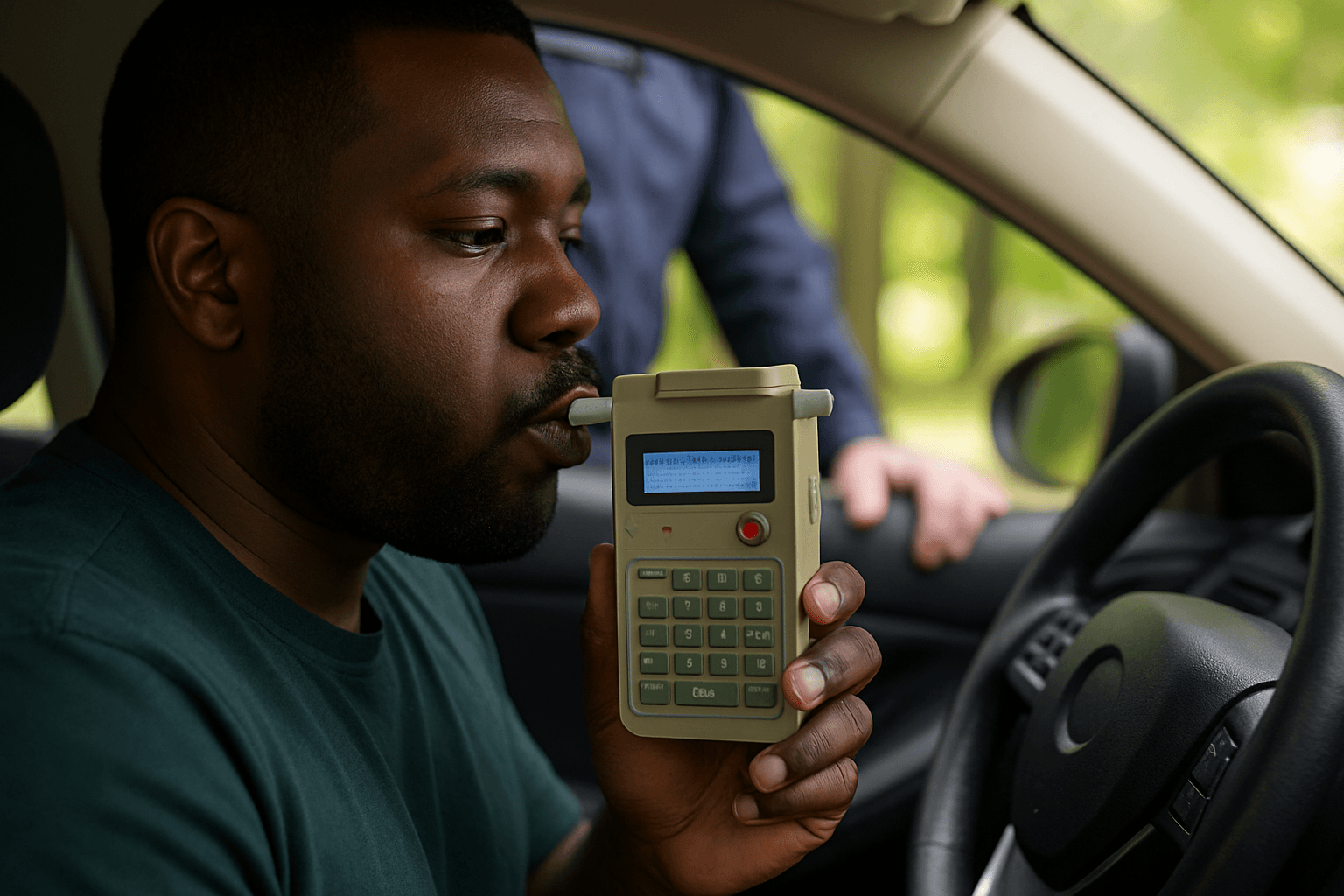
Connecticut requires ignition interlock device installation for most OUI-related SOPs. The IID is a breath-testing unit wired into your vehicle's ignition system. Before the engine starts, you must provide a breath sample below the programmed alcohol threshold, typically 0.02 BAC. Random rolling retests occur while driving. Failure to provide a passing sample, or any failed test, is logged and reported to the DMV.
The DMV maintains a list of approved IID vendors. You must select a vendor from this list, schedule installation, and pay all associated costs—typically $75 to $150 for installation, $75 to $100 per month for monitoring and calibration, and $75 to $100 for removal once the requirement ends. The IID vendor provides a certificate of installation to the DMV. Your SOP is not issued until this certificate is on file.
The IID requirement duration matches the SR-22 filing period in most cases: 3 years for a first-offense OUI. If your suspension was triggered by refusal rather than a failed test, the IID period may extend longer. The device must remain installed and functional for the entire mandated period, even if your SOP expires or you choose to stop driving under it. Removal before the DMV-authorized date voids the requirement and restarts the clock.
Application Process and Processing Timeline
SOP applications are filed directly with the Connecticut DMV, not through the courts. The application requires: a completed DMV form (available on the DMV website or at any branch office), employer affidavits or medical/educational documentation proving essential need, proof of SR-22 filing for OUI cases, proof of IID installation for alcohol-related cases, and payment of the application fee. The fee is not listed in the data layer for Connecticut; verify the current amount with the DMV before submitting.
The DMV reviews applications on a case-by-case basis. Processing time varies, but most applications are resolved within 15 to 30 business days if all documentation is complete. Incomplete applications are returned without review, which restarts the processing clock. Submit all required documents in a single packet to avoid delay.
If the DMV denies your application, the denial letter will state the reason. Common denial reasons include insufficient proof of essential need, missing SR-22 or IID certificates, or a suspension type ineligible for SOP relief. You may reapply after addressing the stated deficiency. There is no formal appeal process for SOP denials, but you may request an administrative hearing if you believe the denial was based on factual error.
What Happens If You Violate SOP Terms
Driving outside approved hours, deviating from approved routes, or operating a vehicle without a functioning IID while under an SOP constitutes driving on a suspended license under Connecticut law. This is a separate criminal charge, prosecuted independently of the original suspension trigger. Conviction carries fines up to $500, potential jail time, and extension of your suspension period.
The DMV revokes the SOP immediately upon notice of a violation. Revocation is administrative and does not require a court hearing. Once revoked, you must serve the remainder of the original suspension with no restricted driving privileges. Reapplication for a new SOP is typically not permitted until the full suspension period has elapsed.
Insurance lapses also trigger automatic SOP revocation. If your SR-22 filing lapses because your policy is canceled or not renewed, the carrier notifies the DMV within 24 hours and your SOP is voided. The suspension period restarts from the date of the lapse in most cases, and reinstatement requires paying a new reinstatement fee, filing a new SR-22, and serving any additional hard suspension period the DMV imposes.