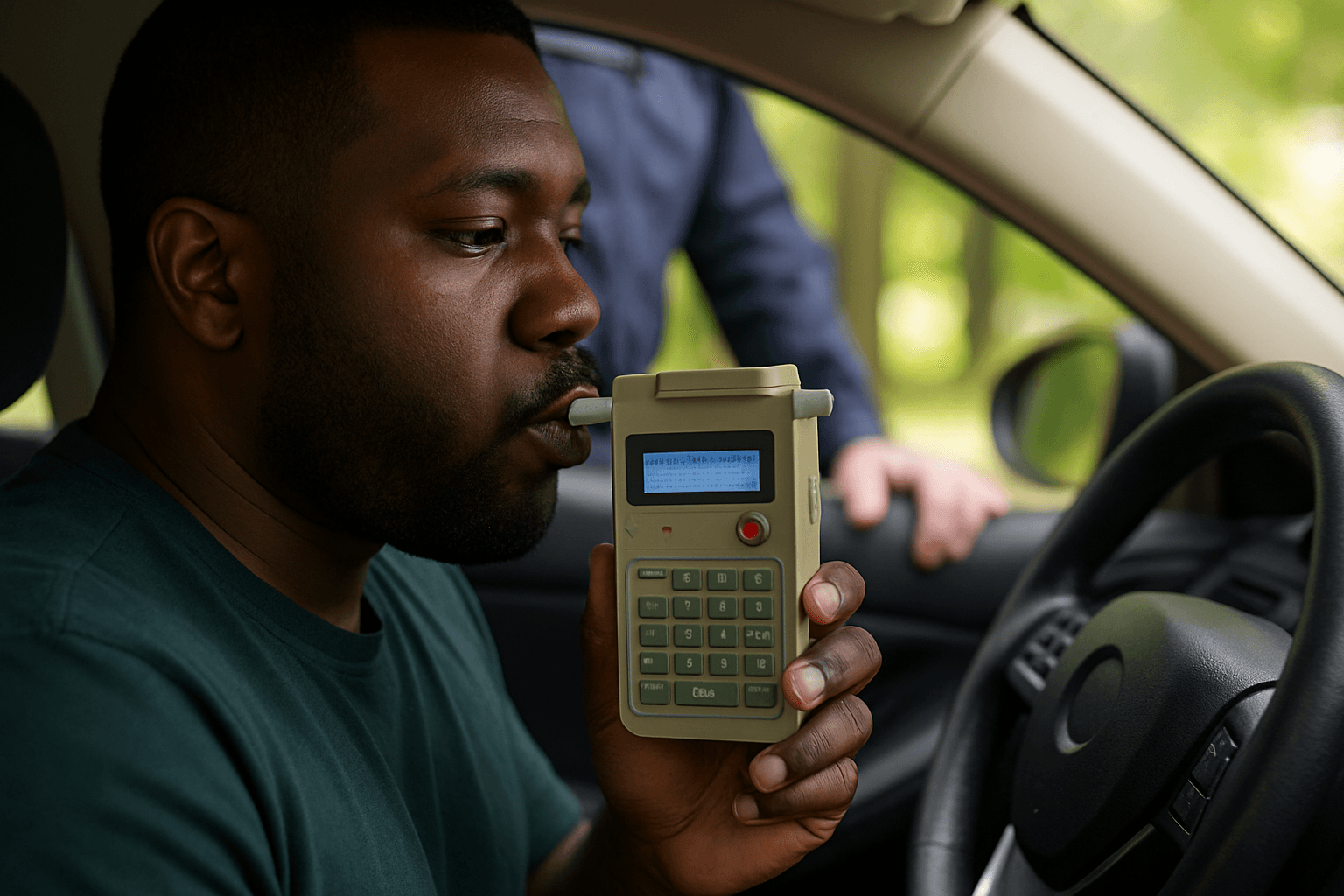
Connecticut's SOP program opens to DUI, points, and other common triggers — but the 45-day hard suspension before first-offense OUI relief catches most applicants off guard. Here's what qualifies and what doesn't.
Which suspension causes make you eligible for a Special Operation Permit in Connecticut?
Connecticut opens the Special Operation Permit program to DUI suspensions, points-based suspensions, and most administrative triggers — wider eligibility than neighboring states like Pennsylvania or New Jersey, where uninsured-cause suspensions lock you out entirely. The critical gate most applicants miss: first-offense OUI requires a 45-day complete hard suspension before the SOP application window opens, measured from the date of suspension, not arrest or conviction.
If you were arrested for operating under the influence and refused the breath test, CGS § 14-227b triggers a separate six-month administrative refusal suspension — longer than the 90-day failed-test suspension — and that refusal period runs independently of any criminal court proceeding. You serve the hard period first, then apply for the SOP or ignition interlock license. Most drivers expect day-one hardship relief; Connecticut's law imposes a mandatory blackout period instead.
Points-based suspensions under CGS § 14-111 do not carry a hard period before SOP eligibility, but the permit requires proof of essential need — employment, medical treatment, or education — documented with employer letterhead, clinic appointment records, or school enrollment verification. The DMV does not grant SOPs for convenience driving or errands; the statute limits approved purposes explicitly.
How does Connecticut's interlock license program overlap with the Special Operation Permit?
Connecticut runs two parallel programs for alcohol-related suspensions: the Special Operation Permit under CGS § 14-37a and the ignition interlock license under the same statute. They are near-equivalent for most drivers — both require installation of a certified IID, both restrict driving to approved purposes, both demand proof of SR-22 financial responsibility — but the application paths differ. The interlock license serves as the primary hardship route for DUI suspensions; the SOP serves broader suspension triggers.
For first-offense OUI, the interlock license becomes available after you serve the 45-day hard suspension. You install the device before the DMV issues the license, not after. Installation costs range $100–$150, monthly monitoring fees run $70–$100, and removal at the end of the restriction period costs another $50–$75. The device logs every breath sample, every failed start, every circumvention attempt — and CT DMV reviews logs monthly. A single failed rolling retest (attempting to start the car while moving) or tampering event triggers automatic revocation.
The SOP without interlock is available for non-alcohol suspensions — points accumulation, unpaid tickets in certain circumstances, administrative violations — but if your suspension stems from DUI, refusing the breath test, or operating with a suspended license after an alcohol-related trigger, the interlock requirement attaches by statute. You cannot opt out.
Compare car insurance rates in your state
Get quotes from licensed carriers — no obligation, no spam, results in minutes.
Get Your Free Quote✓ No Obligation Required✓ Licensed Carriers Only✓ Available Nationwide✓ Free to Compare
What documentation does Connecticut DMV require for a Special Operation Permit application?
The application packet submitted to CT DMV must include proof of the essential need that justifies restricted driving. For employment-based permits, submit a letter on company letterhead signed by your supervisor or HR department stating your work location, shift hours, and confirmation that public transit or rideshare is not feasible. For medical treatment, include appointment schedules from your provider showing recurring visits — one-time appointments do not qualify. For education, submit current enrollment verification and a class schedule.
If your suspension stems from an OUI or refusal, the SR-22 certificate from a licensed Connecticut carrier must appear in the packet before the DMV processes the application. The SR-22 filing period in Connecticut typically runs three years from the conviction date, not the filing date — meaning if you delay filing by six months, the end date does not move forward. Carriers charge $15–$50 to file the form; the premium increase ranges from 40% to 120% depending on your driving record, age, and county.
The application form itself, available at portal.ct.gov/DMV, asks you to list every location you need to drive to, the days of the week, and the specific hours. The permit restricts you to those routes and times only. Driving outside the approved schedule or to unapproved locations — even for a verifiable emergency — violates the permit terms and triggers immediate revocation plus criminal charges for operating under suspension.
Does Connecticut allow Special Operation Permits for unpaid ticket suspensions or child support arrears?
Connecticut does not issue SOPs for unpaid parking tickets, but moving violations that escalate to failure-to-appear suspensions may qualify if the underlying violation was not alcohol-related and you can demonstrate essential need. The DMV evaluates each case individually. Child support arrears suspensions under Title IV-D enforcement are handled separately — reinstatement requires proof of payment plan compliance or arrears clearance, not a hardship permit.
Uninsured motorist suspensions under CGS § 14-213b follow a different reinstatement path: you must provide proof of new or reinstated insurance coverage and pay the DMV reinstatement fee before driving privileges return. The DMV does not grant SOPs during the uninsured suspension period itself, but once you satisfy the insurance requirement and pay the fee, full driving privileges restore immediately — no hardship restriction necessary.
If multiple suspension triggers stack — for example, an OUI suspension plus an uninsured motorist suspension plus unpaid tickets — Connecticut runs them concurrently in some cases and consecutively in others, depending on the statutory framework. The SOP application does not resolve the underlying suspensions; it creates a narrow driving corridor while the full suspension periods expire. You still owe every reinstatement fee, every required course, and every proof-of-compliance filing when the restriction ends.
What happens if you violate the terms of your Special Operation Permit?
Operating outside the approved routes, times, or purposes listed on your SOP constitutes operating under suspension — a misdemeanor criminal offense in Connecticut carrying fines up to $500, potential jail time, and automatic permit revocation. The DMV does not issue warnings. If a patrol officer stops you at 9:00 PM and your permit restricts driving to 6:00 AM – 6:00 PM, the permit is void at the moment of the stop.
Ignition interlock violations — failed breath samples, rolling retests, tampering alerts, or missed calibration appointments — appear in the monthly monitoring report the DMV reviews. A single failed start due to mouthwash or cold medicine does not automatically revoke the permit, but a pattern of failures or any circumvention attempt does. The device manufacturer flags the event, the DMV receives the report, and your interlock license is revoked before you receive written notice.
Violating the permit terms extends your total suspension period in most cases. The court may impose additional suspension time, the DMV may reset your eligibility clock, and the underlying suspension does not toll while the violation is adjudicated. Drivers who violate SOP terms routinely face longer total no-driving periods than drivers who serve the full suspension without applying for relief.
How does SR-22 filing interact with Special Operation Permit approval in Connecticut?
Connecticut requires SR-22 certificates for DUI suspensions, refusal suspensions, and certain uninsured motorist violations. The filing proves you carry liability coverage meeting the state minimum — $25,000 bodily injury per person, $50,000 per accident, $25,000 property damage — and guarantees the carrier will notify CT DMV if the policy lapses. The certificate must remain on file for three years in most DUI cases, measured from conviction, not filing.
Carriers who write SR-22 policies in Connecticut include Geico, Progressive, The General, Dairyland, Bristol West, State Farm, and National General. Not every carrier writes non-owner SR-22 policies for drivers without vehicles; Geico, Progressive, Dairyland, and The General confirm non-owner availability. Non-owner SR-22 policies cost $300–$600 annually in Connecticut — less than standard policies because they cover liability only, no collision or comprehensive.
If your SR-22 policy lapses for non-payment or cancellation, the carrier files an SR-26 termination notice with CT DMV within 10 days. The DMV suspends your license or SOP immediately upon receiving the notice. You cannot reinstate until you file a new SR-22, pay the $175 reinstatement fee, and serve any additional suspension period the lapse triggered. Maintaining continuous coverage for the full three-year filing period is not optional — the clock does not pause if you let the policy lapse.
What alternatives exist if your Special Operation Permit application is denied?
If CT DMV denies your SOP application, the decision letter states the reason: insufficient documentation, ineligibility for your suspension type, or failure to meet the essential-need standard. You can reapply once you correct the deficiency — submit stronger employer documentation, add medical appointment records, or provide proof that public transit genuinely cannot meet your schedule.
Drivers whose suspension stems from unpaid fines or failure-to-appear warrants must clear the underlying violation before the DMV considers a hardship application. Pay the fines, resolve the warrant, request a compliance letter from the court, and submit that letter with your SOP packet. The DMV will not process the application until the triggering violation is resolved.
If no hardship option exists for your situation, the reinstatement timeline becomes the controlling factor. Serve the full suspension, complete any required alcohol education courses or driver improvement programs, pay the $175 reinstatement fee, and provide proof of insurance or SR-22 filing. Connecticut DMV offers an online reinstatement portal at portal.ct.gov/DMV for many suspension types, reducing the need for in-person visits. Once all requirements are met, full driving privileges restore without the route or time restrictions a hardship permit carries.