Most states offer two hardship license application routes. Choosing the wrong one adds weeks to your timeline and costs you filing fees twice.
Why the Application Path Choice Matters Before You File
Your hardship license application route determines your timeline, your cost, and your fallback options if denied. States offering both DMV administrative filing and court-petition routes process them differently: DMV applications typically resolve in 10-30 days with fixed fees, while court petitions require hearings scheduled 30-90 days out with attorney costs ranging $500-$2,500.
The path you choose locks you into that procedural track. Most states prohibit simultaneous filing through both routes, and switching after a denial requires formal withdrawal of the first application. Texas, Illinois, and Ohio allow DMV-first attempts with court appeals on denial. Georgia, Florida, and Wisconsin require choosing one route upfront with no crossover.
Most drivers default to whichever route their attorney or suspension notice mentions first. That choice costs them weeks when the other path would have processed faster for their specific suspension cause.
When the DMV Administrative Path Works Best
DMV administrative hardship applications work cleanly for suspensions with fixed eligibility rules: first-offense DUI with no prior violations, definite-term suspensions under 12 months, and suspensions triggered by insurance lapses or unpaid tickets where reinstatement fees are already paid.
The DMV route requires completing mandatory requirements before applying. Most states mandate SR-22 or FR-44 filing, DUI education enrollment proof, ignition interlock installation confirmation, and reinstatement fee payment before the hardship application is reviewed. Illinois processes occupational license applications within 14 days when all prerequisites are submitted together. Michigan averages 10 business days for restricted license approval when the suspension cause is insurance-related.
DMV staff follow eligibility checklists: your application either meets every requirement or it doesn't. There is no discretion, no mitigating circumstances presentation, and no negotiation over restriction terms. This standardization speeds approvals when your situation fits the checklist but denies applications quickly when it doesn't.
Compare car insurance rates in your state
Get quotes from licensed carriers — no obligation, no spam, results in minutes.
Get Your Free Quote✓ No Obligation Required✓ Licensed Carriers Only✓ Available Nationwide✓ Free to Compare
When Court Petitions Provide the Only Viable Path
Court petitions exist for cases DMV checklists can't accommodate: suspensions with aggravating factors like prior DUI history, indefinite-term suspensions pending child support compliance, and multi-cause suspensions where only partial prerequisites are met.
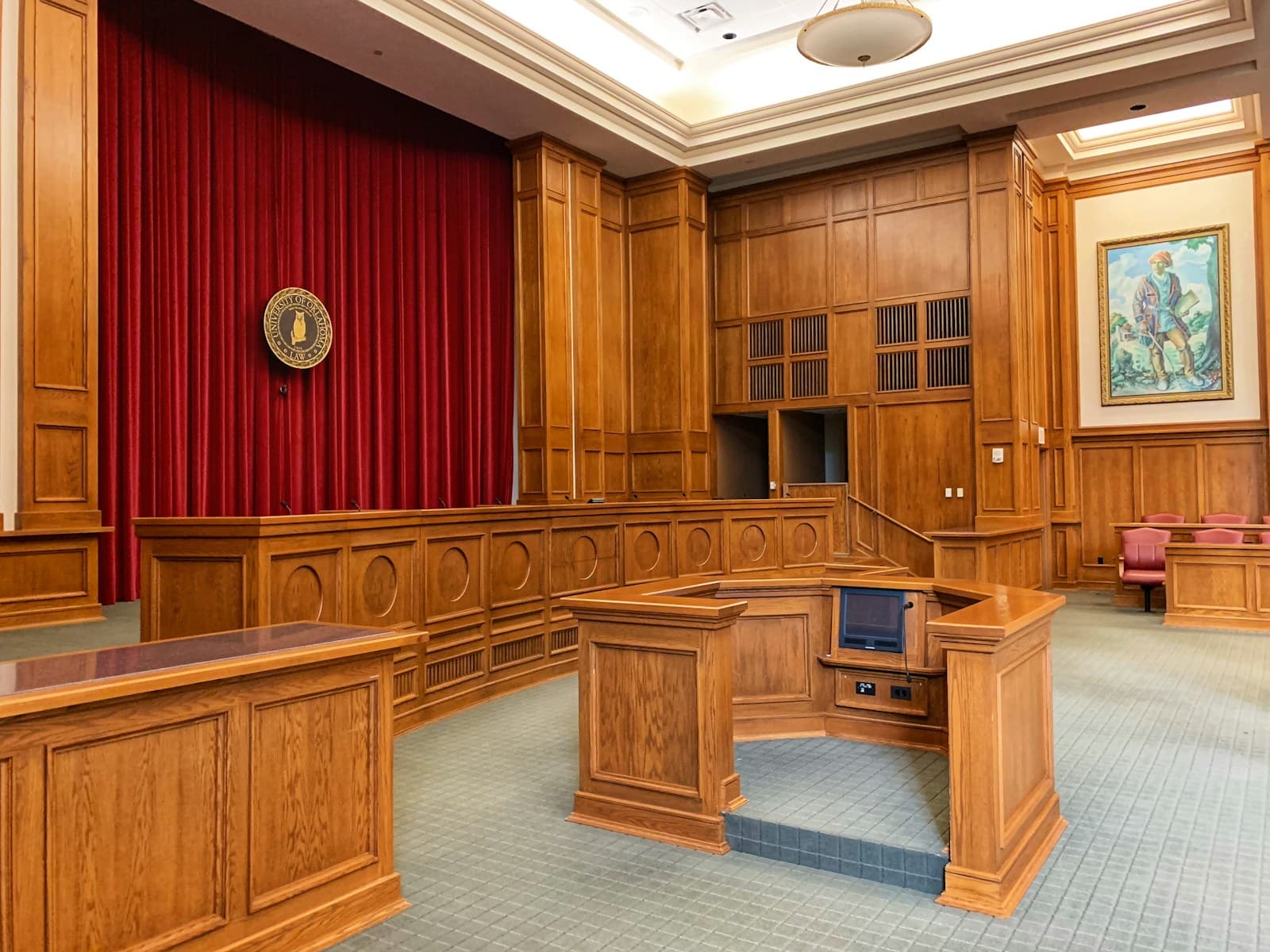
Judges hear petitions in person and weigh severity against necessity. Texas requires court hearings for occupational license requests when the underlying suspension exceeds 12 months or involves commercial driver's license revocation. Florida requires Business Purpose Only license petitions to go through court when the suspension stems from multiple DUI offenses within 5 years. Judges in these hearings consider employment documentation, household dependency proof, medical appointment schedules, and prior compliance history.
The court route takes longer but allows argument. Attorneys present petitions emphasizing employment consequences, dependent care responsibilities, and compliance with completed treatment or education programs. DMV applications don't allow these narratives; they process documents against fixed criteria. Court petitions cost more upfront but provide a hearing when your eligibility is borderline or when mitigating circumstances would move a human decision-maker.
The Geographic and Employment Documentation Test
Your commute structure and job type determine which route processes your restrictions more smoothly. DMV applications approve standardized route restrictions: home to work, work to DUI education, work to medical appointments. Most DMV-issued hardship licenses allow 12-hour driving windows covering typical shift schedules.
Court petitions accommodate non-standard employment patterns. Judges approve route variations for multiple job sites, irregular shift schedules, rideshare or delivery work requiring flexible routing, and self-employment requiring client-site travel. Texas judges commonly approve occupational licenses with county-wide geographical boundaries for construction workers rotating between project sites. Illinois judges grant broader route flexibility for healthcare workers covering multiple facilities on rotating schedules.
DMV applications reject flexibility requests that don't fit template language. If your job requires driving outside fixed routes or outside standard business hours, the court petition route provides the only path to restrictions you can actually comply with. Filing DMV-first with non-standard employment wastes your filing fee when the denial is predictable from the checklist.
How Denial Appeals Differ by Application Path
DMV denials in most states allow administrative appeals within 10-30 days of the denial notice. These appeals remain within the DMV hearing process and review whether staff applied eligibility rules correctly to your submitted documents. You cannot introduce new evidence or argue circumstances; the appeal reviews the same application packet against the same checklist.
Court petition denials follow civil procedure appeal rules. In most states, appealing a denied hardship petition requires filing a notice of appeal to a higher court within 30 days and presenting a legal argument that the judge abused discretion or misapplied statute. These appeals cost $1,500-$5,000 in attorney fees and take 6-12 months to resolve.
The lower-stakes DMV appeal process makes administrative filing the safer first attempt when your eligibility is uncertain. Court petitions should be reserved for cases where DMV denial is certain or where you need restriction flexibility DMV templates don't provide.
What Filing Twice Costs When You Choose Wrong
Switching paths after denial costs you time and money most drivers don't budget for. DMV application fees range $20-$75 and are non-refundable on denial. Court petition filing fees range $150-$400, and attorney representation adds $500-$2,500. If you file DMV first and get denied, then petition the court, you pay both.
Georgia hardship license applicants who file administrative applications without completing DUI school enrollment lose the $25 application fee and wait 90 days before refiling. Texas drivers who petition for occupational licenses without ignition interlock installation pay the $125 petition fee, then pay it again after completing the IID requirement and refiling. These double-fee scenarios are avoidable when you complete prerequisites and choose the correct path based on suspension cause and employment structure.
Most attorneys recommend court petitions for any case with complicating factors because the hearing allows explanation and the denial appeal options are clearer. DMV applications work best for straightforward suspensions where all prerequisites are verifiable before filing and where your job fits standard route and hour templates.