California's restricted license application runs entirely through DMV for most triggers, not the courts. The $125 reissue fee is only the start of the cost stack.
California Uses DMV Administrative Processing, Not Court Hearings
California processes restricted license applications through the Department of Motor Vehicles for most suspension triggers, including DUI and negligent operator (point accumulation) cases. You submit Form DL 205 directly to DMV along with proof of SR-22 filing, payment of the $125 reissue fee, and proof of DUI program enrollment if applicable. This administrative path is faster than court-petition states like Texas or Illinois, where judges control approval.
The DMV administrative hearing (APS hearing) under Vehicle Code §13558 happens before your restricted license application if you contest the suspension. You have 10 days from the APS notice to request the hearing. Missing that 10-day window waives your right to contest, and the suspension takes automatic effect 30 days post-arrest.
For failure-to-appear suspensions under VC §13365 or unpaid-fine suspensions, no restricted license pathway exists. DMV cannot issue restricted driving privileges for these triggers. You must pay the fines or appear in court to lift the suspension entirely.
The $125 Reissue Fee Is Only the First Layer
The $125 reissue fee under California Vehicle Code §14904 covers DMV's administrative reinstatement cost. This is the baseline charge for most suspension types and appears on your restricted license application. It does not include SR-22 filing fees, DUI program enrollment costs, or ignition interlock device installation.
SR-22 filing adds $15-$25 as a one-time carrier processing fee, separate from the insurance premium increase. Premium impact for drivers with DUI-triggered suspensions typically runs $140-$220/month in California, compared to $85-$130/month for clean-record drivers with minimum liability coverage. The SR-22 filing must remain active for 3 years from the restricted license approval date. A lapse triggers immediate re-suspension.
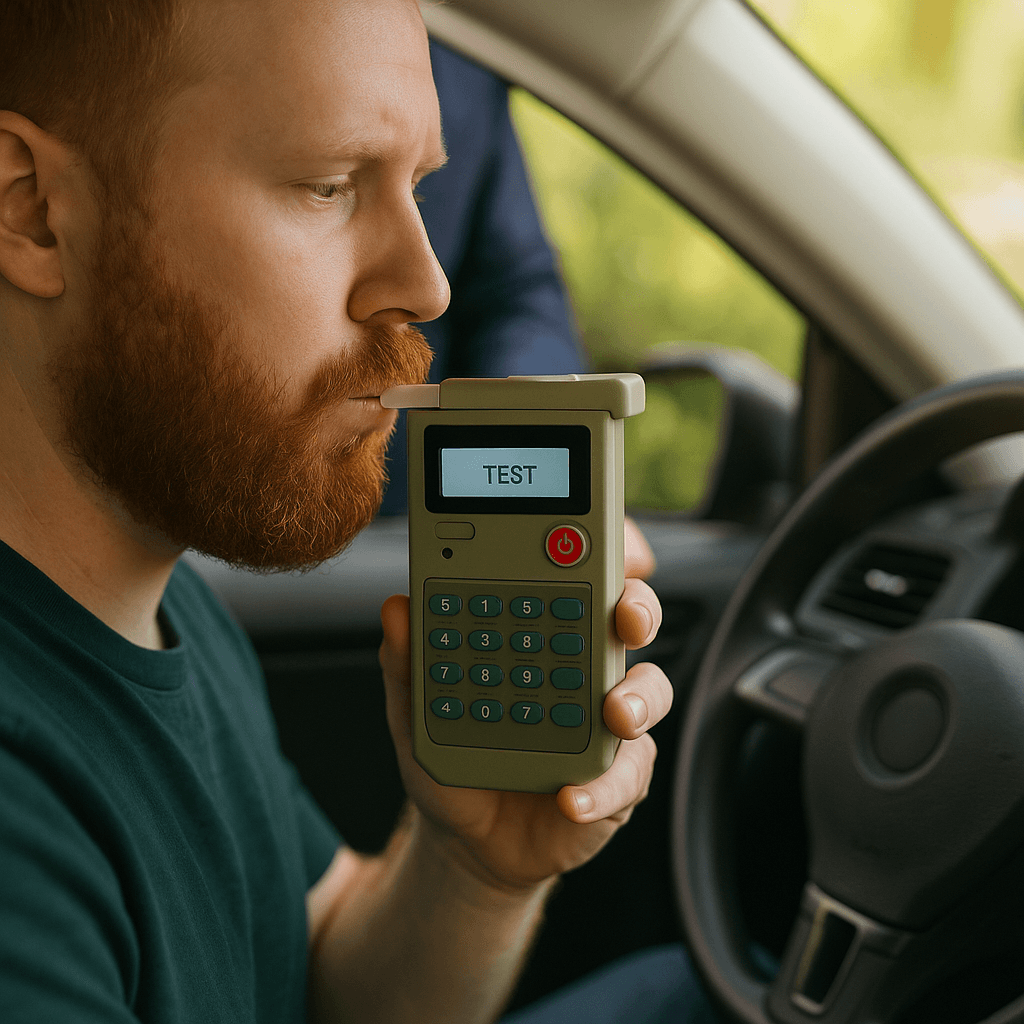
Ignition interlock device installation costs $70-$150 upfront, plus $60-$90/month in monitoring and calibration fees. For first-offense DUI cases opting into the AB 91 IID program, the device stays installed for 12 months during the restricted license period.
Compare car insurance rates in your state
Get quotes from licensed carriers — no obligation, no spam, results in minutes.
Get Your Free Quote✓ No Obligation Required✓ Licensed Carriers Only✓ Available Nationwide✓ Free to Compare
AB 91 IID Bypass Skips the 30-Day Hard Suspension
Under AB 91, effective January 1, 2019, California expanded the ignition interlock device option statewide for first-offense DUI drivers. The program allows you to bypass the mandatory 30-day hard suspension entirely by installing an IID immediately and obtaining a restricted license on day one. This replaces the traditional sequence of 30 days no-driving, then restricted license with IID.
The IID must remain installed for 12 months if you opt into this pathway. You still complete the same DUI education program requirement and maintain SR-22 filing for 3 years. The bypass is not automatic: you must apply for the restricted license and install the device within the enrollment window, typically within 30 days of the APS hearing decision or conviction date.
Second and subsequent DUI offenses face a longer hard suspension period, typically 1 year before restricted license eligibility, and IID installation periods of 2-3 years depending on offense count. The AB 91 first-offense bypass does not apply to repeat offenders.
Restricted License Route and Time Limits
California's restricted license permits driving to and from work, within the scope of employment if your job requires driving, and to and from DUI treatment programs if applicable. Routes are not court-defined or pre-approved. You define the scope based on employment and program attendance needs, and DMV enforces compliance through violation consequence rather than route pre-clearance.
No blanket time-of-day restriction applies under the standard restricted license. The functional limit is purpose-based: you may drive for work commute or DUI program attendance at any hour those purposes require. Driving outside those approved purposes at any time violates the restriction and triggers revocation.
Violating the restriction terms results in immediate revocation of the restricted license and extension of the full suspension period. Most counties enforce through employer verification and DUI program attendance logs. If you miss two consecutive DUI education classes without prior approval, DMV receives a compliance report and may revoke the restricted license without additional notice.
Processing Time and Documentation Requirements
California DMV does not publish a fixed processing timeline for restricted license applications. Typical approval takes 2-4 weeks after DMV receives your complete application package, but processing can extend to 6-8 weeks during high-volume periods or if documentation requires clarification.
The complete application package for DUI-triggered restricted licenses includes: Form DL 205, proof of SR-22 insurance filing (DMV receives electronic confirmation from your carrier, but bring a copy), proof of DUI program enrollment (not completion, just enrollment confirmation from a licensed provider), payment of the $125 reissue fee, and proof of ignition interlock device installation if required for your case.
For negligent operator suspensions (point accumulation), the restricted license application requires proof of SR-22 filing and the reissue fee. DMV may require a reexamination including written test or drive test before approving the restricted license for negligent operator cases, even though the general reinstatement rule does not mandate retesting.
What Happens to Insurance After Restricted License Approval
Maintaining continuous SR-22 insurance is the gating requirement for keeping your restricted license active in California. The SR-22 certificate confirms you carry at least the state minimum liability coverage: $15,000 per person for bodily injury, $30,000 per accident for bodily injury, and $5,000 for property damage.
Carriers writing SR-22 policies in California include Geico, Progressive, State Farm, The General, Dairyland, Bristol West, National General, and Infinity. Not all carriers accept drivers with recent DUI convictions or negligent operator suspensions. Non-standard carriers like Bristol West, Dairyland, and Infinity specialize in high-risk cases and typically offer faster approval, though premiums run higher than standard-tier carriers.
If you do not own a vehicle, non-owner SR-22 insurance satisfies the filing requirement. Non-owner policies provide liability coverage when you drive borrowed or rented vehicles and cost $30-$60/month for clean-record drivers, $70-$140/month for drivers with DUI or suspension history. The SR-22 filing attaches to the non-owner policy and remains valid as long as the policy stays active.