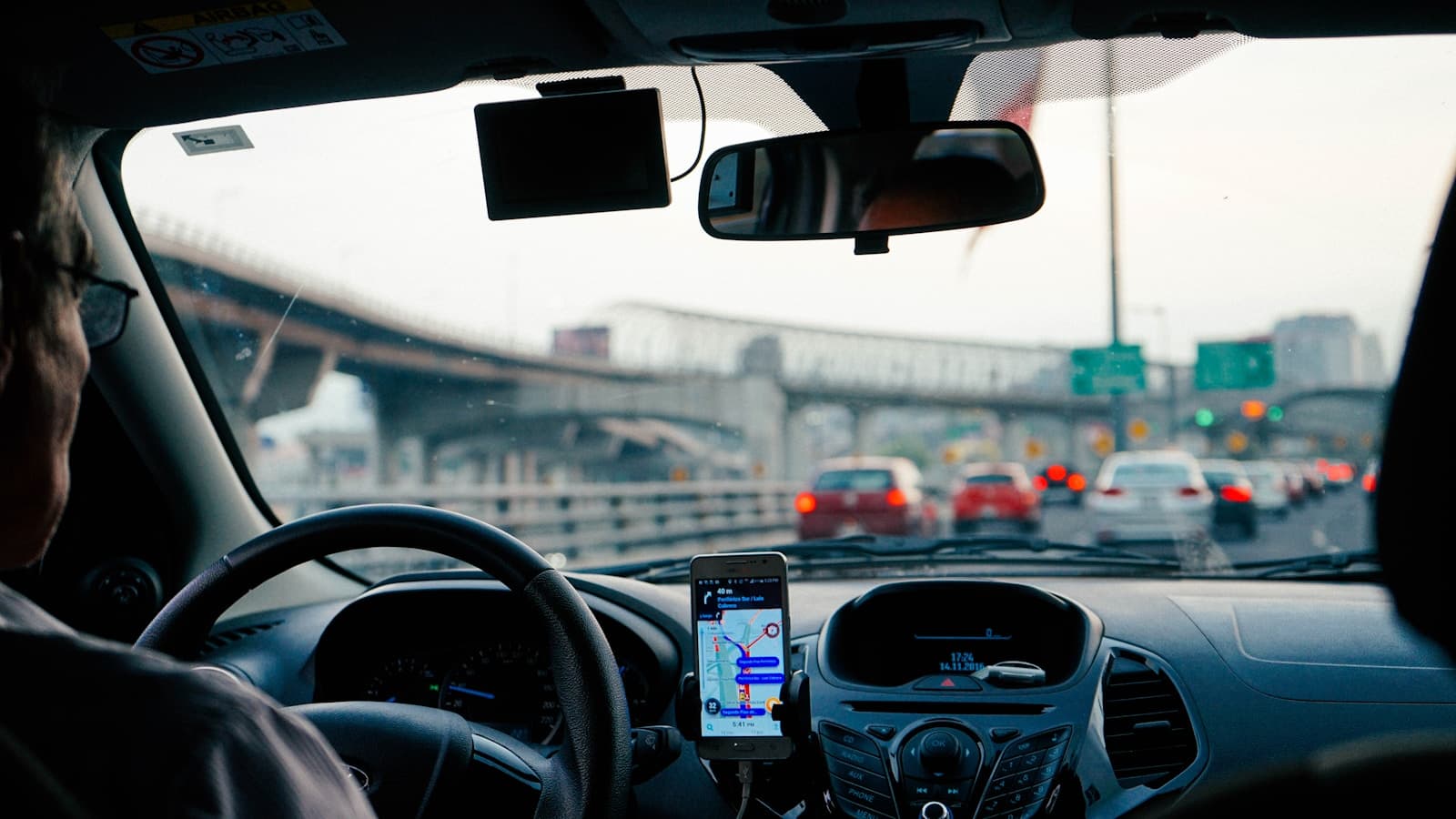
California's restricted license lets you drive to work and DUI programs, but the ignition interlock requirement and SR-22 filing create complications most drivers don't anticipate until they're already approved.
What California's Restricted License Actually Allows You to Do
California's restricted license permits driving to and from work, within the scope of employment if your job requires driving, and to and from a court-ordered DUI treatment program. The restriction is purpose-based, not route-based or time-based. You won't receive a list of approved roads or driving hours, but you are legally limited to these essential purposes only.
The distinction matters because most states issue route-specific or time-specific hardship licenses. California does not. If you're pulled over at 2 a.m. on a Saturday, the restriction doesn't automatically disqualify you—but you must be driving to or from work or your DUI program. Personal errands, grocery runs, medical appointments for non-emergency care, and driving children to school are not covered unless they occur during a work commute.
Violating the restriction—being caught driving for an unapproved purpose—triggers immediate revocation of the restricted license and extends your full suspension period. The DMV does not issue warnings for first violations. The consequence is binary: you lose the restricted license entirely and return to a hard suspension with no driving privileges until your original suspension term expires.
The Ignition Interlock Requirement California Doesn't Explain Upfront
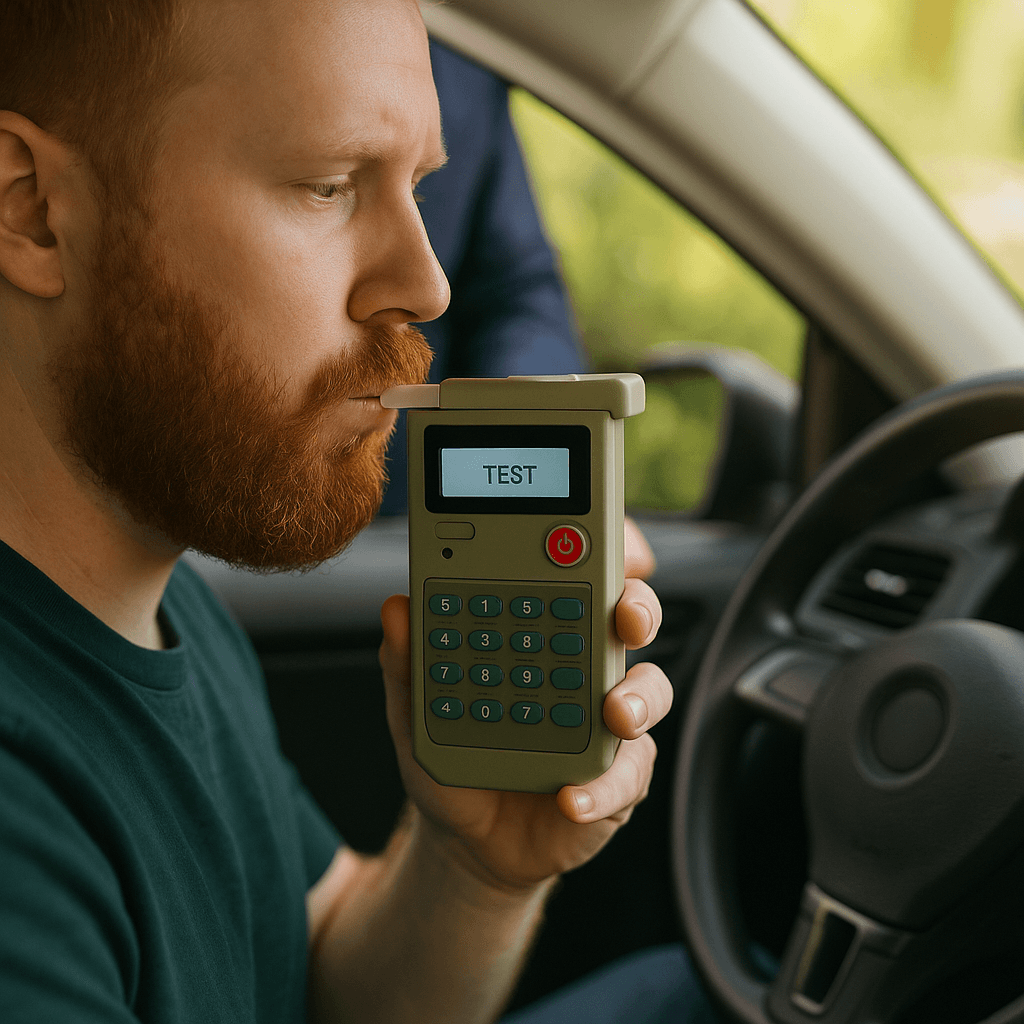
Every DUI-related restricted license in California requires an ignition interlock device installed in any vehicle you will drive. The DMV will not issue the restricted license until you provide proof of IID installation from a state-certified vendor. This is a hard gate, not a post-approval step.
Most applicants assume they apply for the restricted license first, receive approval, then install the device. The actual sequence: install the IID, obtain the installation certificate from the vendor, submit the certificate with your restricted license application, then wait for DMV approval. Reversing this order costs two to four weeks because the DMV will not process your application without the IID proof on file.
The IID must remain installed for the entire restricted license period, which is typically 12 months for first-offense DUI cases under California's AB 91 program. Monthly calibration appointments are mandatory—missing two consecutive calibrations triggers a DMV violation notice and potential revocation of your restricted license. Calibration costs run $60 to $80 per month, plus the initial installation fee of $70 to $150. These costs are separate from your SR-22 insurance premium and the $125 DMV restricted license application fee.
Compare car insurance rates in your state
Get quotes from licensed carriers — no obligation, no spam, results in minutes.
Get Your Free Quote✓ No Obligation Required✓ Licensed Carriers Only✓ Available Nationwide✓ Free to Compare
Why SR-22 Filing Comes Before Restricted License Approval
California requires proof of SR-22 insurance filing before the DMV will approve a restricted license for DUI or negligent operator suspensions. The SR-22 is a certificate your insurance carrier files electronically with the DMV, confirming you carry at least California's minimum liability coverage: $15,000 per person for bodily injury, $30,000 per accident for bodily injury, and $5,000 for property damage.
The SR-22 filing must be active and on file with the DMV when your restricted license application is processed. If you apply for the restricted license before your carrier files the SR-22, the DMV will deny your application or place it in pending status until the filing appears in their system. Most carriers can file the SR-22 electronically within 24 to 48 hours of policy purchase, but DMV system updates lag by an additional one to three business days.
The SR-22 must remain active for three years from your restricted license approval date for most DUI-related suspensions. If your insurance lapses or your carrier cancels the policy during that three-year period, the DMV receives an electronic notification and immediately re-suspends your license—restricted or full. There is no grace period. Reinstatement after an SR-22 lapse requires re-filing, paying a new $55 reissue fee, and potentially restarting the three-year SR-22 clock depending on how long the lapse lasted.
How the 30-Day Hard Suspension Window Works Under AB 91
California's AB 91 program, effective January 2019, imposes a 30-day hard suspension period for first-offense DUI cases before restricted license eligibility begins. During those 30 days, you cannot drive at all—no exceptions, no emergency provisions, no work-related carve-outs. The 30 days run from the effective date on your suspension notice, not from your arrest date or conviction date.
After the 30-day hard period expires, you become eligible to apply for the restricted license if you have completed three steps: enrolled in a DMV-licensed DUI treatment program, installed an ignition interlock device in your vehicle, and obtained SR-22 insurance. The restricted license is not automatic. You must submit Form DL 202 to the DMV, provide proof of IID installation and SR-22 filing, pay the $125 application fee, and wait for DMV approval—which typically takes 7 to 14 business days once all documentation is complete.
Second and subsequent DUI offenses carry longer hard suspension periods—typically one year before restricted license eligibility—and require 18-month or 30-month DUI programs rather than the 3-month or 9-month programs required for first offenses. The restricted license privilege is not available during the hard suspension period for repeat offenders.
What Happens If Your Suspension Wasn't DUI-Related
California's restricted license pathways differ sharply depending on what triggered your suspension. DUI cases follow the AB 91 ignition interlock route described above. Negligent operator suspensions—accumulated violation points—may qualify for a restricted license without an IID requirement, but the DMV often requires a reexamination including a written test and driving test before approval.
Suspensions triggered by unpaid traffic fines, failure to appear in court, or child support arrears do not have a restricted license pathway in California. Vehicle Code Section 13365 explicitly closes hardship license eligibility for failure-to-appear and unpaid-fine suspensions. The only route to reinstatement is resolving the underlying issue: paying the fines, appearing in court, or satisfying the child support order. The DMV has no authority to issue restricted driving privileges while these administrative holds are active.
SR-22 filing requirements vary by suspension trigger. DUI and negligent operator suspensions require SR-22. Uninsured accident suspensions under Vehicle Code Section 16070 require SR-22. Failure-to-appear and unpaid-fine suspensions do not require SR-22 because no restricted license is available—once you resolve the hold and reinstate, you return to full driving privileges without the SR-22 filing step.
The Full License Reinstatement Process After Your Suspension Ends
Once your suspension term expires, California does not automatically restore your full license. You must apply for reinstatement through the DMV, pay the $55 reissue fee, and confirm that your SR-22 filing remains active if your suspension required it. The DMV will not reinstate until all conditions are satisfied: suspension period served in full, all fines paid, DUI program completed if required, and SR-22 on file if applicable.
For DUI suspensions, the SR-22 requirement continues for three years from the date of reinstatement, not from the date of suspension or conviction. If your suspension lasted 12 months and you held a restricted license with SR-22 for that year, you still owe two more years of SR-22 coverage after reinstatement to a full license. Canceling your SR-22 coverage early triggers immediate re-suspension.
The reissue fee is $55 as of current DMV policy, separate from any restricted license application fees you paid earlier. If your suspension was negligent-operator-related, the DMV may require a reexamination before issuing the full license—this is discretionary based on your driving record and whether you accumulated additional violations during the suspension period. Passing the reexamination is a condition of reinstatement; failing it extends the suspension until you pass.
What California's Restricted License Costs From Start to Finish
The total cost of obtaining and maintaining a California restricted license includes the $125 DMV application fee, the ignition interlock device installation fee of $70 to $150, monthly IID calibration fees of $60 to $80 for the duration of the restricted period, SR-22 filing fees of $15 to $50 depending on carrier, and the SR-22 insurance premium increase.
SR-22 insurance premiums in California for DUI-related suspensions typically range from $140 to $240 per month depending on age, county, driving history, and vehicle type. This represents a 60% to 120% increase over standard liability premiums for clean-record drivers. Non-owner SR-22 policies—available if you don't own a vehicle but need to maintain the filing—cost $40 to $90 per month, significantly less than standard vehicle policies.
Over a 12-month restricted license period with IID requirements, total out-of-pocket costs typically fall between $2,800 and $4,200 when combining all fees, device costs, and insurance premiums. This does not include DUI program enrollment fees, which range from $500 to $1,800 depending on program length. The restricted license itself does not reduce these costs—it provides legal driving access during the suspension period in exchange for compliance with the monitoring and insurance requirements.