California requires ignition interlock installation before you can apply for a restricted license after DUI. The device stays active throughout the restriction period, and any skip in calibration triggers automatic DMV suspension — most drivers learn this after missing their first appointment.
IID Installation Must Precede California Restricted License Application
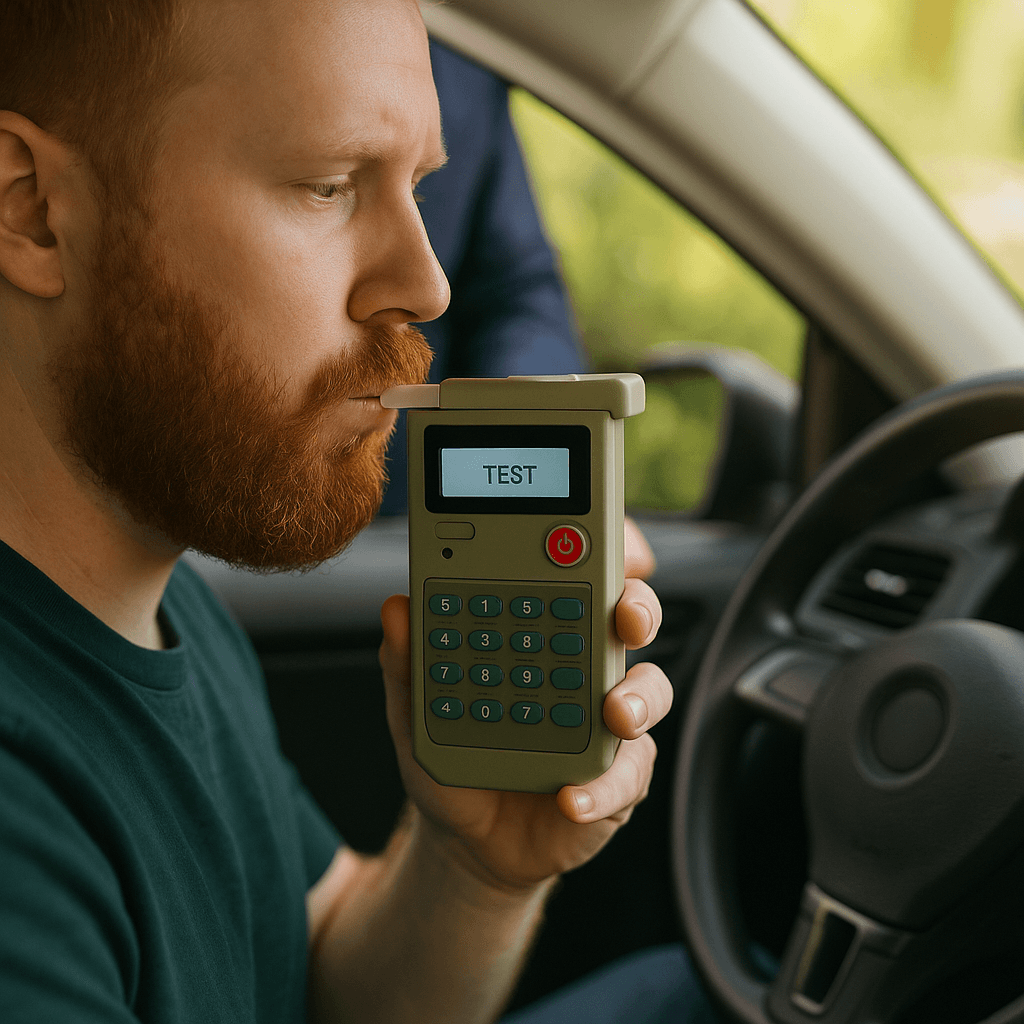
California requires ignition interlock device installation and verification before the DMV will process a restricted license application following DUI suspension. You cannot apply for the restricted license first and install the device later — the installation certificate from a state-certified provider must accompany your DMV application. This sequencing matters because many drivers assume they can secure the license approval before incurring the device cost, but California Vehicle Code Section 13353.7 mandates device installation as a prerequisite, not a post-approval step.
The installation process begins at a DMV-certified ignition interlock provider. California maintains a published list of certified installers on the DMV website; only devices installed by these providers qualify for restricted license purposes. Installation typically costs $75 to $150 upfront, and the provider issues a verification certificate immediately after completing the installation. That certificate — showing the device serial number, installation date, and compliance with California standards — is the document DMV requires alongside your restricted license application.
After installation, you submit the certificate to DMV with your $125 restricted license application fee, proof of SR-22 insurance filing, and documentation of DUI program enrollment if applicable. DMV processes the restricted license application only after verifying the ignition interlock installation is active and compliant. Processing typically takes 5 to 10 business days once DMV receives complete documentation. During this processing window, you may not drive — the hard suspension period remains in effect until DMV physically issues the restricted license.
Monthly Monitoring and Calibration Requirements During the Restriction Period
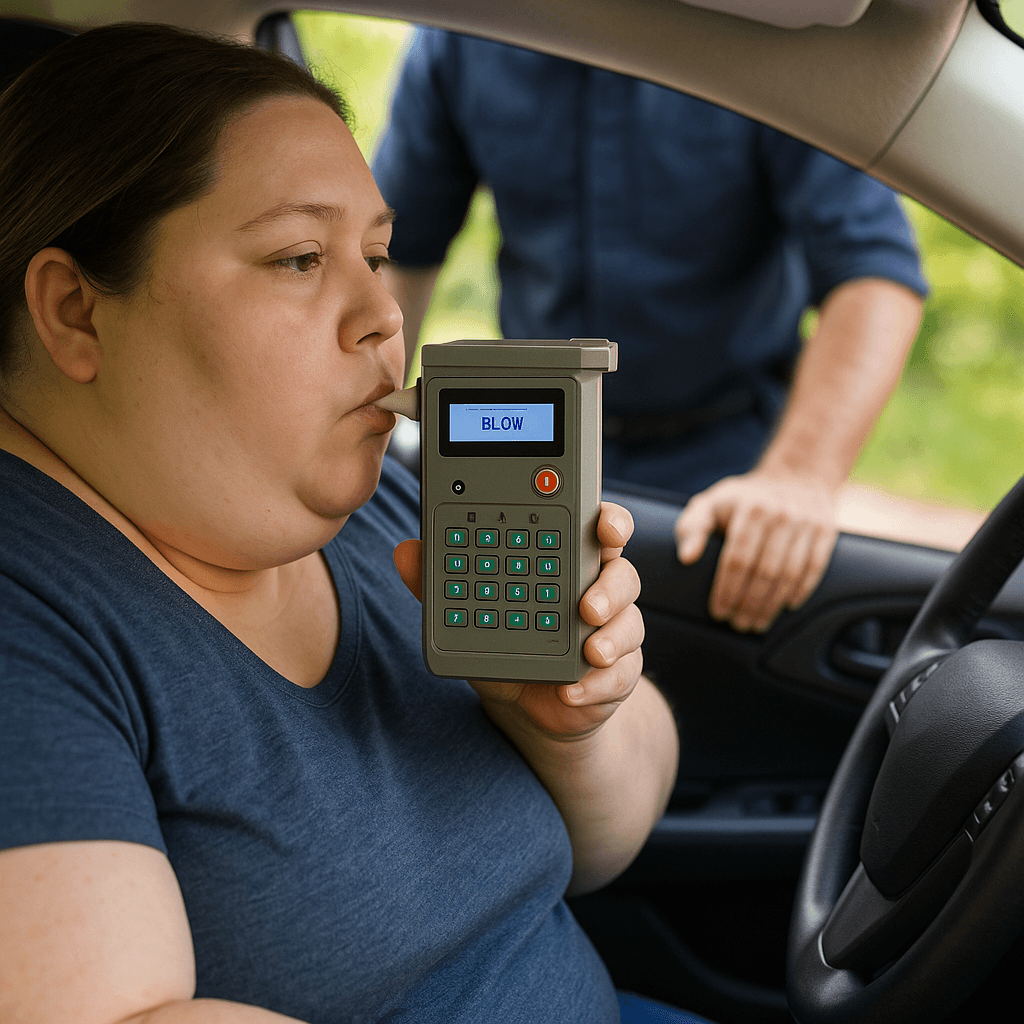
California ignition interlock devices require calibration every 30 to 60 days throughout the restriction period. The calibration interval is set by the device manufacturer and certified provider, not by DMV, and missing a calibration appointment triggers automatic DMV notification. Calibration appointments cost $60 to $80 per visit, and the provider downloads violation data from the device during each session. That data — including failed breath tests, tampering attempts, and skip patterns — is transmitted electronically to DMV within 24 hours of calibration.
DMV receives real-time reports from ignition interlock providers under California's Electronic Monitoring System. If you miss a scheduled calibration by more than 5 days, the provider files a noncompliance report with DMV, and DMV automatically suspends the restricted license. You receive a suspension notice by mail, but the suspension is effective immediately upon DMV's electronic filing — not when you receive the notice. Reinstatement after a calibration-skip suspension requires scheduling the missed calibration, paying a $55 reissue fee to DMV, and restarting the restriction period from the date of reinstatement in some cases.
Failed breath tests do not automatically revoke the restricted license, but a pattern of violations can. California DMV reviews violation data quarterly. A single failed start attempt — blowing above the device's threshold, typically 0.03% BAC — generates a violation record but does not trigger immediate action. Three or more failed attempts within a 30-day period, however, prompts a DMV compliance review and may result in restricted license revocation and extension of the IID requirement period. The standard IID period for first-offense DUI restricted licenses is 12 months, but repeated violations can extend this to 24 or 36 months depending on the number and severity of incidents.
Compare car insurance rates in your state
Get quotes from licensed carriers — no obligation, no spam, results in minutes.
Get Your Free Quote✓ No Obligation Required✓ Licensed Carriers Only✓ Available Nationwide✓ Free to Compare
Total Cost Stack: Installation, Monitoring, Filing, and Insurance Premium Impact
California's ignition interlock requirement imposes a predictable cost structure. Installation runs $75 to $150 upfront. Monthly lease fees for the device range from $70 to $100, totaling $840 to $1,200 over a 12-month restriction period. Calibration appointments every 30 to 60 days add $60 to $80 per visit, contributing another $360 to $960 annually depending on calibration frequency. The $125 DMV restricted license application fee is a one-time charge. SR-22 filing fees vary by carrier but typically add $25 to $50 annually.
Insurance premium increases represent the largest cost component. Drivers with DUI suspensions requiring ignition interlock typically pay $140 to $240 per month for liability-only coverage with SR-22 filing in California, compared to $85 to $120 per month for clean-record drivers. Over the 12-month restricted license period, this premium increase adds $660 to $1,440 to the total cost. The SR-22 filing must remain active for 3 years after reinstatement under California law, and the elevated premium typically persists throughout that period, though some carriers reduce rates after the first year if no additional violations occur.
Total first-year cost for California ignition interlock compliance, including device fees, DMV charges, filing costs, and insurance premium increases, ranges from $2,200 to $4,000. This estimate assumes a first-offense DUI restricted license with a 12-month IID requirement and no calibration skips or violation extensions. Second or subsequent DUI offenses trigger longer IID periods — 2 years for a second offense, 3 years for a third — multiplying the device lease and calibration costs proportionally. Estimates are based on available industry data; individual results vary by driving history, vehicle, coverage selections, and location.
SR-22 Filing Requirement and Coordination with IID Compliance
California requires SR-22 certificate of insurance filing for all DUI-related restricted licenses. The SR-22 filing must be active before DMV will process your restricted license application, and it must remain active for 3 years from the date of reinstatement. Your insurance carrier files the SR-22 electronically with DMV; you do not file it yourself. The filing confirms you carry at least California's minimum liability coverage: $30,000 per person for bodily injury, $60,000 per accident for bodily injury, and $15,000 for property damage.
If your SR-22 filing lapses — because you cancel your policy, miss a payment, or switch carriers without ensuring continuous filing — DMV suspends the restricted license immediately. The suspension is automatic and takes effect the day DMV receives the lapse notification from your previous carrier. Reinstatement after an SR-22 lapse requires purchasing a new policy with SR-22 filing, paying the $55 DMV reissue fee, and restarting the 3-year SR-22 clock in some cases depending on how long the lapse persisted.
Non-owner SR-22 policies cover drivers who do not own a vehicle but need to maintain a restricted license for work or program attendance. Non-owner policies cost $35 to $70 per month in California and satisfy the SR-22 filing requirement, but they do not cover borrowed or rented vehicles in most cases. If you drive a vehicle registered to another household member, that vehicle must carry its own policy with your name added as a listed driver for coverage to apply. Non-owner SR-22 works only when you drive vehicles you do not own and are not regular household users of.
Violation Monitoring Data and the Quarterly DMV Review Process
California DMV reviews ignition interlock violation data every 90 days throughout the restriction period. Violations include failed breath tests (blowing above the device threshold), tampering attempts (disconnecting the device, bypassing wiring, or physically obstructing the camera), and skip patterns (missed rolling retests while driving). Each violation is timestamped and geotagged by the device, and the data is transmitted to DMV during calibration appointments.
A failed breath test registers when you blow above the device's preset limit, typically 0.03% blood alcohol content. The device locks the ignition after a failed test, and you must wait a preset lockout period — usually 5 to 15 minutes — before attempting another test. If you pass the retest, the vehicle starts, but the initial failure is logged. DMV does not act on isolated failed tests, but three or more failures within 30 days triggers a compliance review. During the review, DMV evaluates whether the pattern suggests ongoing alcohol use and whether restricted license terms have been violated. Outcomes range from a warning letter to restricted license revocation and IID period extension.
Rolling retests occur randomly while the vehicle is in operation. The device prompts you to blow into it within 5 minutes of the alert, and failure to provide a passing sample within that window registers as a skip violation. Skip violations accumulate faster than failed breath tests in DMV's review system because they suggest intentional avoidance. Two skip violations within a single month can trigger a compliance review; four within 90 days typically results in restricted license suspension pending a DMV hearing. At the hearing, you must demonstrate the skips were unintentional — caused by traffic conditions, mechanical issues, or medical emergencies — or face extended IID requirements and potential restricted license revocation.
What Happens When the IID Period Ends: Device Removal and Reinstatement
California's ignition interlock requirement ends after the mandated period — 12 months for most first-offense DUI restricted licenses — assuming no compliance violations extended the term. When the period ends, you schedule a device removal appointment with the certified provider. Removal costs $50 to $75, and the provider issues a completion certificate showing the device was removed, the monitoring period concluded, and no outstanding violations remain unresolved.
You submit the completion certificate to DMV alongside a $55 reissue fee to convert the restricted license to a full unrestricted license. This step is not automatic — failing to submit the completion certificate leaves the IID restriction active on your DMV record indefinitely, even after the device is physically removed. DMV processes the unrestricted license application within 5 to 10 business days once it receives the completion certificate and verifies SR-22 filing is still active.
The SR-22 filing requirement persists for 3 years from the original reinstatement date, not from the date the IID period ends. If your restricted license was issued on January 1, 2024, and your IID period ended on January 1, 2025, your SR-22 filing must remain active until January 1, 2027. Canceling your SR-22 filing before the 3-year period concludes triggers immediate suspension, even if you hold a full unrestricted license by that point. Verify current SR-22 duration requirements with your insurance carrier and DMV before making any policy changes during the 3-year monitoring window.
Finding Coverage That Meets California IID and SR-22 Requirements
Not all carriers write policies for drivers with active ignition interlock requirements and SR-22 filing obligations. California carriers that specialize in high-risk and post-DUI coverage include Geico, Progressive, State Farm, Bristol West, Dairyland, and The General. These carriers file SR-22 electronically with DMV and offer payment plans that accommodate drivers rebuilding after suspension.
Quote comparison matters because premium variation is significant. Monthly rates for liability-only coverage with SR-22 filing range from $140 to $240 in California depending on carrier, county, age, and driving history. Some carriers offer discounts for continuous policy tenure or completion of DUI education programs, reducing premiums by 5% to 10% after the first year of the SR-22 filing period. Other carriers maintain flat high-risk pricing throughout the 3-year filing period regardless of claim-free driving.
If you do not own a vehicle but need SR-22 filing to maintain your restricted license, request non-owner SR-22 quotes specifically. Not all carriers offer non-owner policies, and those that do often require phone or broker contact rather than online quoting. Expect non-owner SR-22 premiums between $35 and $70 per month in California. Compare quotes from multiple carriers before purchasing — premium differences of $30 to $50 per month compound to $1,080 to $1,800 over the 3-year SR-22 filing period.