California's restricted license application carries a $125 DMV fee, but the real cost stack—SR-22 filing, DUI program enrollment, and ignition interlock installation—pushes the first-month outlay to $600–$900 for most applicants.
What Does California's Restricted License Actually Cost?
California charges $125 for a restricted license application through the DMV. That figure appears on the application form and on most DMV fee schedules, but it represents only the administrative filing cost—not the full cost stack a suspended driver will encounter.
The $125 DMV fee covers application processing and restricted license issuance. It does not cover SR-22 insurance filing fees (typically $15–$35), ignition interlock device installation (typically $75–$150 upfront, then $60–$80 monthly), or DUI program enrollment fees (typically $500–$650 for the 9-month first-offense program). Most applicants discover the real first-month outlay is $600–$900 when they add device installation, filing fees, program enrollment, and the premium increase tied to SR-22 status.
Processing time runs approximately 7–10 business days after the DMV receives your completed application, proof of SR-22 filing, and DUI program enrollment documentation. The DMV does not issue restricted licenses immediately at the counter—applications are reviewed, and the restricted license is mailed to the address on file. If you need to drive for work before the restricted license arrives, you cannot. The hard suspension remains in effect until the physical restricted license is in hand.
When Does the Ignition Interlock Requirement Add to Your Budget?
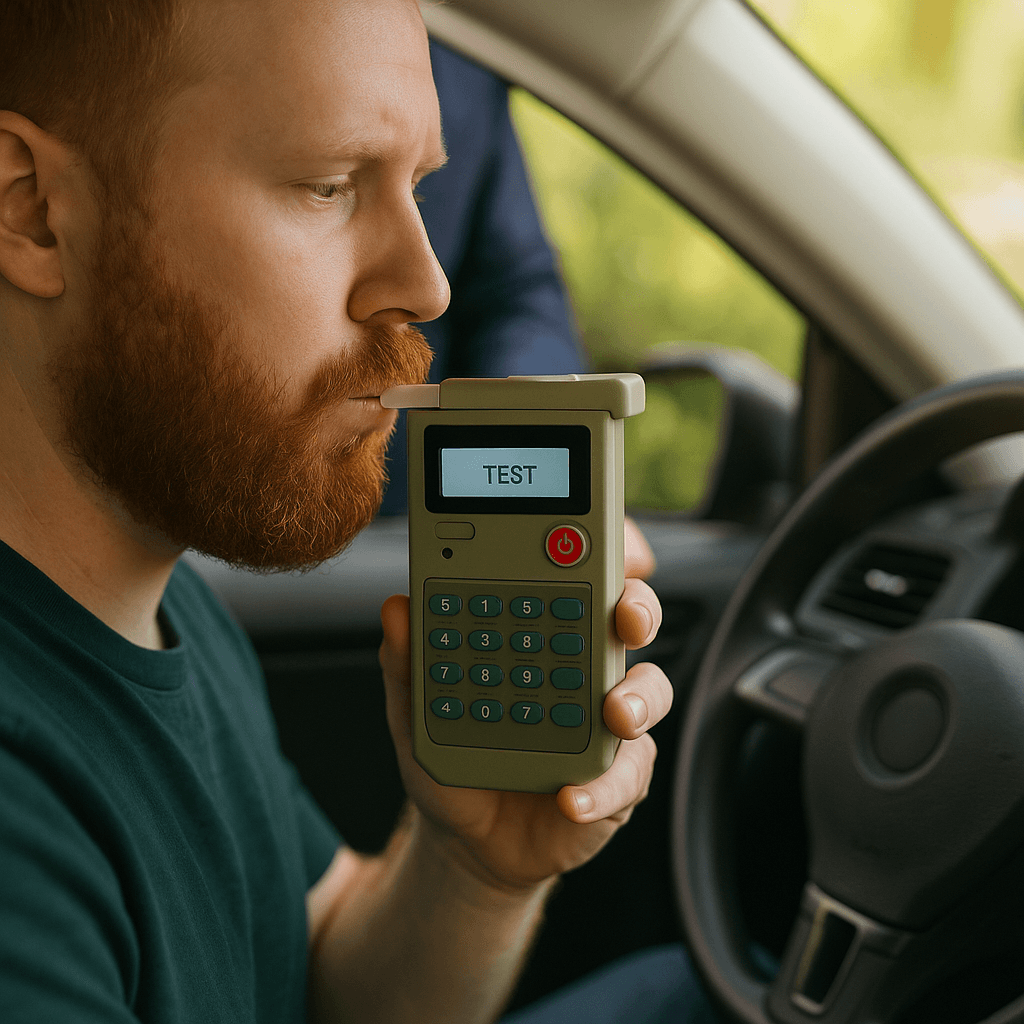
California requires an ignition interlock device for all DUI-triggered restricted licenses under Vehicle Code §13353.3. The requirement is not optional, and the device must be installed by a state-certified provider before the DMV will approve your restricted license application.
Installation fees range from $75 to $150 depending on provider and county. Monthly monitoring fees run $60 to $80, and most providers require a minimum 5-month contract. Total first-year IID cost typically lands between $850 and $1,100. The device itself does not satisfy the restricted license requirement—it is a prerequisite for obtaining the license. You cannot drive to work on a restricted license without a functioning, compliant IID installed in the vehicle you will operate.
If you do not own a vehicle, California does not waive the IID requirement. You must install the device in any vehicle you plan to drive under the restricted license, including a family member's vehicle or an employer's vehicle if you drive it for work purposes. The employer or vehicle owner must consent to the installation. If no vehicle is available, you cannot obtain a restricted license—California does not issue restricted licenses without IID compliance for DUI cases.
Compare car insurance rates in your state
Get quotes from licensed carriers — no obligation, no spam, results in minutes.
Get Your Free Quote✓ No Obligation Required✓ Licensed Carriers Only✓ Available Nationwide✓ Free to Compare
What Does SR-22 Filing Add to the Total?
California requires an SR-22 certificate of financial responsibility for most restricted license applications, particularly those triggered by DUI or uninsured driving violations. The SR-22 itself is not insurance—it is a filing your insurer submits to the DMV proving you carry at least the state's minimum liability coverage: $15,000 per person, $30,000 per accident for bodily injury, and $5,000 for property damage.
Carriers charge a one-time filing fee ranging from $15 to $35 to submit the SR-22 to the DMV. The larger cost is the premium increase. Drivers who require SR-22 filings pay approximately 40% to 80% more than standard-risk drivers for the same coverage, depending on violation severity, age, and county. A driver who previously paid $120 per month for liability coverage might see that rate climb to $170–$215 per month after adding SR-22 status.
California requires SR-22 maintenance for 3 years from the date of restricted license issuance for most DUI cases. If your policy lapses or your insurer cancels coverage, the DMV receives automatic notification, and your restricted license is suspended immediately without additional warning. Reinstatement after SR-22 lapse requires a new SR-22 filing, payment of the $55 reinstatement fee under California Vehicle Code §14904, and resolution of any gap period the DMV identifies.
How Do DUI Program Enrollment Fees Fit Into the Timeline?
California does not issue restricted licenses for DUI suspensions without proof of enrollment in a state-licensed DUI program. Enrollment must occur before the DMV will process your restricted license application—attendance alone is not sufficient. The program provider must submit proof of enrollment directly to the DMV, and most providers charge an enrollment fee separate from tuition.
The standard first-offense DUI program in California is a 9-month course costing approximately $500 to $650 depending on county and provider. Enrollment fees range from $50 to $100, and tuition is typically divided into monthly installments of $50–$75. If you complete enrollment but miss two consecutive classes, most programs administratively drop you from the roster, and the DMV is notified. Your restricted license is then revoked without a hearing. Reinstatement requires re-enrollment, payment of a second enrollment fee, and a new restricted license application.
Second-offense DUI suspensions require an 18-month program, and high-BAC first offenses may require an 18-month or 30-month program depending on your blood alcohol concentration at arrest. The longer programs cost proportionally more—typically $1,200 to $1,800 total for the 18-month program and $2,000 to $2,500 for the 30-month program. The DMV will not issue a restricted license until enrollment is confirmed for the correct program tier.
What Happens If You Miss the Application Window?
California does not impose a fixed application window for restricted licenses, but practical timing matters. You cannot apply until the 30-day hard suspension period has passed for first-offense DUI cases. If you apply during the hard suspension, the DMV will deny your application without refund of the $125 fee.
If you wait more than 90 days after your suspension begins to apply, you risk complications with DUI program enrollment documentation—many programs will not backdate enrollment proof, and the DMV requires proof of enrollment at the time of application, not retroactive proof. If your suspension is lifted before you apply for a restricted license, you cannot apply—restricted licenses are only available during an active suspension period. Once reinstatement becomes available, the restricted license pathway closes.
Applications submitted without all required documentation are not held in pending status—they are rejected, and the $125 fee is not refunded. Most rejections occur because applicants submit the application before receiving SR-22 proof of filing from their insurer or before the DUI program provider submits enrollment confirmation to the DMV. Both documents must be in the DMV's possession before your application is reviewed.
What Insurance Options Work for California Restricted License Holders?
Drivers who need a restricted license typically fall into non-standard or high-risk insurance tiers, and not all carriers write policies for suspended drivers. Standard carriers like State Farm and Allstate may decline to write new policies for drivers with active suspensions, leaving you with non-standard carriers that specialize in SR-22 filings and high-risk drivers.
Carriers that commonly write SR-22 policies in California include Geico, Progressive, The General, Bristol West, Dairyland, and Acceptance Insurance. Non-owner SR-22 policies are available for drivers who do not own a vehicle but need to meet the SR-22 filing requirement—these policies cost less than standard liability policies because they cover only driver liability, not a specific vehicle. Non-owner SR-22 premiums in California typically range from $50 to $90 per month for minimum liability coverage.
If you own a vehicle, you must carry a standard liability policy with SR-22 filing—non-owner policies do not cover vehicles you own or regularly use. If you drive an employer's vehicle for work under your restricted license, the employer's commercial policy typically covers the vehicle, but you still need your own non-owner SR-22 policy to satisfy the DMV's filing requirement. Confirm with your employer's insurer before assuming coverage applies to you as a restricted license holder.