
Applying for Oklahoma's Modified Driver License: Process and Steps
Free to compare
Which Application Track Your Suspension Type Requires
Oklahoma runs two completely separate Modified Driver License application systems. If your suspension came from a criminal or traffic conviction—DUI, reckless driving, multiple moving violations—you petition the district court that handled your case. If your suspension came from an administrative action—implied consent refusal, point accumulation, uninsured motorist violation—you apply through the Oklahoma Department of Public Safety directly.
Most drivers discover the track split only after filing with the wrong agency. The distinction matters because the two tracks use different forms, different approval authorities, and different timelines. Court petitions require a hearing date set by the judge's calendar. DPS applications move through an administrative review queue with no hearing unless you request one.
DUI cases trigger both tracks simultaneously. The arrest generates an immediate administrative license revocation through DPS under implied consent law. The conviction generates a separate judicial suspension through the court. You need DPS approval for the administrative revocation and court approval for the conviction-based suspension—two Modified Driver Licenses, not one.
The Mandatory Hard Suspension Period Before You Can Apply
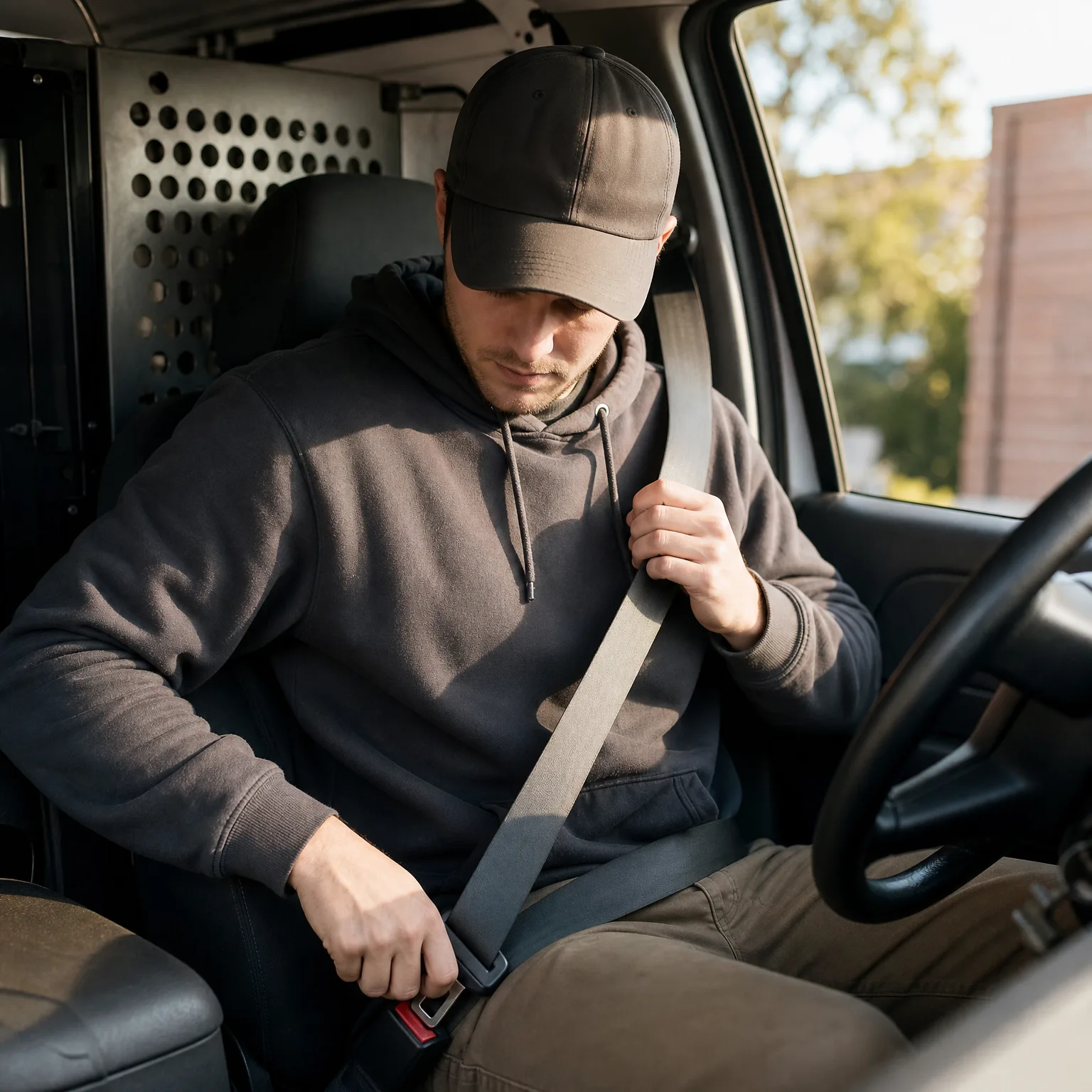
Oklahoma's Egan's Law imposes a mandatory hard suspension period before any Modified Driver License becomes available for DUI and APC offenses. First-offense DUI requires a 30-day hard suspension measured from the revocation effective date, not the arrest date. Higher BAC readings or refusal cases carry longer hard periods. No hardship driving is permitted during this window.
The hard suspension clock starts when DPS processes the administrative revocation or when the court enters the conviction order, whichever comes first. You cannot shorten this period by filing early. Judges and DPS reviewers will deny applications submitted before the hard period expires.
Other suspension types—unpaid fines, uninsured motorist violations, point accumulation—typically do not carry mandatory hard suspension periods. You can apply for the Modified Driver License as soon as the suspension takes effect.


Documentation Required for Both Application Tracks
Court petitions require an employer affidavit on company letterhead stating your work schedule, work address, and essential driving duties. DPS applications require the same employer documentation plus proof of SR-22 insurance filing where applicable. Both tracks require proof of enrollment in any court-ordered programs—ADSAP assessment, DUI education classes, substance abuse treatment.
If your suspension involved uninsured driving, you must show SR-22 filing before either track will process your application. The SR-22 certificate from your insurer serves as proof. Oklahoma requires SR-22 filing for three years after uninsured motorist suspensions and most DUI-related revocations.
Ignition interlock device installation is mandatory for DUI-triggered Modified Driver Licenses after the hard suspension period ends. You need the IID installation receipt from an Oklahoma DPS-certified provider before the court or DPS will approve your application. The device stays installed for the entire Modified Driver License period, plus any additional time the court or DPS orders.
How the Court Petition Process Works
You file the petition in the same district court that handled your underlying conviction. The petition form is available through the court clerk's office. You pay the court filing fee at submission—typically $50 to $150 depending on county, separate from the DPS reinstatement fee.
The court sets a hearing date, usually 2 to 4 weeks out. You or your attorney must appear. The judge reviews your employment documentation, your reason for needing driving privileges, and your compliance with any ordered programs. The judge defines the permitted routes and time windows in the order granting the Modified Driver License.
If the judge approves, you take the signed court order to any DPS driver license office. DPS issues the physical Modified Driver License card after verifying your SR-22 filing, IID installation receipt, and payment of the $125 reinstatement fee. The court order alone does not authorize driving—you need the physical card DPS issues.

Get the Coverage Your Hardship License Needs
Get My Hardship License Quote
How the DPS Administrative Process Works
DPS administrative applications use Form 7606, available at dps.ok.gov/dls or at any driver license office. You submit the completed form with employer documentation, SR-22 proof, and IID installation receipt to DPS Driver Safety Programs. The application fee is typically included in the $125 reinstatement fee, but verify current fee structure at submission.
DPS reviews your application without a hearing unless you request one or unless the suspension involved aggravating factors. Review times vary—allow 10 to 21 business days for initial processing. DPS will mail a decision letter to the address on your application.
If approved, DPS defines the permitted routes and time windows in the approval letter. You take the approval letter, your reinstatement fee payment receipt, and your identification documents to any DPS driver license office to receive the physical Modified Driver License card. Driving before you hold the physical card is driving under suspension.
Route and Time Restrictions DPS and Courts Impose
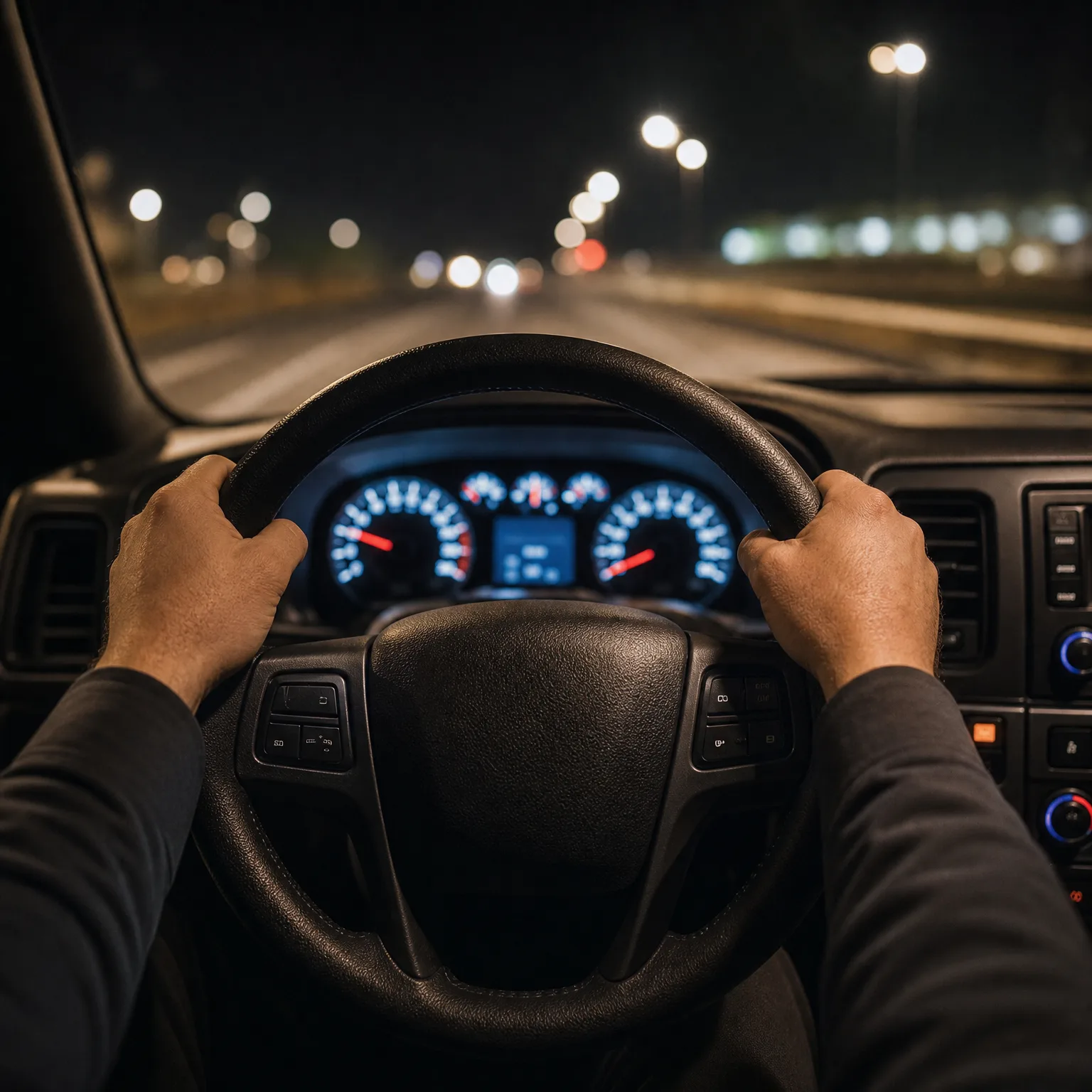
Oklahoma Modified Driver Licenses permit driving for work, school, medical appointments, and essential household purposes only. The approval authority—court or DPS—defines the specific routes and time windows. Most approvals restrict driving to direct routes between home and the listed destinations during hours tied to your employment schedule or appointment times.
DPS-issued Modified Driver Licenses typically allow a 1-hour window before and after work shifts to account for commute variability and essential errands. Court-issued Modified Driver Licenses define windows in the judge's order, which may be more restrictive. You cannot use Modified Driver License privileges for social driving, recreational trips, or errands unrelated to the approved purposes.
Violating the route or time restrictions triggers immediate revocation of the Modified Driver License and extends your full suspension period. Law enforcement officers can verify Modified Driver License restrictions in real time through the DPS system. If you're pulled over outside permitted hours or routes, the officer will confiscate the card and cite you for driving under suspension.
What Modified Driver License Insurance Coverage Costs
SR-22 filing itself costs $25 to $50 depending on your insurer. The premium increase for drivers needing SR-22 after a suspension averages $95 to $160 per month in Oklahoma, on top of your base liability premium. DUI-triggered suspensions see higher increases—typically $140 to $210 per month—because insurers classify you as high-risk for three years.
Ignition interlock device costs add $75 to $150 per month for the device lease, installation fee of $100 to $200, and monthly calibration fees of $60 to $100. Oklahoma requires IID for the full Modified Driver License period on DUI cases, which compounds the insurance premium increase. Estimates based on available industry data; individual rates vary by driving history, vehicle, coverage selections, and location.
Non-owner SR-22 policies work for Modified Driver License holders without a vehicle. You maintain the required SR-22 filing and liability coverage without insuring a specific car. Non-owner policies typically cost $40 to $80 per month in Oklahoma, significantly less than standard policies, but they do not cover a vehicle you own or regularly drive.
Frequently Asked Questions
Can I apply for a Modified Driver License immediately after my Oklahoma suspension starts?
DUI and APC suspensions require a mandatory 30-day hard suspension before you can apply under Egan's Law. Other suspension types—unpaid fines, uninsured motorist violations, point accumulation—typically allow immediate application once the suspension takes effect. The hard suspension period is measured from the revocation effective date, not the arrest or filing date.
Do I need a lawyer to file a Modified Driver License petition in Oklahoma court?
You can file the petition yourself without a lawyer. The court clerk provides the petition form and filing instructions. However, court hearings require you to present evidence of employment need, compliance with ordered programs, and proposed driving routes. Attorneys familiar with Modified Driver License petitions in your county can strengthen your case and handle procedural requirements more efficiently.
What happens if I drive outside the hours or routes my Modified Driver License allows?
Violating route or time restrictions triggers immediate revocation of your Modified Driver License and extends your full suspension period. Law enforcement can verify your restrictions in real time through the DPS system. If stopped outside permitted hours or routes, the officer will confiscate your card and cite you for driving under suspension, which adds new penalties and extends your timeline to full reinstatement.
How long does the ignition interlock device stay on my car in Oklahoma?
Oklahoma requires ignition interlock for the entire Modified Driver License period on DUI cases, plus any additional time the court or DPS orders. First-offense DUI Modified Driver Licenses typically run 12 to 18 months after the hard suspension ends. The IID remains installed until your full driving privileges are reinstated and DPS removes the IID restriction from your record.
Can I use my Oklahoma Modified Driver License in another state?
Modified Driver Licenses are valid only in Oklahoma. Other states do not recognize Oklahoma's restricted driving privileges. If you move to another state during your suspension period, you must apply for that state's hardship or occupational license program separately. Your Oklahoma suspension and SR-22 requirement follow you to the new state through the interstate Driver License Compact.
Do I still need SR-22 after my Modified Driver License period ends?
Yes. Oklahoma requires SR-22 filing for three years after most DUI-related and uninsured motorist suspensions, measured from the reinstatement date, not the suspension start date. Your Modified Driver License period counts toward the three-year filing requirement, but the SR-22 obligation continues after full reinstatement until the three-year mark. Letting your SR-22 lapse triggers immediate re-suspension.
Related Articles

Oklahoma Modified License Eligibility by Cause
5/18/2026

Oklahoma Modified License: IID Rules & Application Path
5/18/2026

Oklahoma Hardship License Rules: Routes & Hours
5/18/2026

Driving to Work on a Suspended License in Colorado
5/18/2026

Driving to Work on a Suspended License in Arkansas
5/18/2026
Driving to Work on a Suspended License in Missouri
5/18/2026