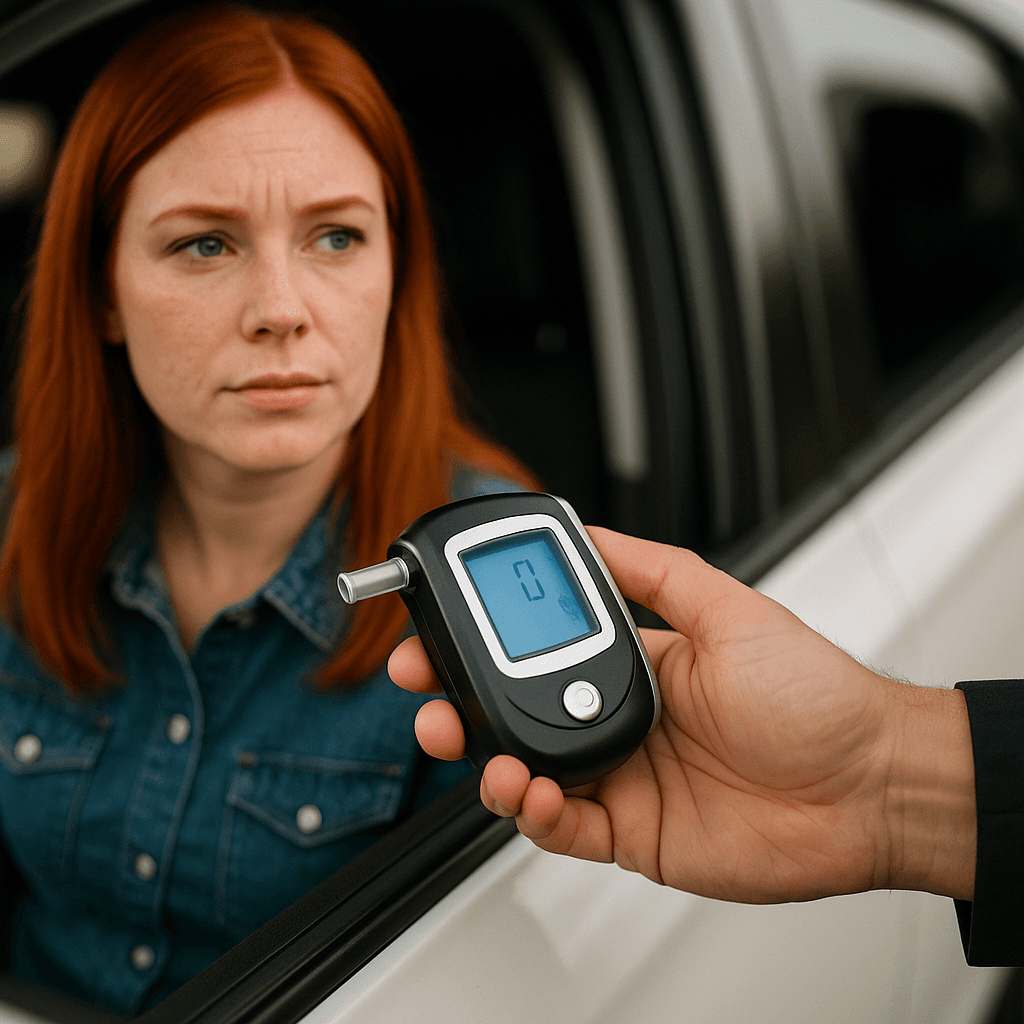
Nebraska offers two parallel hardship pathways depending on what triggered your suspension. DUI drivers pursue the Ignition Interlock Permit with a 60-day hard suspension first; most other causes use the Employment Driving Permit with no mandatory waiting period.
Nebraska's Two Permit Systems: Which One Applies to Your Suspension
Nebraska operates two separate restricted-driving programs, and applying for the wrong one delays your entire timeline. Employment Driving Permits (EDP) are available for most suspension causes through the DMV administrative process. Ignition Interlock Permits (IIP) are the required pathway for DUI-related suspensions and require device installation plus completion of a mandatory hard suspension period before you can apply.
First-offense DUI suspensions carry a 60-day hard suspension under Nebraska's Administrative License Revocation statute (Neb. Rev. Stat. § 60-498.01). You cannot drive at all during this period, and the IIP application cannot be submitted until the hard suspension ends. Second and subsequent DUI offenses carry longer hard suspension periods before interlock eligibility begins.
Points-based suspensions, insurance lapse suspensions, and most non-DUI violations follow the EDP pathway through the Department of Motor Vehicles. There is no mandatory hard suspension for these causes. You can submit your application as soon as the suspension takes effect, and processing typically takes 10 to 14 business days once all required documentation is received.
What the Employment Driving Permit Actually Allows
The EDP restricts you to driving necessary to maintain employment, attend school, obtain medical treatment, or fulfill other DMV-approved purposes. This is not a general driving privilege. Your permit will list specific hours and days tied to your work schedule, school enrollment, or medical appointment calendar.
Route restrictions apply: you must drive the most direct path between your home and the approved destination. Stops for groceries, errands, or social visits are violations even if they occur during approved driving hours. Nebraska DMV enforcement has discretion to revoke the permit immediately if you are stopped outside your approved routes or times.
Time restrictions are built into the permit itself. If your job requires you to work variable shifts, you must provide documentation showing the full range of possible schedules. The DMV will approve hours broad enough to cover your employment requirements, but the burden is on you to demonstrate the need. Drivers who list Monday-Friday 8am-5pm and later get stopped driving home at 7pm on a Saturday have no valid defense.
Compare car insurance rates in your state
Get quotes from licensed carriers — no obligation, no spam, results in minutes.
Get Your Free Quote✓ No Obligation Required✓ Licensed Carriers Only✓ Available Nationwide✓ Free to Compare
Required Documentation and Application Fees
Nebraska requires a completed application form, proof of your qualifying need, SR-22 proof of insurance (in most cases), and a $50 application fee. The fee is non-refundable even if your application is denied. For employment purposes, acceptable proof includes a signed letter from your employer on company letterhead stating your job title, work address, and required hours. For school purposes, provide enrollment verification and a class schedule. For medical purposes, provide a letter from your treating physician documenting appointment frequency and necessity.
SR-22 insurance filing is required for most suspension causes before the DMV will process your EDP application. DUI-related suspensions, uninsured driving suspensions, and at-fault accidents while uninsured all trigger the SR-22 requirement. You must contact your insurance carrier or an SR-22 specialist to file the certificate electronically with the Nebraska DMV before you submit your hardship application. The filing itself costs $15 to $50 depending on your carrier, and your premium will increase significantly once the SR-22 is active.
If your suspension is tied to unpaid fines, outstanding child support arrears, or failure-to-appear warrants, you must resolve those holds before the DMV will approve any hardship application. Nebraska does not waive underlying compliance requirements just because you need to drive for work.
Application Path: DMV Administrative Process
Nebraska Employment Driving Permits are processed through the Department of Motor Vehicles, not through the courts. You submit your application packet to the DMV Driver and Vehicle Records division either in person at a DMV office or by mail to the address listed on the application form. Court involvement is not required for standard EDP applications unless your suspension was imposed by a judge as part of a criminal sentence.
Processing time depends on completeness of your initial submission. Applications missing employer verification, proof of insurance, or payment are returned without review. Complete applications typically take 10 to 14 business days for the DMV to approve or deny. You will not receive a courtesy call or email if documentation is missing; the packet simply comes back in the mail.
Once approved, the restricted permit is mailed to the address on file with the DMV. You cannot drive until the physical permit card arrives, even if you receive verbal approval over the phone. Nebraska law enforcement will not accept a printout or email confirmation. Plan for an additional 5 to 7 business days for postal delivery after approval.
Ignition Interlock Requirements for DUI Suspensions
DUI-related suspensions in Nebraska require installation of a state-approved ignition interlock device for the entire duration of your restricted driving period. This applies whether you pursue the Ignition Interlock Permit or wait out your suspension and reinstate with full privileges later. The device must be installed by a Nebraska-certified vendor before the DMV will issue your IIP.
Installation costs range from $70 to $150, and monthly lease fees range from $60 to $90 depending on the vendor and monitoring plan. You are responsible for all device costs; the state does not subsidize installation or maintenance. Missed calibration appointments, tampering attempts, or failed breath tests are reported electronically to the DMV and can result in immediate permit revocation and extension of your total suspension period.
The ignition interlock requirement is governed by Neb. Rev. Stat. § 60-6,211.05 for IIP holders and Neb. Rev. Stat. § 60-6,211.11 for post-suspension reinstatement. Even if you never apply for a hardship permit, full license reinstatement after a DUI revocation requires proof of interlock installation and compliance for a period determined by your offense number and BAC level at arrest.
What Happens If You Violate Permit Restrictions
Driving outside your approved hours, routes, or purposes is immediate grounds for Employment Driving Permit revocation. Nebraska DMV does not issue warnings for first violations. If you are stopped by law enforcement while driving to a location not listed on your permit, the officer will confiscate the restricted license on the spot and file a violation report with the DMV.
Revocation of your EDP extends your total suspension period. You will not be eligible to reapply for another hardship permit until the original suspension term expires, and in many cases the DMV will add additional suspension time as a penalty. The reinstatement fee when your full suspension ends increases from $125 to a higher tier if your record shows a revoked hardship license.
Missed interlock calibration appointments for IIP holders trigger automatic device lockout. You will not be able to start your vehicle until you complete the missed appointment and pay a reinstatement fee to the vendor. The DMV is notified electronically of every missed appointment, and three missed appointments within a 12-month period result in IIP revocation and referral back to the court that imposed your original DUI sentence.
Insurance Cost Impact and SR-22 Filing Duration
SR-22 filing adds between $400 and $1,200 per year to your auto insurance premium in Nebraska, depending on your age, driving history, and the violation that triggered the suspension. DUI-related SR-22 filings carry the highest surcharge. Uninsured driving and at-fault accidents while uninsured carry moderate surcharges. Most SR-22 policies are written by non-standard carriers specializing in high-risk drivers.
DUI suspensions require 3 years of continuous SR-22 coverage in Nebraska. The clock starts on the date your insurance carrier files the certificate with the DMV, not the date of your arrest or conviction. If your policy lapses for any reason during the 3-year period, your carrier is required to notify the DMV electronically, and your suspension is reinstated immediately. You must start the 3-year clock over from the date you re-file.
Non-owner SR-22 policies are available if you do not own a vehicle but need to meet the filing requirement to obtain an Employment Driving Permit. Non-owner policies cost $300 to $600 per year and cover you when driving vehicles you do not own. If you later purchase a vehicle, you must convert to a standard SR-22 policy and notify the DMV within 10 days.