Alabama's restricted license isn't granted by ALEA directly—you petition a circuit court judge who sets your route, hours, and interlock duration. Your county's judge holds more authority over your timeline than any published DMV rule.
Why Circuit Court Controls Your Alabama Restricted License—Not ALEA
Alabama requires a formal petition to the circuit court in your county of residence to obtain a Restricted License, the state's formal name for hardship driving privileges. ALEA (Alabama Law Enforcement Agency) administers driver licensing, but it does not issue or approve restricted licenses. The circuit court judge assigned to your case holds sole authority to grant the petition, define allowed routes, set permissible hours, and determine ignition interlock duration if your suspension stems from DUI.
This court-petition structure creates county-level variation in outcomes. A Jefferson County judge may require three months of clean driving on public transit proof before granting restricted privileges for a first DUI suspension, while a Mobile County judge may grant the petition immediately upon payment of fees and SR-22 filing. There is no statewide standardized approval timeline published by ALEA because ALEA does not control the decision.
Most drivers lose weeks preparing a DMV-style application packet when they should be preparing a court petition with employment verification, route documentation, and attorney representation. If you petition without documenting the specific addresses you need to reach daily and the exact hours you need access, many judges will deny the petition outright rather than approve a vague driving window. Alabama Code § 32-5A-191 establishes the legal framework, but individual judges interpret what qualifies as "essential need" differently across Alabama's 67 counties.
What Documentation Alabama Circuit Courts Actually Require for Restricted License Petitions
Your petition must include proof of employment or another essential need recognized by Alabama courts: medical treatment, educational enrollment, or court-ordered obligations like custody exchanges or probation appointments. An employer affidavit on company letterhead stating your work address, shift hours, and the consequences of not appearing is the most commonly accepted employment proof. Self-employment requires tax documentation showing active income, client contracts, or business registration with the Alabama Secretary of State.
DUI-related suspensions trigger an additional documentation layer: you must file an SR-22 certificate with ALEA before the court will consider your petition. The SR-22 filing proves you carry liability insurance meeting Alabama's $25,000 per person, $50,000 per accident bodily injury, and $25,000 property damage minimums. Non-owner SR-22 policies are available if you do not own a vehicle but need proof of financial responsibility to petition the court. The filing must remain active for three years following DUI-related revocations—canceling SR-22 coverage during that period automatically revokes your restricted license and reinstates the full suspension.
Payment of applicable fees is required before the court hearing. Alabama's $275 reinstatement fee applies to most suspension types, with an additional $200 fee for DUI-related reinstatements per current ALEA fee schedules. Court filing fees vary by county—typically $150 to $300—and are paid to the circuit clerk's office when you submit the petition. Ignition interlock device installation, if required, costs approximately $70 to $150 for installation and $60 to $90 per month for monitoring and calibration, paid directly to the IID provider. The court will not grant the petition until you provide the IID provider's certificate of installation showing the device is active in the vehicle you listed on your petition.
Compare car insurance rates in your state
Get quotes from licensed carriers — no obligation, no spam, results in minutes.
Get Your Free Quote✓ No Obligation Required✓ Licensed Carriers Only✓ Available Nationwide✓ Free to Compare
How Alabama Ignition Interlock Requirements Shape Your Restricted License Terms
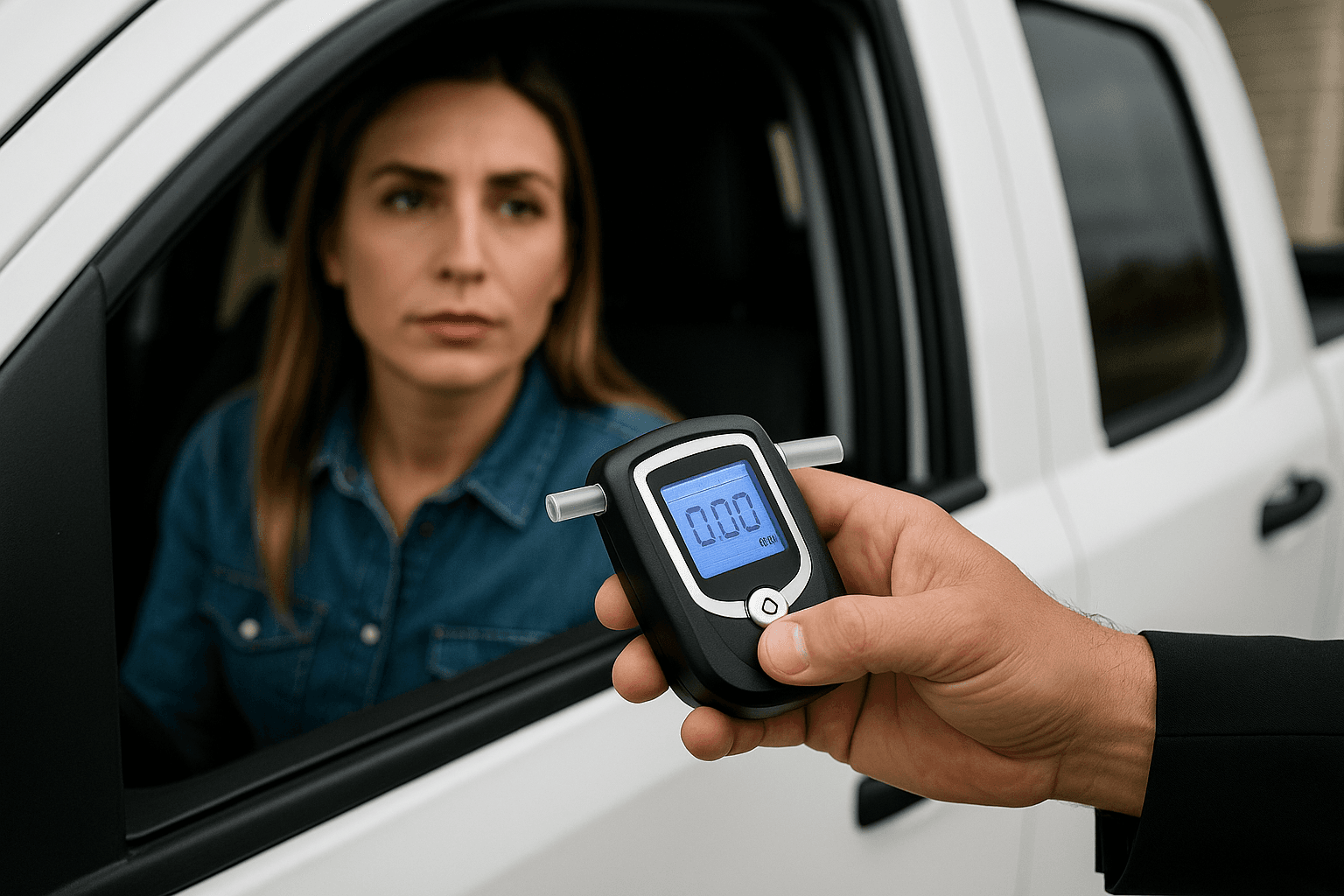
Alabama Code § 32-5A-191 mandates ignition interlock installation for restricted licenses granted after DUI-related suspensions. The device is calibrated to prevent the vehicle from starting if it detects a blood alcohol concentration above 0.02 percent. You must blow into the device before starting the engine and at random rolling retests while driving. Failing a rolling retest or disconnecting the device triggers an immediate violation report to ALEA and the court, typically resulting in revocation of your restricted license without another hearing.
The interlock requirement applies to any vehicle you operate under the restricted license, not just a vehicle you own. If your employer allows you to drive a company vehicle to job sites, that vehicle must have an interlock installed unless the court specifically excludes employer-owned vehicles from the restriction—a rare exemption granted only when the employer files an affidavit stating they will not permit you to drive unmonitored. Most employers refuse to install IID equipment on fleet vehicles, forcing restricted license holders to use personal vehicles or arrange alternative transportation for work-related driving.
Interlock duration is set by the judge at the time of petition approval. First-offense DUI suspensions typically require six months to one year of interlock use before the court will consider removing the device or converting the restricted license to full reinstatement. Repeat offenses may require two to five years of continuous interlock monitoring. Missing monthly calibration appointments counts as a violation even if you did not fail a breath test—IID providers report missed appointments directly to ALEA, and most judges treat missed calibrations as seriously as failed tests.
What Route and Time Restrictions Actually Mean in Daily Practice
Alabama circuit courts define your restricted license terms in the order granting the petition. The order will specify approved routes—usually listed as a set of addresses you are permitted to travel between—and the hours during which you may drive. A common restricted license order for employment purposes permits travel between your home address, your work address, and one additional stop for childcare or medical appointments, limited to the hours necessary for those activities plus a reasonable commute buffer.
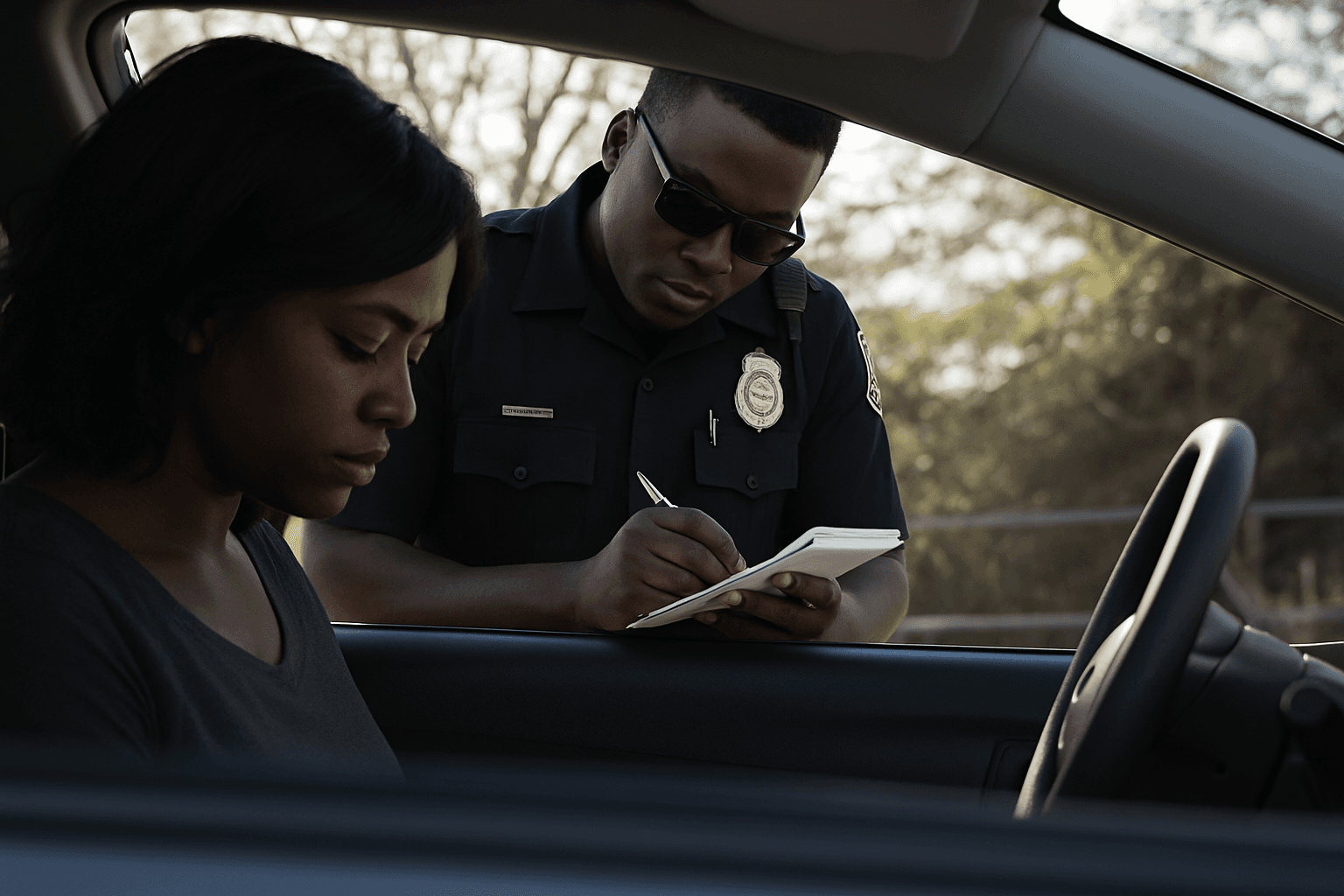
The route restriction is not a suggestion. If you are stopped by law enforcement outside the geographic corridor defined in your court order, the officer will cite you for driving on a suspended license even though you hold a restricted license. That citation triggers automatic revocation of the restricted license and subjects you to additional criminal penalties under Alabama Code § 32-6-19, including fines up to $500 and possible jail time for repeat violations. Courts rarely grant appeals after a route violation—judges interpret deviation from the order as disregard for the restricted license terms.
Time restrictions function the same way. If your order permits driving Monday through Friday from 6:00 AM to 6:00 PM, driving at 7:00 PM on a Wednesday to pick up groceries is a violation. Some judges grant 24-hour restricted licenses for shift workers whose schedules vary week to week, but you must document the variable schedule with employer affidavits showing the need for round-the-clock access. Emergency exceptions—such as driving a family member to the hospital outside your permitted hours—are not automatically excused. You must petition the court for an amended order if your circumstances change, and most judges require at least two weeks' notice before modifying terms.
How DUI Hard Suspension Periods Affect Restricted License Eligibility Timing
Alabama imposes a mandatory hard suspension period for certain DUI-related violations, during which no driving is permitted and no restricted license may be granted. The exact length of the hard suspension varies by offense number and whether you refused chemical testing. First-offense administrative license suspension (ALS) under Alabama Code § 32-5A-304 for test failure triggers a 90-day suspension, but eligibility for a restricted license may begin after 30 days if you petition the court and meet all other requirements.
Chemical test refusal under Alabama's implied consent law results in a 90-day administrative suspension for first refusal with no hardship license available during that period. This is a significant procedural distinction: test-failure suspensions allow restricted license petitions after a waiting period, while refusal suspensions close the restricted license pathway entirely for the duration of the refusal penalty. Second and subsequent refusals extend the suspension to one year or longer, again with no restricted driving permitted.
Judicial discretion plays a larger role in Alabama than in states with DMV-administered hardship programs. Even after the hard suspension period expires, the judge may deny your petition if you have not completed required DUI education classes, paid all fines and court costs, or demonstrated stable employment. There is no automatic approval once the waiting period ends—each petition is evaluated on its merits, and denials are common when documentation is incomplete or when the petitioner has additional violations during the suspension period.
What Happens to Your Restricted License If You Move Out of Alabama or Change Counties
Alabama restricted licenses are valid only within Alabama and only under the terms set by the issuing circuit court. If you relocate to another state while holding an Alabama restricted license, that state will not recognize the restricted license as valid—you must apply for reinstatement or a hardship license under the new state's laws. Most states check the National Driver Register (NDR) and will deny a new license application until your Alabama suspension is fully resolved and all fees are paid.
Moving to a different county within Alabama does not automatically transfer your restricted license terms. The original court order remains binding, but if your new county of residence is far from the addresses listed in the original order, you must petition the new county's circuit court for an amended order reflecting your new home, work, and route. Judges in the new county are not required to honor the original county's terms—they may impose stricter route or time limits, require additional documentation, or deny the petition entirely if they determine the move indicates instability.
Failing to update your address with ALEA within 30 days of moving is a separate violation under Alabama Code § 32-6-9 and can result in additional fines and suspension of your restricted license. ALEA does not automatically notify the circuit court of your address change, so you must file an amended petition with the court separately from updating your driver license record.
How to Find SR-22 Coverage That Meets Alabama Court Petition Requirements
Alabama requires SR-22 insurance for DUI-related restricted license petitions and for most reinstatements after suspension. The SR-22 is not a separate insurance policy—it is a certificate filed by your insurer with ALEA proving you carry liability coverage meeting state minimums. Not all insurers file SR-22 certificates in Alabama, so you may need to switch carriers or add a non-owner SR-22 policy if your current insurer does not offer SR-22 filing.
Non-owner SR-22 policies provide liability coverage when you drive vehicles you do not own. These policies are common for restricted license petitioners who sold their car during suspension or who plan to borrow a vehicle for work. Monthly premiums for non-owner SR-22 in Alabama typically range from $40 to $90 depending on your age, violation history, and county of residence. Standard SR-22 policies for drivers who own vehicles typically cost $140 to $250 per month after a DUI suspension, with higher rates in urban counties like Jefferson, Mobile, and Madison.
The SR-22 filing fee itself is usually $15 to $50, paid once at the time your insurer submits the certificate to ALEA. That fee is separate from your premium. Coverage must remain active for the full three-year SR-22 filing period. If you cancel your policy or let it lapse, the insurer is required to notify ALEA immediately, triggering automatic suspension and revocation of your restricted license. Reinstating after an SR-22 lapse requires paying the $275 reinstatement fee again, filing a new SR-22 certificate, and in most cases petitioning the court again for a new restricted license order.