Alabama's Restricted License requires a circuit court hearing, not a DMV form. DUI cases face mandatory IID installation; points and uninsured cases can petition, but the court decides—no automatic approval.
Why Alabama's Restricted License Requires a Court Hearing
Alabama does not offer a Restricted License through the Alabama Law Enforcement Agency (ALEA) Driver License Division. You petition the circuit court in the county where your suspension originated, and a judge decides whether to grant restricted driving privileges. This judicial process means your approval depends on judicial discretion, not checklist compliance.
The circuit court evaluates your petition against state statute requirements, your suspension cause, and your documented need. Employment, medical appointments, and school attendance carry weight. Courts typically grant petitions for DUI-related suspensions after the mandatory hard suspension period ends, but points accumulation and uninsured driving cases face inconsistent outcomes across counties.
You file a petition with the circuit court clerk, pay applicable court fees (varies by county, typically $50-$200), and attend a hearing. The judge reviews your documentation—employer affidavit, proof of SR-22 filing if required for your cause, proof of ignition interlock installation if DUI-related—and issues an order defining your route and time restrictions. No hearing means no restricted license.
Which Suspension Causes Qualify for Alabama's Restricted License
Alabama allows restricted license petitions for DUI convictions, points accumulation, and uninsured driving suspensions. The court accepts petitions for these causes, but eligibility timing and documentation requirements differ.
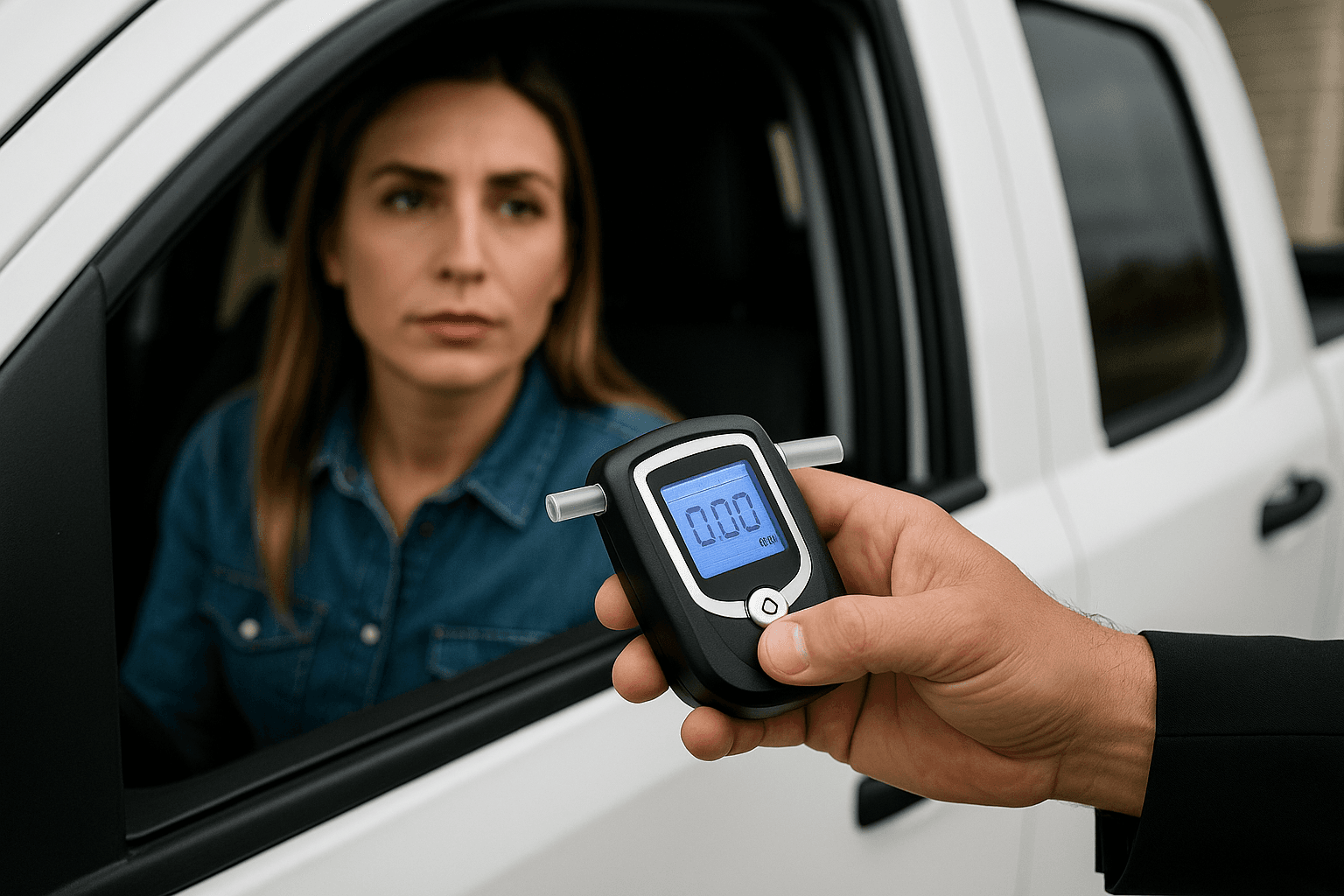
DUI-related suspensions require completion of a mandatory hard suspension period before you can petition. First-offense administrative license suspension (ALS) under Alabama Code § 32-5A-304 triggers a 90-day suspension for test failure. Chemical test refusal suspensions do not allow restricted license petitions during the refusal period. Once the hard suspension period ends, you can petition, but ignition interlock installation is mandatory for any DUI-related Restricted License.
Points accumulation suspensions (12 points in two years under Alabama's point system) and insurance lapse suspensions allow petitions without a mandatory hard period, but courts evaluate your driving record closely. Unpaid ticket suspensions and failure-to-appear suspensions are not explicitly excluded, but Alabama statute does not create a presumptive path for these causes—petition outcomes depend entirely on the judge.
Compare car insurance rates in your state
Get quotes from licensed carriers — no obligation, no spam, results in minutes.
Get Your Free Quote✓ No Obligation Required✓ Licensed Carriers Only✓ Available Nationwide✓ Free to Compare
What Alabama's Ignition Interlock Requirement Actually Costs
Alabama Code § 32-5A-191 requires ignition interlock installation for any Restricted License granted after a DUI conviction. You cannot petition for restricted driving without proof of IID installation from an ALEA-approved vendor. This cost stack hits before the judge approves your petition.
Installation fees run $100-$150. Monthly monitoring and calibration fees (required every 30-60 days) cost $70-$90 per month. If your Restricted License approval lasts 12 months, total IID costs reach $940-$1,230 before you regain full driving privileges. These fees are paid to the IID vendor, not ALEA or the court. Alabama does not subsidize IID costs for low-income petitioners.
Your SR-22 certificate of financial responsibility adds another layer. DUI-related Restricted Licenses require SR-22 filing with an Alabama-licensed carrier. Filing fees range $25-$50, and your insurance premium increases immediately. SR-22 Insurance premiums in Alabama for DUI suspensions typically run $140-$210/month, compared to $85-$120/month for standard liability coverage. SR-22 must remain active for 3 years following DUI-related revocations—cancellation triggers automatic license suspension.
How to File a Restricted License Petition in Alabama
Obtain the circuit court petition form from the clerk's office in the county where your suspension originated. Alabama does not offer a statewide standardized form—each circuit court may use slightly different formats, but all require the same core documentation.
Gather your documentation before filing. You need an employer affidavit on company letterhead stating your work schedule, work address, and confirmation that your job requires driving or that public transit is unavailable. If seeking restricted privileges for medical appointments, obtain a letter from your physician documenting appointment frequency and necessity. School enrollment verification works the same way—registrar letter with class schedule and campus address.
File the petition with the circuit court clerk and pay the filing fee. The clerk schedules your hearing date, typically 2-6 weeks out. Attend the hearing with all original documentation. The judge reviews your petition, asks clarifying questions, and issues an order on the record. If approved, the order specifies your allowed routes (home to work, work to home, home to medical appointments, etc.) and time restrictions (typically limited to hours necessary for the stated purpose). The court sends a copy of the order to ALEA, and you carry a certified copy of the order whenever you drive.
What Route and Time Restrictions Alabama Courts Impose
Alabama's Restricted License does not allow unrestricted driving. The judge's order defines exactly where and when you can drive. Most orders restrict you to direct routes between home and work, home and school, or home and medical appointments. Detours for errands, grocery shopping, or social visits violate the order and trigger immediate revocation.
Time restrictions typically match your documented need. If your employer affidavit states you work Monday-Friday, 8 a.m. to 5 p.m., the order limits driving to those hours plus reasonable commute time. Some judges allow a 30-minute buffer before and after work; others do not. Weekend driving requires separate justification—weekend work shifts, Saturday classes, or scheduled medical appointments.
Driving outside your approved routes or times is a separate criminal offense under Alabama Code. Law enforcement can verify your Restricted License status and order terms through ALEA's system. A traffic stop outside your approved route or time can result in arrest, immediate revocation of your Restricted License, and additional suspension time added to your reinstatement timeline.
How Much Alabama's Full Reinstatement Process Actually Costs
Your circuit court filing fee, ignition interlock costs, SR-22 premium increase, and ALEA reinstatement fees stack. Most petitioners focus on the court approval but underestimate the full cost.
Circuit court filing fees vary by county but typically run $50-$200. DUI-related Restricted Licenses require IID installation before filing ($100-$150) and monthly monitoring ($70-$90/month) for the duration of your restricted period. SR-22 filing adds $25-$50, plus the premium increase—expect $55-$90/month higher than standard rates for the 3-year SR-22 filing period.
When your full reinstatement date arrives, ALEA charges a $275 base reinstatement fee. DUI-related reinstatements add a separate $200 DUI fee, per ALEA fee schedules, bringing total reinstatement payment to $475. Add a DUI education course (required for DUI suspensions, typically $200-$350) and possible retesting fees ($36.25 for knowledge and road tests if your suspension exceeded one year), and total out-of-pocket costs for a DUI-suspended driver seeking restricted driving followed by full reinstatement reach $2,500-$3,800 over the suspension period.
What Happens If Your Restricted License Petition Is Denied
Alabama judges deny petitions when documentation is incomplete, when the suspension cause does not meet statutory criteria, or when your driving record shows recent violations during the suspension period. Denial is not permanent—you can refile after addressing the judge's stated concerns.
Common denial reasons: missing SR-22 proof for DUI cases, missing IID installation verification, employer affidavit lacking specific work hours or route details, or unpaid fines related to the triggering offense. Alabama courts also deny petitions when the hard suspension period has not yet elapsed for DUI cases.
If denied, wait 30-60 days and refile with corrected documentation. Some counties allow you to request reconsideration without a new filing fee if you correct deficiencies within 10 days of denial—check with the circuit court clerk. While waiting, confirm your SR-22 filing remains active, maintain your IID installation if already completed, and resolve any outstanding fines or court-ordered obligations.